

Industry Key Highlights
According to TechSci Research report, “India Zero Liquid Discharge Systems Market Report – By Region, Competition, Forecast and Opportunities, 2020-2030F”, India Zero Liquid Discharge Systems Market was valued at USD 1.14 Billion in 2024 and is expected to reach USD 1.84 Billion by 2030 with a CAGR of 8.10% during the forecast period.
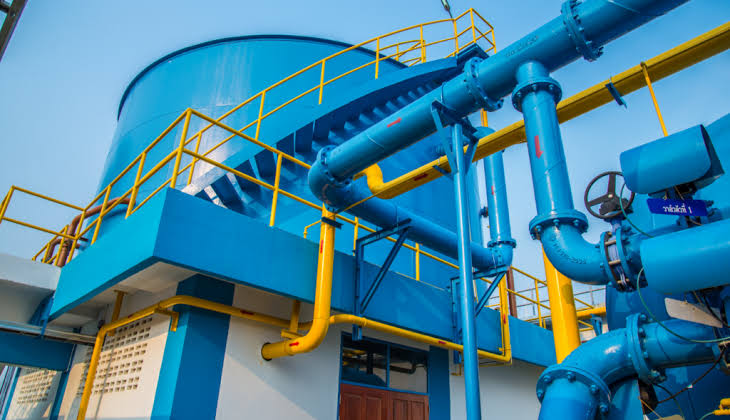
This growth trajectory reflects a powerful convergence of environmental regulation, industrial expansion, and technological innovation. India’s increasing focus on sustainable water management has created a strong foundation for ZLD systems, which are designed to eliminate any liquid waste discharge from industrial processes.
At its core, a Zero Liquid Discharge system ensures that wastewater is fully treated, recycled, and reused within industrial operations, leaving behind only solid waste residues that can be safely handled. This closed-loop approach has become a necessity rather than an option for many industries operating in water-stressed regions of India.
Industries such as energy & power, chemicals, textiles, pharmaceuticals, and food processing are rapidly adopting ZLD systems to comply with strict environmental laws and ensure long-term operational sustainability.
The combination of rising water scarcity, stricter pollution control norms, and rapid industrialization is positioning India as one of the fastest-growing ZLD markets globally.
Request For Sample Copy of Report For More Detailed Market insight: https://www.techsciresearch.com/sample-report.aspx?cid=14772#requestform
Market Introduction and Concept Overview
Zero Liquid Discharge systems represent an advanced wastewater treatment philosophy that eliminates the discharge of industrial effluents into the environment. Unlike conventional treatment methods, ZLD systems are designed to recover nearly all water from wastewater streams.
The process typically involves multiple stages such as:
Pre-treatment and filtration
Reverse Osmosis (RO)
Ultrafiltration
Evaporation and crystallization
Solid waste separation
Through this multi-step process, water is purified and reused, while contaminants are reduced to solid waste.
In India, where water scarcity has become a critical challenge across both urban and industrial regions, ZLD systems are increasingly seen as a long-term strategic investment.
Drivers of the India Zero Liquid Discharge Systems Market
1. Stringent Environmental Regulations
One of the most significant drivers of the ZLD systems market in India is the increasing stringency of environmental regulations. Regulatory authorities such as the Central Pollution Control Board (CPCB) and various State Pollution Control Boards (SPCBs) have imposed strict wastewater discharge norms for industries.
These regulations are aimed at:
Reducing industrial water pollution
Protecting freshwater ecosystems
Ensuring sustainable industrial development
Industries are now mandated to minimize effluent discharge, making ZLD systems essential for compliance.
Additionally, the Ministry of Environment, Forest and Climate Change (MoEFCC) has introduced sector-specific guidelines requiring high-pollution industries like textiles, power generation, and chemicals to adopt ZLD practices.
Non-compliance can result in:
Heavy financial penalties
Operational shutdowns
Legal actions and reputational damage
As a result, industries are increasingly shifting toward ZLD adoption to ensure regulatory alignment.
2. Rising Water Scarcity Across Industrial Regions
India is experiencing increasing water stress due to:
Rapid urbanization
Industrial expansion
Climate variability
Overexploitation of groundwater
Industries are among the largest consumers of freshwater resources. This has created significant pressure on water availability, particularly in industrial clusters.
ZLD systems help industries:
Recycle and reuse water internally
Reduce dependency on freshwater sources
Improve water efficiency
This makes ZLD not only an environmental necessity but also an economic advantage.
3. Industrial Growth and Expansion
India’s manufacturing and industrial sectors are expanding rapidly under initiatives such as “Make in India” and increased foreign direct investment (FDI).
Industries contributing significantly to ZLD demand include:
Power generation plants
Chemical manufacturing units
Textile production facilities
Pharmaceutical manufacturing
Food & beverage processing
As production scales increase, wastewater generation also rises, driving demand for advanced treatment systems like ZLD.
4. Technological Advancements in Water Treatment
Technological innovation has significantly improved the efficiency and affordability of ZLD systems. Key technologies include:
Advanced Reverse Osmosis membranes
High-efficiency Ultrafiltration systems
Thermal evaporation systems
Mechanical vapor recompression
Crystallization technologies
These advancements have:
Reduced operational costs
Improved recovery rates
Enhanced system reliability
As a result, ZLD adoption is becoming more feasible for medium-scale industries as well.
Emerging Trends in the India Zero Liquid Discharge Systems Market
1. Integration of Smart Water Management Systems
A key emerging trend is the integration of digital monitoring and automation systems within ZLD plants. Smart sensors and IoT-enabled devices allow real-time tracking of water quality, flow rates, and system efficiency.
This helps industries:
Optimize energy consumption
Reduce operational downtime
Improve predictive maintenance
2. Hybrid ZLD System Adoption
Industries are increasingly adopting hybrid ZLD systems that combine multiple treatment technologies such as RO, evaporation, and biological treatment.
This approach:
Improves cost efficiency
Enhances water recovery rates
Reduces energy consumption
3. Focus on Energy-Efficient Systems
Energy consumption is one of the major challenges in ZLD systems. Therefore, companies are investing in:
Low-energy membranes
Waste heat recovery systems
Mechanical vapor recompression technologies
This shift is making ZLD more sustainable and cost-effective.
4. Circular Economy Integration
Industries are increasingly viewing wastewater as a resource rather than waste. ZLD systems align with circular economy principles by enabling:
Water reuse
Resource recovery
Waste minimization
This shift is transforming wastewater management into a value-generating process.
End-Use Industry Analysis
Energy & Power Sector Dominance
The Energy & Power sector held the largest market share in 2024 and continues to dominate the ZLD systems market in India.
Thermal power plants are among the highest water-consuming industrial facilities, using large volumes of water for:
Cooling processes
Steam generation
Equipment maintenance
They also generate significant wastewater volumes, making ZLD systems essential for compliance and sustainability.
Key reasons for dominance include:
High water intensity operations
Strict environmental regulations
Large-scale wastewater output
Need for water recycling within plants
Technologies such as evaporation and crystallization are particularly effective in managing high-salinity wastewater generated in power plants.
Regional Analysis
North India: Fastest-Growing Regional Market
North India is emerging as the fastest-growing region in the ZLD systems market due to strong industrial activity and regulatory enforcement.
Key contributing states include:
Uttar Pradesh
Haryana
Punjab
Rajasthan
Industries in this region include textiles, chemicals, pharmaceuticals, and food processing.
Growth drivers include:
Rapid industrialization
High water pollution levels
Strong regulatory enforcement
Increasing environmental awareness
The region is also witnessing improved adoption of advanced water treatment technologies, making ZLD systems more efficient and widely accepted.
Competitive Analysis
Veolia Environnement SA
Aquatech International
Praj Industries
Thermax Limited
Mitsubishi Chemical Group Corporation
Enviro Solutions Limited
Xylem
IDE
Customers can also request 10% free customization on this report.
Market Challenges
Despite strong growth prospects, the market faces several challenges:
High initial capital investment
Energy-intensive operations
Complex system maintenance requirements
Skilled labor shortage
Operational cost concerns for small industries
However, continuous technological improvements are gradually addressing these limitations.
Future Outlook
The future of the India Zero Liquid Discharge Systems Market looks highly promising, driven by a combination of regulatory pressure, industrial expansion, and sustainability goals.
Key future expectations include:
Wider adoption across mid-scale industries
Increased government enforcement of ZLD norms
Rapid technological advancements
Greater integration with renewable energy systems
Expansion of decentralized ZLD units
By 2030, ZLD systems are expected to become a standard requirement in most high-water-consuming industries.
The shift toward sustainable manufacturing practices will further accelerate market expansion.
10 Benefits of the Research Report
Provides in-depth market size and forecast analysis up to 2030
Offers detailed segmentation by industry, technology, and region
Identifies key growth drivers and market opportunities
Highlights emerging trends shaping the industry future
Includes competitive landscape and key player profiling
Supports strategic investment decision-making
Provides regulatory impact analysis on market growth
Assists in identifying high-growth regional markets
Evaluates technological advancements and innovations
Helps stakeholders understand long-term sustainability trends
Conclusion
The India Zero Liquid Discharge Systems Market is undergoing a significant transformation, driven by environmental urgency, regulatory enforcement, and industrial modernization. With water scarcity becoming a critical national concern, industries are increasingly adopting ZLD systems as a long-term sustainable solution.
As technological innovations continue to improve efficiency and reduce operational costs, ZLD systems are expected to become a cornerstone of industrial wastewater management in India. By 2030, the market is poised to evolve into a highly mature, innovation-driven, and sustainability-focused industry.
Contact US:
Techsci Research LLC
420 Lexington Avenue, Suite 300,
New York, United States- 10170
Tel: +13322586602
Email: [email protected]
Web: https://www.techsciresearch.com/
Comments
Log in or sign up to join the conversation.