

According to TechSci Research report, “India Wastewater Treatment Market Report– By Region, Competition, Forecast and Opportunities, 2020-2030F”, India Wastewater Treatment Market was valued at USD 6.67 Billion in 2024 and is expected to reach USD 9.60 Billion by 2030 with a CAGR of 6.10% during the forecast period.
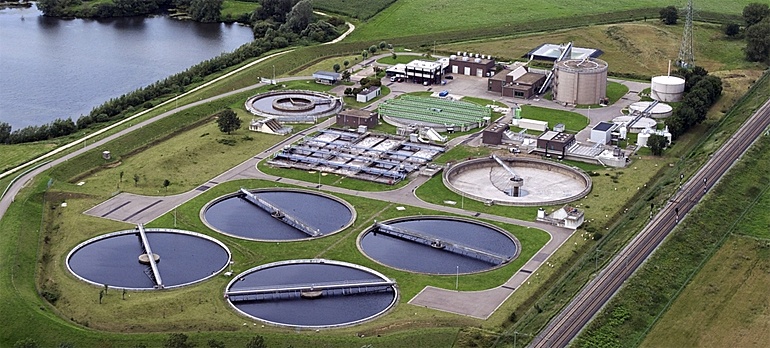
With a population exceeding 1.4 billion and urban centers expanding rapidly, the volume of wastewater generated from residential, commercial, and industrial activities continues to rise. This has created an urgent need for efficient treatment infrastructure capable of managing sewage, industrial effluents, and contaminated water while enabling reuse and recycling. As a result, wastewater treatment is no longer viewed solely as an environmental necessity but also as a strategic investment in public health, industrial productivity, and long-term water security.
Request For Sample Copy of Report For More Detailed Market insight: https://www.techsciresearch.com/sample-report.aspx?cid=14719#requestform
Industry Key Highlights
Market expected to grow from USD 6.67 billion in 2024 to USD 9.60 billion by 2030.
Projected CAGR of 6.10% during the forecast period.
Rapid urbanization and population growth driving wastewater generation.
Secondary treatment remains the dominant process segment.
North India emerging as the fastest-growing regional market.
Strong government support through large-scale sanitation and river-cleaning initiatives.
Increasing adoption of water recycling and reuse practices.
Rising demand for industrial effluent treatment solutions.
Growing deployment of decentralized wastewater treatment systems.
Integration of smart monitoring and automation technologies.
Market Overview
India’s wastewater treatment landscape is evolving rapidly as municipalities and industries invest in modern treatment facilities. Historically, inadequate sewage networks and limited treatment capacity led to the discharge of untreated wastewater into rivers, lakes, and groundwater reserves. However, growing environmental concerns, regulatory enforcement, and public awareness are accelerating investments in sewage treatment plants (STPs), effluent treatment plants (ETPs), and water reuse infrastructure.
The market serves two major application segments:
Municipal wastewater treatment – handling sewage generated by households and urban communities.
Industrial wastewater treatment – treating effluents generated by sectors such as textiles, chemicals, pharmaceuticals, food processing, paper, and power generation.
As water availability becomes increasingly constrained, treated wastewater is gaining recognition as a valuable resource that can be reused for industrial processes, landscaping, agriculture, and non-potable urban applications.
Key Market Drivers
Rapid Urbanization and Population Growth
One of the most powerful drivers of market growth is India’s accelerating urbanization. Millions of people continue migrating to cities in search of employment and better living standards, resulting in higher wastewater generation. Urban centers already account for a substantial share of the country’s sewage output, and this volume is expected to increase significantly over the coming decade.
Many cities are struggling with aging sewage infrastructure that was not designed to handle current population levels. Consequently, municipalities are investing heavily in new treatment plants, sewer networks, and drainage systems to prevent water pollution and improve urban sanitation.
Industrial Expansion
India’s manufacturing and industrial sectors are expanding rapidly under initiatives aimed at boosting domestic production and exports. Industries such as chemicals, textiles, pharmaceuticals, food processing, petrochemicals, and paper manufacturing generate large volumes of wastewater containing organic pollutants, heavy metals, oils, and chemicals.
To comply with environmental regulations and avoid penalties, industries are increasingly adopting advanced treatment technologies, including biological treatment systems, membrane filtration, and zero-liquid discharge solutions.
Water Scarcity and Reuse Requirements
Growing water stress across many Indian states has elevated the importance of wastewater recycling. Industries and municipalities are increasingly treating wastewater for reuse in cooling, cleaning, irrigation, and other non-potable applications. This shift from a “dispose” model to a “reuse and recover” model is creating substantial opportunities for technology providers.
Government Initiatives and Regulatory Support
Government programs focused on sanitation, river rejuvenation, and urban infrastructure development are significantly accelerating market growth. Large-scale investments in sewage treatment facilities, drainage networks, and water conservation projects are creating a favorable environment for wastewater treatment companies.
Emerging Trends in the India Wastewater Treatment Market
Adoption of Smart Wastewater Management
Digital technologies are transforming wastewater operations. Treatment plants are increasingly integrating sensors, IoT devices, cloud-based monitoring, and automation systems that enable real-time tracking of flow rates, water quality, energy consumption, and equipment performance.
These smart systems improve operational efficiency, reduce maintenance costs, and support predictive maintenance strategies.
Growth of Decentralized Treatment Systems
Decentralized wastewater treatment is gaining traction in residential complexes, commercial buildings, industrial parks, and smaller towns. These systems reduce the burden on centralized infrastructure while enabling local water reuse.
Key advantages include:
Lower infrastructure costs
Reduced transmission losses
Faster deployment
Improved water reuse efficiency
Scalability for growing communities
Membrane-Based Technologies
Advanced membrane technologies such as membrane bioreactors (MBR), ultrafiltration (UF), and reverse osmosis (RO) are becoming increasingly popular due to their ability to produce high-quality treated water suitable for reuse.
These technologies are particularly attractive for industries facing stringent discharge norms and water reuse targets.
Resource Recovery from Wastewater
Modern wastewater treatment facilities are increasingly designed to recover valuable resources such as biogas, nutrients, and reusable water. This circular-economy approach helps reduce operating costs while improving sustainability.
Secondary Treatment Dominates the Market
Based on process, secondary treatment accounted for the largest market share and continues to dominate the Indian wastewater treatment market.
Secondary treatment focuses on biological processes that use microorganisms to break down organic pollutants present in wastewater. It is highly effective in reducing biochemical oxygen demand (BOD) and chemical oxygen demand (COD), making it a critical component of both municipal and industrial treatment systems.
Popular secondary treatment technologies include:
Activated sludge process
Sequencing batch reactors (SBR)
Moving bed biofilm reactors (MBBR)
Trickling filters
Oxidation ditches
The dominance of secondary treatment is supported by several factors:
High efficiency in removing organic contaminants.
Compliance with discharge standards.
Cost-effectiveness compared with advanced tertiary treatment.
Scalability for large and small facilities.
Wide applicability across municipal and industrial sectors.
Because of these advantages, secondary treatment remains the backbone of India’s wastewater treatment infrastructure.
Regional Analysis: North India Leads Growth
North India is emerging as the fastest-growing regional market for wastewater treatment solutions.
States such as Uttar Pradesh, Haryana, Punjab, Delhi, Uttarakhand, and Bihar are witnessing rapid urban growth and increasing industrial activity. This has led to a sharp rise in wastewater generation and a growing need for modern treatment infrastructure.
Several factors are driving regional growth:
Expansion of urban populations.
Industrial development.
River-cleaning and pollution-control projects.
Investments in sewage treatment plants.
Water reuse and recycling initiatives.
Upgradation of aging sewage networks.
The region’s focus on improving river water quality and urban sanitation is expected to sustain strong investment momentum throughout the forecast period.
Competitive Analysis
The India wastewater treatment market is characterized by intense competition among global and domestic players. Companies are focusing on technology innovation, project execution capabilities, energy-efficient solutions, and long-term service contracts to strengthen their market position.
Key Competitive Strategies
Veolia Environnement S.A.
SUEZ S.A.
Xylem
A. O. Smith Corporation
Pentair plc
IDEX Corporation
Danaher Corporation
General Electric Company
Customers can also request 10% free customization on this report.
Future Outlook
The future of the India wastewater treatment market appears highly promising as water security becomes a national priority. Continued urbanization, industrialization, and environmental awareness will drive sustained investments in treatment infrastructure.
Key trends expected to shape the market include:
Expansion of wastewater recycling and reuse.
Greater adoption of membrane technologies.
Growth of decentralized treatment systems.
Integration of AI and IoT-based monitoring.
Development of energy-efficient treatment plants.
Increased industrial compliance requirements.
Public-private collaboration in infrastructure development.
As India seeks to balance economic growth with environmental sustainability, wastewater treatment will remain a critical sector supporting public health, industrial productivity, and long-term water resilience.
10 Benefits of the Research Report
Benefits
How this report helps decision-makers
Provides detailed market size and growth forecasts.
Identifies key market drivers and challenges.
Highlights emerging technology trends.
Offers process-wise and application-wise segmentation.
Analyzes regional growth opportunities.
Evaluates competitive positioning of major companies.
Supports strategic investment planning.
Helps identify high-growth market segments.
Provides insights into regulatory developments.
Enables data-driven business decision-making.
Conclusion
India’s wastewater treatment industry is transitioning from a compliance-driven market to a strategic growth sector centered on sustainability, resource recovery, and water security. With rising investments, supportive government policies, technological innovation, and increasing awareness of water conservation, the market is well positioned for robust long-term expansion. Companies that focus on advanced treatment technologies, smart water management, and scalable infrastructure solutions are expected to benefit significantly from the evolving opportunities in the Indian wastewater treatment landscape.
Contact US:
Techsci Research LLC
420 Lexington Avenue, Suite 300,
New York, United States- 10170
Tel: +13322586602
Email: [email protected]
Web: https://www.techsciresearch.com/
Comments
Log in or sign up to join the conversation.