

Industry Key Highlights
The India Telecom Service Market was valued at USD 216.11 billion in 2024.
The market is expected to reach USD 440.65 billion by 2030.
The market is projected to grow at a CAGR of 12.44% during the forecast period.
Increasing smartphone penetration is strengthening demand for mobile voice and data services.
Affordable smartphones and declining mobile-data costs are expanding the digital consumer base.
Small & Medium Enterprises (SMEs) held the largest market share by enterprise size in 2024.
North India is identified as the fastest-growing regional market.
5G deployment is creating opportunities for advanced connectivity and data-intensive applications.
Government-led digital infrastructure programs are supporting telecom expansion in underserved locations.
Growing adoption of mobile payments, cloud services, IoT, e-commerce, and digital platforms is generating additional demand for telecom services.
India Telecom Service Market: Growth, Drivers, Trends, Applications and Competitive Landscape
India’s telecommunications sector is undergoing a major transformation as smartphones, affordable mobile data, expanding broadband infrastructure, and next-generation connectivity reshape how consumers and businesses communicate and access digital services. Telecom networks have evolved beyond traditional voice communication and now serve as the foundation for digital payments, cloud platforms, e-commerce, online education, entertainment, healthcare applications, connected devices, and enterprise technologies.
According to TechSci Research report, “India Telecom Service Market – By Region, Competition, Forecast and Opportunities, 2020-2030F”, India Telecom Service Market was valued at USD 216.11 Billion in 2024 and is expected to reach USD 440.65 Billion by 2030 with a CAGR of 12.44% during the forecast period.
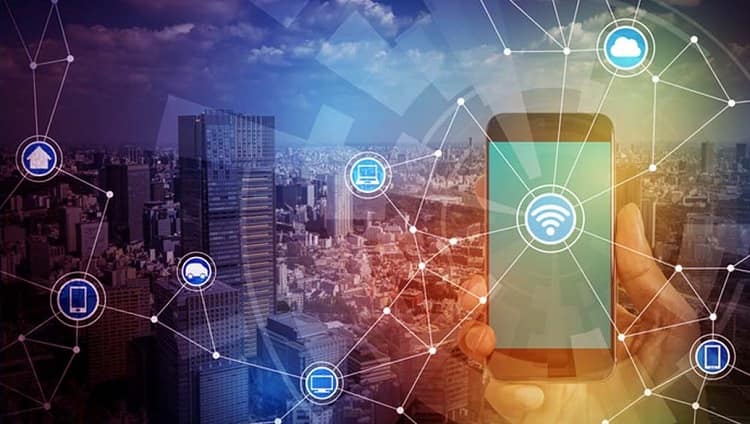
One of the most important factors supporting telecom service adoption is the increasing availability of affordable smartphones. Budget-friendly devices have enabled consumers across different income groups to access mobile internet and digital applications. The growing availability of smartphones compatible with 4G and 5G networks has also encouraged users to shift from basic communication services toward high-speed data consumption.
The declining cost of mobile data has further accelerated this transition. Consumers increasingly depend on mobile connectivity for social media, video streaming, online shopping, digital banking, education, gaming, and professional communication. At the same time, businesses are adopting cloud applications, digital payment systems, remote collaboration tools, and connected technologies that require dependable telecom infrastructure.
The continued expansion of 5G networks is expected to create another important growth cycle. Higher speeds, lower latency, and improved network capacity can support emerging applications such as Internet of Things (IoT), smart infrastructure, connected vehicles, industrial automation, and smart-city technologies.
Request For Sample Copy of Report For More Detailed Market insight
Main Drivers
Rising Smartphone Penetration
Smartphones have become the primary gateway to digital services for millions of Indian consumers. The availability of affordable devices has significantly lowered the barrier to mobile internet adoption. As smartphone ownership increases, users are consuming more data through video platforms, social networks, online marketplaces, digital banking applications, and educational platforms.
The migration toward smartphones with 4G and 5G capabilities is also encouraging consumers to upgrade their connectivity plans, supporting higher-value telecom services.
Declining Mobile Data Costs
Affordable mobile data has fundamentally changed internet consumption patterns in India. Consumers can access large amounts of online content without the high connectivity costs that previously limited usage.
This affordability has encouraged businesses to develop mobile-first services while enabling consumers to use digital platforms for shopping, entertainment, financial transactions, education, and communication.
Expansion of 5G Connectivity
The rollout of 5G networks represents a significant opportunity for the Indian telecom industry. In addition to faster consumer internet, 5G can support industrial IoT, connected vehicles, remote operations, smart-city infrastructure, augmented and virtual reality, and other latency-sensitive applications.
As network coverage expands and compatible devices become more accessible, 5G is expected to encourage both consumer upgrades and enterprise adoption.
Digital Transformation
India’s accelerating digital transformation is increasing dependence on telecommunications infrastructure. Businesses are moving toward cloud computing, online collaboration, digital customer engagement, mobile commerce, and data-driven operations.
Government programs supporting digital inclusion and connectivity are also helping bring internet access to underserved communities, creating opportunities for telecom providers to expand their customer base.
Growth of SMEs
Small and medium-sized businesses are an important source of telecom demand. SMEs increasingly depend on reliable mobile and fixed connectivity for cloud applications, digital marketing, online transactions, customer communication, inventory systems, and remote work.
The availability of affordable business connectivity packages allows smaller companies to access technologies that were previously more common among large enterprises.
Emerging Trends
5G-Enabled Services
The expansion of 5G is shifting the telecom industry toward higher-value connectivity services. Beyond faster mobile internet, the technology can support connected machines, industrial automation, smart infrastructure, immersive digital applications, and real-time communication.
Internet of Things and M2M Connectivity
IoT and Machine-to-Machine (M2M) communication are creating new opportunities for telecom operators. Connected sensors and devices require dependable networks to exchange information continuously.
Applications range from fleet tracking and smart utilities to industrial monitoring, healthcare equipment, agriculture, and connected infrastructure.
Growth of Digital Payments
India’s expanding digital-payment ecosystem is increasing demand for dependable mobile and internet connectivity. Consumers and businesses increasingly use smartphones for transactions, banking, merchant payments, and financial management.
Telecom networks therefore play a critical role in maintaining the availability and speed of digital financial services.
Cloud-Based Business Services
Businesses are increasingly shifting applications, storage, collaboration platforms, and IT infrastructure toward cloud environments. This transition is increasing demand for stable broadband and mobile connectivity.
Telecom operators are also moving beyond traditional connectivity by offering enterprise-focused cloud, security, managed network, and communication services.
Rural Connectivity
Rural connectivity represents a major long-term opportunity. Government-backed infrastructure initiatives, including BharatNet, are helping expand broadband access to previously underserved areas.
Improved rural connectivity can support digital education, telemedicine, e-commerce, financial inclusion, online government services, and agricultural technologies.
Real-World Use Cases
Digital Banking and Financial Services
Mobile networks enable customers to access banking applications, make digital payments, transfer money, and manage financial accounts. Reliable connectivity is particularly important as financial services increasingly move toward mobile-first platforms.
E-Commerce
Telecom infrastructure supports every stage of digital commerce, from browsing and ordering products to digital payments and delivery tracking. Increasing smartphone usage is enabling consumers in both metropolitan and emerging markets to participate in online commerce.
Online Education
Students use mobile and broadband networks to access virtual classrooms, educational videos, digital libraries, and online examinations. Improved connectivity can expand educational opportunities beyond major urban centers.
Healthcare
Telecommunications supports teleconsultations, remote patient monitoring, appointment platforms, digital health records, and healthcare applications. Higher-speed networks can further enhance remote healthcare capabilities.
Enterprise Communication
Businesses use telecom services for video conferencing, cloud applications, messaging, remote work, customer support, and collaboration. SMEs in particular can use affordable connectivity to operate and compete in increasingly digital markets.
Smart Cities and Connected Infrastructure
5G and IoT connectivity can support smart traffic systems, connected public infrastructure, intelligent utilities, surveillance systems, and environmental monitoring. These applications create new opportunities for telecom operators beyond traditional voice and data services.
Competitive Analysis
AT&T Inc.
China Mobile Limited
Deutsche Telekom AG
T-Mobile US, Inc.
China Telecom Corporation Limited
Orange S.A.
Telefónica S.A.
Reliance Jio Infocomm Limited
Customers can also request 10% free customization on this report.
Market Segmentation
The India Telecom Service Market can be segmented based on offering, transmission, enterprise size, and region.
By Offering
Fixed Voice Services: Traditional fixed-line communication continues to serve residential and business requirements, although mobile communication has reduced its relative importance.
Fixed Internet Access Services: Broadband connectivity remains important for households, businesses, institutions, and digital applications requiring stable high-speed internet.
Mobile Voice Services: Mobile voice remains an essential communication service, supported by the country's extensive mobile subscriber base.
Mobile Data Services: Mobile data represents a major growth area as consumers increasingly use smartphones for video, social media, e-commerce, digital payments, gaming, and other online activities.
Pay TV Services: Telecom and digital connectivity providers continue to participate in entertainment ecosystems through television and bundled digital services.
Machine-to-Machine Services: M2M connectivity is gaining importance as enterprises deploy connected devices for monitoring, automation, logistics, utilities, and industrial applications.
By Transmission
Wireline: Wireline connectivity continues to support fixed broadband, enterprise networks, data-intensive applications, and institutional users.
Wireless: Wireless services represent a critical component of India’s telecom ecosystem, supported by extensive mobile networks and the ongoing deployment of 4G and 5G technologies.
By Enterprise Size
Small & Medium Enterprises: SMEs held the largest market share in 2024. Their growing dependence on digital tools, cloud services, e-commerce, online marketing, digital payments, and remote communication is increasing their telecom requirements.
Large Enterprises: Large organizations require high-capacity networks, enterprise connectivity, managed services, cybersecurity, cloud integration, and advanced communication infrastructure.
By Region
North India: North India is the fastest-growing region in the market. Urbanization in cities such as Delhi, Gurgaon, Noida, Chandigarh, and Lucknow is supporting demand for mobile and fixed connectivity.
The region also benefits from increasing smartphone adoption, growing disposable incomes, expanding digital usage, and infrastructure investments. States including Uttar Pradesh, Haryana, Punjab, and Rajasthan represent significant opportunities due to their large populations and growing digital adoption.
Government-backed connectivity initiatives and ongoing network investments are further improving access across urban and rural areas.
Other Regions: Western, Southern, and Eastern India also contribute significantly to market development, supported by diverse industrial bases, technology hubs, expanding enterprises, and increasing consumer digital activity.
Future Outlook
The India Telecom Service Market is positioned for substantial expansion as connectivity becomes increasingly embedded in everyday life and business operations. The market is expected to rise from USD 216.11 billion in 2024 to USD 440.65 billion by 2030, representing a 12.44% CAGR during the forecast period.
Future growth will be influenced by continued smartphone adoption, expanding 5G coverage, rising mobile data consumption, broadband expansion, enterprise digitalization, IoT deployment, and rural connectivity.
Telecom operators are also expected to diversify their revenue streams by offering cloud connectivity, managed services, cybersecurity, IoT solutions, enterprise networks, and other digital services.
As India progresses toward a more connected economy, telecommunications infrastructure will remain an essential foundation for digital commerce, financial inclusion, smart infrastructure, industrial innovation, and consumer services.
Frequently Asked Questions
1. What is the projected size of the India Telecom Service Market?
The India Telecom Service Market was valued at USD 216.11 billion in 2024 and is projected to reach USD 440.65 billion by 2030.
2. What is the expected CAGR of the India Telecom Service Market?
The market is expected to grow at a CAGR of 12.44% during the forecast period.
3. Which enterprise segment held the largest market share in 2024?
Small & Medium Enterprises (SMEs) held the largest market share in 2024, driven by their increasing adoption of digital communication, cloud services, e-commerce, online marketing, and digital payment solutions.
4. Which region is expected to grow fastest in India's telecom service market?
North India is identified as the fastest-growing region, supported by urbanization, smartphone penetration, rising disposable incomes, digital adoption, government connectivity programs, and continued investment in telecom infrastructure.
Contact US:
Techsci Research LLC
420 Lexington Avenue, Suite 300,
New York, United States- 10170
Tel: +13322586602
Email: [email protected]
Comments
Log in or sign up to join the conversation.