

Introduction
According to TechSci Research report, “India Telecom Service Market Trends– By Region, Competition, Forecast and Opportunities, 2020-2030F”, India Telecom Service Market was valued at USD 216.11 Billion in 2024 and is expected to reach USD 440.65 Billion by 2030 with a CAGR of 12.44% during the forecast period.
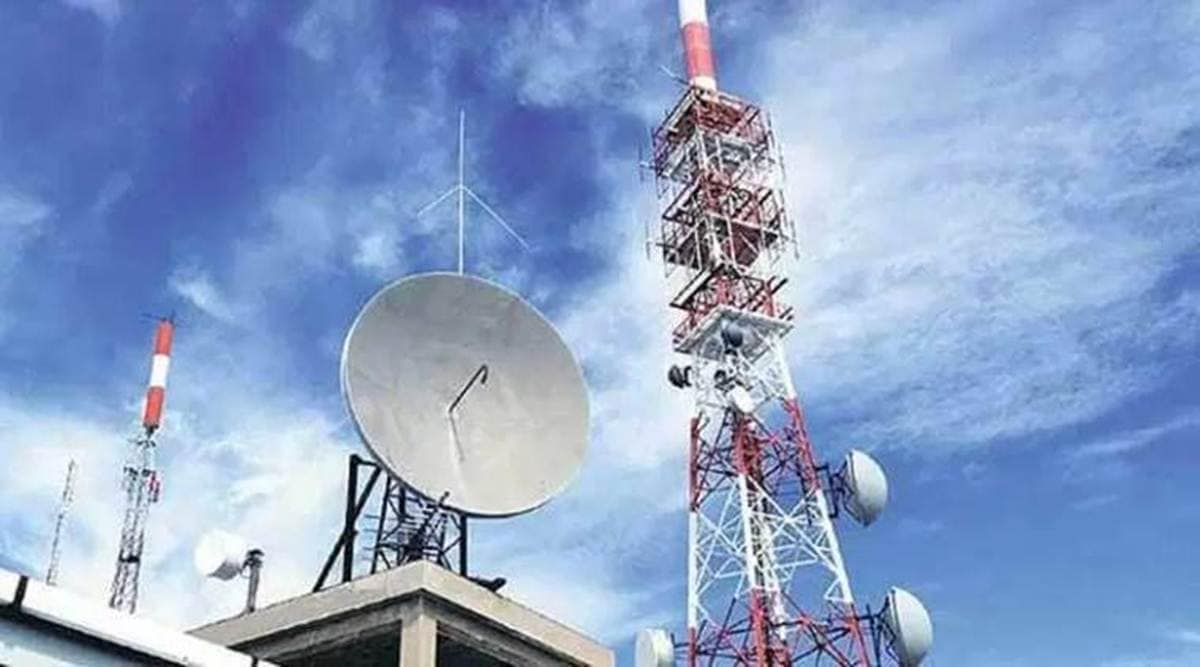
The India Telecom Service Market stands at the heart of the country's digital revolution, serving as the critical infrastructure that powers communication, connectivity, commerce, education, entertainment, and governance. Over the last decade, India has emerged as one of the world's largest telecommunications markets, driven by a rapidly expanding subscriber base, increasing smartphone penetration, affordable data plans, and significant investments in digital infrastructure.
Telecom services have evolved far beyond traditional voice communication. Today, telecom networks support a vast ecosystem of digital services, including mobile internet, cloud computing, digital payments, online education, video streaming, telemedicine, e-commerce, smart city applications, and enterprise solutions. As India continues its journey toward becoming a digitally empowered economy, telecom operators play a central role in enabling access to these services for millions of consumers and businesses.
The market is experiencing unprecedented transformation due to the rollout of 5G technology, increasing broadband adoption, growing enterprise digitalization, and government initiatives aimed at enhancing connectivity across urban and rural regions. The convergence of telecommunications with emerging technologies such as Artificial Intelligence (AI), Internet of Things (IoT), cloud computing, edge computing, and machine-to-machine communication is creating new opportunities for innovation and revenue generation.
Request For Sample Copy of Report For More Detailed Market insight: https://www.techsciresearch.com/sample-report.aspx?cid=27190#requestform
Industry Key Highlights
• Rapid Growth in Smartphone Adoption
The widespread availability of affordable smartphones has significantly expanded access to telecom services across urban and rural India.
• Accelerated 5G Deployment
Telecom operators are investing heavily in next-generation network infrastructure to support high-speed connectivity and emerging digital applications.
• Rising Mobile Data Consumption
India remains one of the world's largest consumers of mobile data, driven by video streaming, social media, gaming, and digital commerce.
• SME-Led Market Expansion
Small and Medium Enterprises continue to be the largest adopters of telecom services due to increasing digitalization and connectivity requirements.
• Growth of Rural Connectivity
Government-led broadband initiatives are expanding telecom access to underserved and remote regions.
• Increasing Demand for Enterprise Solutions
Businesses are adopting advanced telecom services including cloud communications, IoT connectivity, cybersecurity solutions, and managed services.
• Emergence of Smart Cities
Telecom infrastructure is playing a critical role in enabling smart city projects, intelligent transportation systems, and digital governance initiatives.
Key Market Drivers
Expanding Smartphone Penetration
One of the most powerful growth drivers for the India Telecom Service Market is the rapid increase in smartphone ownership.
Affordable devices from domestic and international manufacturers have made smartphones accessible to consumers across income segments. Modern smartphones equipped with 4G and 5G capabilities allow users to access high-speed internet, digital services, and cloud-based applications.
The increasing affordability of devices has significantly contributed to subscriber growth, mobile internet adoption, and overall telecom service consumption.
As smartphone penetration continues to rise, telecom operators are expected to benefit from higher data usage, increased customer engagement, and growing demand for value-added services.
Declining Cost of Mobile Data
India has some of the most affordable mobile data rates globally, which has fueled widespread internet adoption.
Low-cost data plans have encouraged consumers to spend more time online, driving demand for video streaming, social networking, gaming, digital learning, and e-commerce services.
Affordable internet access has also enabled rural populations to participate in the digital economy, creating new opportunities for telecom service providers.
The combination of inexpensive smartphones and affordable data packages continues to be a major catalyst for market expansion.
Increasing Demand for Digital Services
The growing popularity of digital services is creating sustained demand for reliable telecom infrastructure.
Consumers increasingly rely on mobile applications for:
Online banking
Healthcare consultations
E-learning
Entertainment streaming
Food delivery
Ride-hailing services
Social networking
Digital payments
As digital ecosystems continue to expand, telecom networks serve as the foundation enabling these services.
Emerging Trends in the India Telecom Service Market
5G Network Expansion and Commercialization
The rollout of 5G technology represents one of the most transformative developments within the telecom industry.
5G networks offer significantly higher speeds, lower latency, and greater network capacity compared to previous generations.
These capabilities enable innovative applications such as:
Smart cities
Connected vehicles
Industrial automation
Remote healthcare
Augmented Reality
Virtual Reality
Intelligent transportation systems
As telecom operators continue expanding 5G coverage, new business opportunities and revenue streams are expected to emerge.
Growth of Internet of Things (IoT)
IoT adoption is accelerating across industries including manufacturing, healthcare, logistics, agriculture, utilities, and retail.
Connected devices require continuous communication and data exchange, creating substantial demand for telecom connectivity services.
Telecom operators are increasingly developing specialized IoT platforms and machine-to-machine communication solutions to support this growing market.
Rise of Edge Computing
Edge computing is becoming increasingly important as organizations seek faster processing capabilities and reduced latency.
By processing data closer to end users, edge computing improves performance for applications requiring real-time responsiveness.
Telecom companies are investing in edge infrastructure to support emerging technologies and enhance customer experiences.
Growth of Digital Payments and Fintech Services
India's rapidly expanding digital payments ecosystem is driving higher mobile internet usage and increasing telecom service demand.
The widespread adoption of mobile wallets, digital banking platforms, and online financial services relies heavily on reliable telecommunications infrastructure.
As digital financial inclusion expands, telecom operators benefit from increased data consumption and service utilization.
Increasing Adoption of Artificial Intelligence
Artificial intelligence is transforming telecom operations through automation, predictive analytics, customer service optimization, and network management.
AI-powered solutions help operators improve network efficiency, reduce costs, enhance customer experiences, and identify new revenue opportunities.
Competitive Analysis
AT&T Inc.
China Mobile Limited
Deutsche Telekom AG
T-Mobile US, Inc.
China Telecom Corporation Limited
Orange S.A.
Telefónica S.A.
Reliance Jio Infocomm Limited
Customers can also request 10% free customization on this report.
10 Benefits of the Research Report
1. Comprehensive Market Analysis
Provides detailed insights into market dynamics, trends, and growth opportunities.
2. Accurate Market Forecasts
Offers future projections to support strategic planning.
3. Competitive Intelligence
Evaluates key market participants and competitive strategies.
4. Identification of Growth Opportunities
Highlights emerging segments and untapped markets.
5. Regional Market Insights
Provides a detailed understanding of regional growth patterns.
6. Technology Trend Assessment
Analyzes emerging technologies shaping the telecom industry.
7. Investment Planning Support
Helps investors identify attractive market opportunities.
8. Risk Evaluation
Identifies key market challenges and potential risks.
9. Strategic Decision-Making Assistance
Supports business leaders in developing effective growth strategies.
10. Future Industry Perspective
Provides long-term insights into industry evolution and transformation.
Comments
Log in or sign up to join the conversation.