

According to TechSci Research report, “India Tablet PC Market Share – By Region, Competition, Forecast & Opportunities, 2031F, The India Tablet PC Market was valued at USD 5.06 Billion in 2025 and is expected to reach USD 8.31 Billion by 2031 with a CAGR of 8.45% during the forecast period.
Tablets occupy a distinctive position between smartphones and laptops. Their larger displays make them more suitable for activities such as online classes, video streaming, digital reading, gaming, presentations, and document management, while their lightweight design provides greater portability than conventional computers.
The growing digitization of India's education system is one of the strongest factors supporting tablet adoption. Schools, colleges, coaching institutions, and individual learners are increasingly using digital classrooms, e-books, online courses, and interactive educational platforms. Tablets can provide students with convenient access to these resources without requiring a full-sized computer.
Beyond education, tablets are gaining traction among professionals and enterprises. Businesses are deploying them for presentations, virtual meetings, field operations, customer engagement, inventory management, and point-of-sale activities. At the consumer level, demand is being supported by the growing popularity of streaming platforms, gaming, social media, digital shopping, and other screen-intensive applications.
Improvements in processors, displays, battery technology, connectivity, cameras, and stylus functionality are also broadening the range of tasks that tablets can perform. As manufacturers introduce increasingly capable devices across different price categories, tablets are becoming accessible to a wider section of India's population.
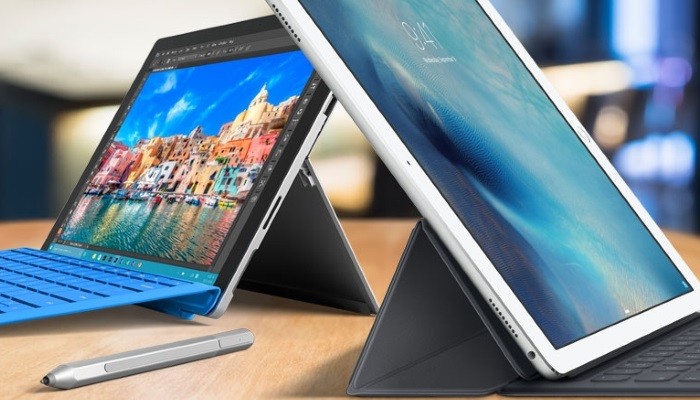
Industry Key Highlights
The India Tablet PC Market was valued at USD 5.06 billion in 2025.
The market is projected to reach USD 8.31 billion by 2031.
The market is expected to grow at a CAGR of 8.45% between 2025 and 2031.
Individual Users held the largest market share based on end-user in 2025.
North India is emerging as the fastest-growing regional market.
Increasing adoption of digital learning is creating substantial demand from students and educational institutions.
Growing 4G and 5G connectivity is improving access to cloud applications, streaming, video conferencing, and online learning.
Businesses are increasingly using tablets for mobile workforce management and productivity.
Hybrid tablet-laptop devices are expanding the functionality and appeal of tablets.
Government-led digital literacy and smart classroom initiatives are creating additional opportunities.
Tier-2 and tier-3 cities represent important future growth markets as digital infrastructure and e-commerce access improve.
Request For Sample Copy of Report For More Detailed Market insight
Main Drivers
Digital Transformation in Education
Education is among the most important demand generators for tablet PCs in India. The increasing use of digital classrooms, online courses, educational applications, virtual lessons, and electronic learning materials has changed how students access information.
Tablets are particularly useful in educational environments because they combine portability with a relatively large screen. Students can attend online classes, read digital textbooks, complete assignments, watch educational videos, and use interactive learning applications from a single device.
The technology is also valuable in locations where conventional computer infrastructure is limited. As educational institutions continue integrating digital tools into teaching, tablets can provide a practical computing option for both learners and educators.
Wider 4G and 5G Connectivity
The expansion of high-speed mobile networks is making tablet PCs more useful for consumers and businesses. Reliable connectivity allows users to access cloud applications, participate in video conferences, stream high-resolution content, use online learning platforms, and collaborate remotely.
Improved network availability across urban, semi-urban, and increasingly smaller markets is reducing barriers to digital device adoption. Tablets that support modern connectivity standards are therefore becoming attractive for users who need portable access to online services.
Increasing Enterprise Mobility
Businesses are increasingly looking for computing devices that can support employees outside conventional office environments. Tablets provide a lightweight solution for sales representatives, field employees, managers, retail workers, hospitality staff, and service personnel.
Organizations can use tablets for presentations, customer interactions, digital documentation, inventory management, virtual meetings, workflow applications, and point-of-sale systems. Enterprise-grade security and software compatibility further increase their relevance in professional environments.
The ability to integrate tablets into existing business applications is particularly important as companies continue adopting cloud-based workflows.
Changing Consumer Preferences
Indian consumers are increasingly looking for devices that combine entertainment and productivity. Smartphones remain essential for communication, but their smaller displays can be less comfortable for extended activities such as watching videos, attending online classes, reading, or working on documents.
Tablets address this gap by offering larger screens while retaining portability. Consumers can use the same device for entertainment, education, shopping, gaming, social media, and basic professional activities.
Manufacturers are responding by offering products across multiple price points, allowing students, professionals, families, and senior users to select devices according to their budgets and requirements.
Government Support for Digital Adoption
Government programs focused on digital literacy, smart classrooms, technology adoption, and e-governance are contributing to the broader development of India's digital ecosystem.
Initiatives supporting technology-enabled education can encourage institutions to procure computing devices in larger quantities. Increased digitization of public services also creates opportunities for portable computing solutions.
These developments can expand the tablet user base while encouraging manufacturers and technology providers to develop devices and services suited to India's diverse market.
Emerging Trends
Hybrid Tablet-Laptop Devices
The distinction between tablets and laptops is becoming less pronounced. Hybrid devices equipped with detachable keyboards, stylus support, desktop-style software, and advanced processors allow users to switch between entertainment and productivity modes.
These products are particularly attractive to students and professionals who want the portability of a tablet while retaining capabilities associated with traditional computers.
Growth of Stylus-Based Computing
Stylus functionality is becoming increasingly important in the tablet market. Digital pens enable users to take handwritten notes, annotate documents, draw, sketch, edit photographs, and interact with educational applications.
For students and creative professionals, stylus-enabled tablets can provide functionality that is difficult to replicate on conventional smartphones.
Improved Display and Processing Performance
Manufacturers are investing in higher-resolution displays, faster processors, improved graphics performance, and longer-lasting batteries. These upgrades are allowing tablets to handle increasingly demanding applications.
Better screens are especially important for video streaming, gaming, digital art, education, and professional presentations, while improved processing capabilities make multitasking smoother.
Expansion of Online Entertainment
Video streaming, mobile gaming, social media, and digital content platforms continue to influence tablet purchasing decisions. The larger screen compared with smartphones makes tablets attractive for consumers who spend significant time consuming multimedia content.
Gaming-oriented tablets and devices with higher-performance hardware are also creating opportunities in the premium segment.
Rising Demand Beyond Major Cities
Tablet adoption is increasingly expanding beyond India's largest metropolitan areas. Tier-2 and tier-3 cities are becoming important markets as internet access, digital education, e-commerce, and consumer awareness improve.
Affordable devices with regional language support and long battery life can be particularly attractive in these markets.
Competitive Analysis
Key market players in the India Tablet PC Market are: -
Samsung India
Lenovo India
Huawei India
Asus India
Dell India
HP India
Micromax Informatics Ltd.
Lava International Ltd.
Acer India
Google (Pixel Tablet)
Customers can also request for 10% free customization on this report.
Segmentation
The India Tablet PC Market can be segmented based on operating system, distribution channel, end-user, and region.
By Operating System
The market is segmented into:
Android
iOS
Windows
Operating systems influence app availability, device compatibility, ecosystem integration, security, and user experience. Android-based devices have broad market relevance because of their extensive device range, while iOS and Windows products appeal to users seeking particular ecosystems or productivity capabilities.
By Distribution Channel
The distribution channels include:
Supermarkets
Independent Retailers
Online Sales
Online sales are becoming increasingly important as consumers become more comfortable purchasing electronics through digital platforms. Online channels also provide broader product selection and enable manufacturers to reach consumers across smaller cities.
Physical retail remains important because customers can examine devices, compare models, and receive assistance before purchasing.
By End-User
The major end-user categories are:
Individual User
Corporate User
Schools & Colleges
Others
Individual Users held the largest market share in 2025. Students, working professionals, technology-oriented consumers, and households are adopting tablets for a combination of education, entertainment, communication, and productivity.
Affordability, portability, larger displays, improved battery life, and advanced features are strengthening demand in this segment.
By Region
The market is segmented into:
North India
South India
East India
West India
North India is emerging as the fastest-growing region in the India Tablet PC Market. Major urban centers such as Delhi, Gurugram, and Noida are contributing to demand through strong adoption of digital education, remote work, online entertainment, and modern workplace technologies.
The expansion of technology retailers, e-commerce platforms, and digital infrastructure in tier-2 cities is further supporting regional growth. Government initiatives focused on digital literacy and smart classrooms are also creating additional opportunities.
FAQ
1. What is the size of the India Tablet PC Market?
The India Tablet PC Market was valued at USD 5.06 billion in 2025 and is projected to reach USD 8.31 billion by 2031.
2. What is the CAGR of the India Tablet PC Market?
The India Tablet PC Market is expected to register a CAGR of 8.45% between 2025 and 2031.
3. Which end-user segment dominates the India Tablet PC Market?
The Individual User segment held the largest market share in 2025. Demand is being supported by students, professionals, and consumers using tablets for digital learning, entertainment, gaming, remote work, and general personal computing.
4. Which region is growing fastest in the India Tablet PC Market?
North India is emerging as the fastest-growing region, supported by demand from Delhi, Gurugram, Noida, and surrounding markets. Digital education, remote work, smart classroom initiatives, e-commerce penetration, and expanding technology infrastructure are contributing to regional growth.
Contact US:
Techsci Research LLC
420 Lexington Avenue, Suite 300,
New York, United States- 10170
Tel: +13322586602
Email: [email protected]
Comments
Log in or sign up to join the conversation.