

Introduction
The India POS Terminal Market is undergoing a major transformation as businesses and consumers increasingly move toward digital, cashless, and contactless transactions. Point-of-sale terminals have evolved from basic card-processing devices into multifunctional business tools capable of supporting payments, inventory management, customer engagement, analytics, and other operational functions.
According to techsci research, the India POS Terminal Market was valued at USD 13.16 billion in 2025 and is projected to reach USD 24.68 billion by 2031, expanding at a CAGR of 10.88% during the forecast period. This growth reflects the increasing penetration of digital payment infrastructure across metropolitan cities, tier-2 and tier-3 markets, and emerging commercial centers.
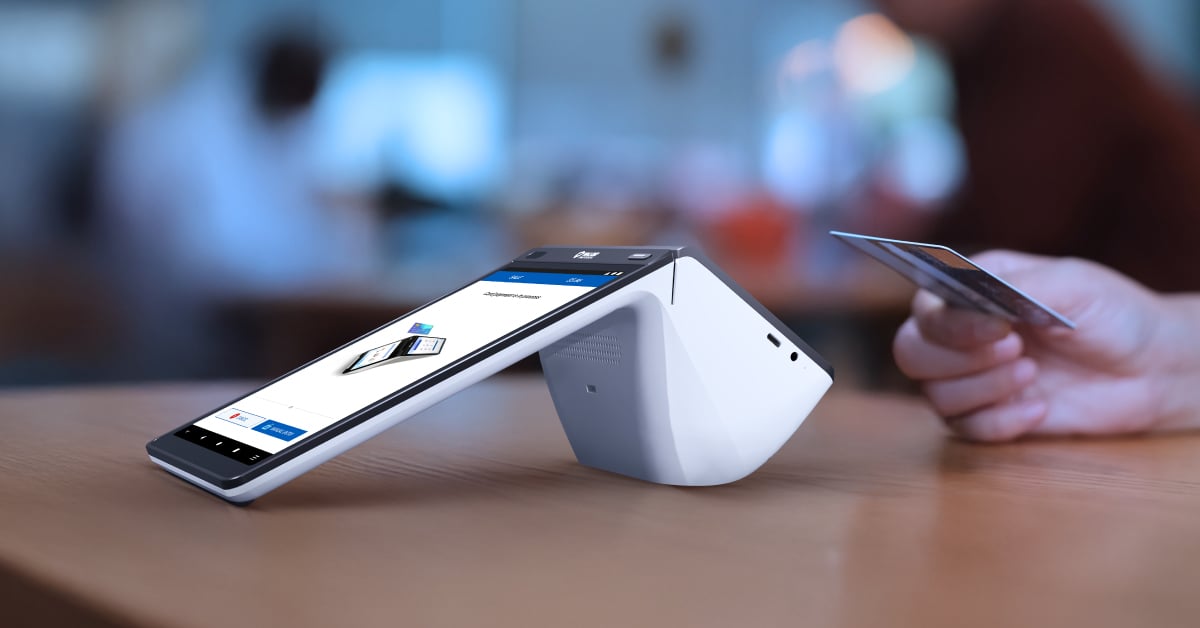
The expansion of UPI, Bharat QR, mobile wallets, contactless cards, and other electronic payment methods has significantly changed how merchants accept and manage transactions. While organized retailers and large enterprises remain important users, POS adoption is increasingly extending to restaurants, entertainment venues, healthcare facilities, hospitality businesses, kirana stores, and small and medium-sized enterprises.
The market is also benefiting from greater smartphone and internet penetration, expanding fintech ecosystems, and the increasing availability of portable and mobile POS solutions. These developments are making digital payment acceptance more accessible to smaller merchants while encouraging established businesses to upgrade their payment infrastructure.
Industry Key Highlights
The India POS Terminal Market reached USD 13.16 billion in 2025.
The market is expected to reach USD 24.68 billion by 2031.
The market is projected to register a 10.88% CAGR during the forecast period.
Digital payment adoption is expanding across urban, semi-urban, and smaller commercial markets.
Contactless, NFC, QR-based, and mobile payment capabilities are becoming increasingly important.
POS terminals are developing into integrated platforms supporting payments, inventory, analytics, and customer engagement.
The Entertainment segment held the largest market share by end-user in 2025.
North India is emerging as the fastest-growing regional market.
Delhi, Gurugram, and Noida are contributing to regional demand through retail, hospitality, entertainment, and technology-driven businesses.
SMEs are increasingly adopting portable and affordable POS solutions to reduce dependence on traditional cash transactions.
Request For Sample Copy of Report For More Detailed Market insight
Main Drivers
Rapid Expansion of Digital Payments
The transition toward digital payments is one of the strongest forces shaping the POS terminal industry in India. Businesses increasingly need payment infrastructure capable of accepting multiple digital transaction methods while maintaining speed and reliability.
The widespread adoption of UPI, QR-based payments, cards, and digital wallets has encouraged merchants to modernize their checkout systems. POS terminals provide a centralized mechanism through which businesses can process transactions while improving billing efficiency and reducing manual cash-handling requirements.
The adoption trend is no longer restricted to large corporations. Smaller retailers, restaurants, local stores, and service providers are increasingly incorporating digital payment technologies into their daily operations.
Rising Demand for Contactless Transactions
Consumer expectations around payment convenience have changed significantly. Customers increasingly prefer quick transactions that require minimal physical interaction.
Modern POS terminals equipped with NFC, contactless card capabilities, QR payments, and mobile-wallet compatibility enable merchants to accommodate these preferences. Faster checkout can also help businesses manage queues during periods of high customer traffic.
The continued popularity of smartphones is reinforcing this trend, as consumers increasingly use mobile devices as part of their everyday payment experience.
Growing Organized Retail and Digital Commerce
India's expanding organized retail sector is creating additional demand for sophisticated POS infrastructure. Supermarkets, convenience stores, department stores, and retail chains require systems that can process substantial transaction volumes while connecting payments with other business operations.
Omnichannel commerce is also changing POS requirements. Retailers increasingly need to connect physical stores with online platforms so customers can move smoothly between digital and physical shopping experiences.
As retailers pursue unified customer journeys, POS terminals are becoming an important component of broader commerce-management systems rather than standalone payment devices.
Increasing POS Functionality
Another important growth factor is the expanding functionality of POS platforms. Businesses can increasingly use POS systems to connect payment processing with inventory monitoring, customer loyalty programs, sales reporting, and customer analytics.
Real-time transaction information can help businesses understand purchasing patterns, monitor product movement, and make faster operational decisions. Loyalty functionality can also support personalized offers and rewards, providing additional value beyond payment acceptance.
Government and Financial-Inclusion Initiatives
Government-led digitalization and financial-inclusion efforts are supporting the development of India's electronic payment ecosystem. Greater availability of banking and digital payment infrastructure is helping bring more merchants and consumers into formal digital commerce.
The expansion of payment acceptance infrastructure beyond major metropolitan markets is particularly important for POS providers. Semi-urban and rural markets offer opportunities as merchants gradually transition from predominantly cash-based transactions toward digital alternatives.
Smartphone, Internet, and Fintech Penetration
The growth of smartphones, affordable internet connectivity, and fintech services is creating favorable conditions for POS adoption. Mobile and portable POS systems can reduce the infrastructure requirements associated with traditional payment terminals.
This is particularly relevant for smaller merchants and businesses operating in tier-2 and tier-3 cities. Lower hardware requirements and increasingly flexible payment solutions can make digital acceptance more accessible to businesses with limited resources.
Emerging Trends
Mobile and Portable POS Solutions
Portable POS terminals are gaining importance because they allow transactions to be completed at different locations within a business. Restaurants, hospitality establishments, delivery-oriented businesses, and event venues can benefit from greater payment flexibility.
Integration of POS With Business Management
POS systems are increasingly being integrated with inventory, accounting, customer relationship management, and analytics platforms. This convergence enables businesses to use transaction data for broader operational planning.
Omnichannel Payment Experiences
The distinction between online and offline commerce is becoming less pronounced. Retailers and entertainment operators are connecting websites, mobile applications, booking platforms, and physical POS systems to provide customers with consistent payment experiences across channels.
Advanced Customer Analytics
Transaction data is becoming increasingly valuable. Businesses can analyze purchasing patterns, transaction frequency, preferred products, and customer behavior to support promotional planning and loyalty initiatives.
Greater Focus on Payment Security
As digital transaction volumes increase, merchants are paying greater attention to secure payment processing. POS providers are therefore focusing on technologies and configurations designed to protect transaction information while maintaining convenient checkout experiences.
Real-World Use Cases
Entertainment
The Entertainment segment held the largest market share in 2025, supported by increasing digitalization across multiplexes, cinemas, amusement parks, gaming centers, and other recreational facilities.
Entertainment venues often experience high transaction volumes within short periods, particularly during weekends, holidays, and popular events. POS terminals help operators process payments faster while supporting ticketing, concessions, memberships, loyalty programs, and reporting.
For multiplexes, for example, POS systems can connect ticket sales with food and beverage transactions and loyalty programs. Gaming centers and amusement parks can similarly use POS infrastructure to manage payments and customer transactions across multiple service points.
Retail
Retail businesses use POS terminals for payment acceptance as well as sales monitoring and inventory management. Large retailers require scalable systems capable of handling high transaction volumes, while smaller stores can use portable POS devices to offer convenient payment options.
Hospitality
Hotels, restaurants, cafés, and other hospitality businesses require flexible payment infrastructure for different customer touchpoints. Portable POS systems can allow staff to process transactions at tables, counters, rooms, or other service locations.
Healthcare
Healthcare providers can use POS solutions to facilitate payments for consultations, treatments, pharmacy purchases, and other services. Integration with billing systems can help streamline administrative processes.
Small and Medium-Sized Businesses
SMEs represent an important opportunity because many businesses are moving away from cash-dependent payment models. Affordable and mobile POS solutions allow smaller merchants to accept digital payments without investing heavily in complex infrastructure.
Competitive Analysis
Ingenico Group
PAX Technology
Verifone Systems Inc.
Samsung Electronics India
ITZ Cash Card Ltd.
Mswipe Technologies Pvt. Ltd.
Paytm Payments Bank
First Data India Pvt. Ltd.
Oxigen Services India Pvt. Ltd.
Infinite Peripherals India
Customers can also request for 10% free customization on this report.
Segmentation
The India POS Terminal Market can be segmented based on component, type, end-user, and region.
By Component
Hardware
Software
Service
Hardware includes the physical terminal and related equipment, while software and services support payment processing, system management, integration, analytics, maintenance, and other functions.
By Type
Fixed Point of Sale Terminals
Mobile/Portable Point of Sale Terminals
Fixed terminals remain relevant for conventional checkout environments, while mobile and portable devices provide greater flexibility for restaurants, hospitality, events, and smaller merchants.
By End-User
Entertainment
Hospitality
Healthcare
Retail
Others
The Entertainment segment accounted for the largest share in 2025, supported by the modernization of payment infrastructure across cinemas, multiplexes, gaming centers, amusement facilities, and other entertainment venues.
By Region
North India
South India
West India
East India
Frequently Asked Questions
1. What is the size of the India POS Terminal Market?
The India POS Terminal Market was valued at USD 13.16 billion in 2025 and is projected to reach USD 24.68 billion by 2031.
2. What is the expected CAGR of the India POS Terminal Market?
The market is projected to expand at a CAGR of 10.88% during the forecast period.
3. Which end-user segment held the largest share of the India POS Terminal Market in 2025?
The Entertainment segment held the largest market share in 2025, driven by increasing adoption across multiplexes, cinemas, amusement parks, gaming centers, and other recreational venues.
4. Which region is emerging as the fastest-growing market for POS terminals in India?
North India is emerging as the fastest-growing region, supported by digital payment adoption and increasing demand from retail, restaurants, SMEs, technology businesses, and entertainment venues in markets including Delhi, Gurugram, and Noida.
Contact US:
Techsci Research LLC
420 Lexington Avenue, Suite 300,
New York, United States- 10170
Tel: +13322586602
Email: [email protected]
Comments
Log in or sign up to join the conversation.