

Introduction
According to TechSci Research report, “PCB Market Size in India – By Region, Competition, Forecast and Opportunities, 2021-2031F”, India PCB (Printed Circuit Board) Market was valued at USD 5.23 Billion in 2025 and is expected to reach USD 8.27 Billion by 2031 with a CAGR of 7.94% during the forecast period.
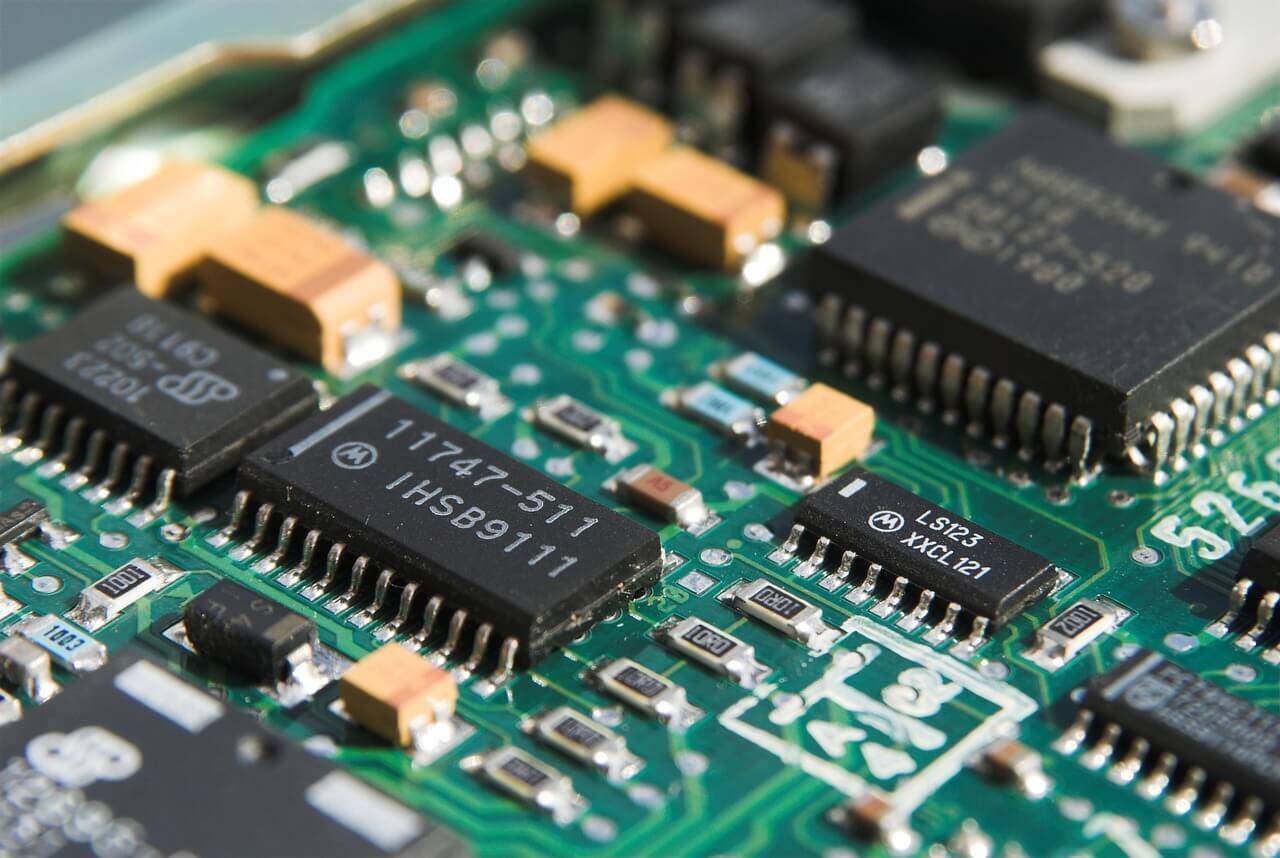
India's electronics manufacturing industry is entering a transformative phase, creating unprecedented opportunities for the Printed Circuit Board (PCB) market. As the backbone of virtually every electronic device, PCBs have become indispensable across consumer electronics, automotive systems, telecommunications, industrial automation, healthcare equipment, renewable energy, and defense applications. With increasing government support, expanding domestic manufacturing capabilities, and rising investments in high-value electronics production, India is steadily positioning itself as a global electronics manufacturing hub.
The country's ambitious initiatives such as Make in India, Digital India, and the Production-Linked Incentive (PLI) Scheme are encouraging both domestic and international manufacturers to establish local production facilities. Simultaneously, supply chain diversification across the global electronics industry is directing new investments toward India, significantly boosting demand for high-quality PCB manufacturing.
As demand shifts toward sophisticated electronic products requiring multilayer, flexible, and high-density PCBs, manufacturers are investing in advanced production capabilities that support next-generation technologies and strengthen India's position in the global electronics ecosystem.
Request For Sample Copy of Report For More Detailed Market insight
Industry Key Highlights
Market valued at USD 5.23 Billion in 2025
Expected to reach USD 8.27 Billion by 2031
Forecast CAGR of 7.94%
Government initiatives accelerating domestic PCB production
IT & Telecom emerging as the fastest-growing application segment
North India becoming the fastest-growing regional market
Rising demand from electric vehicles and renewable energy sectors
High-Density Interconnect (HDI) PCBs witnessing increasing adoption
Expansion of electronics manufacturing under PLI schemes
Growing investments in semiconductor and electronics ecosystems
Increasing localization reducing dependence on imported PCBs
Market Overview
Printed Circuit Boards serve as the foundation of modern electronic systems by providing electrical connectivity between components while ensuring reliability, durability, and performance. As electronic devices become increasingly compact and technologically sophisticated, PCB designs continue evolving to accommodate higher processing speeds, improved thermal management, and greater circuit density.
India's PCB market is benefiting from rapid expansion across multiple industries including smartphones, laptops, consumer electronics, automotive electronics, telecommunications infrastructure, industrial automation, medical devices, and renewable energy systems.
Government incentives aimed at strengthening domestic manufacturing have encouraged electronics companies to establish production facilities within the country. This localization effort not only reduces import dependence but also enhances supply chain resilience and creates opportunities for local PCB manufacturers to expand production capabilities.
Manufacturers are increasingly focusing on advanced PCB technologies such as multilayer boards, flexible circuits, rigid-flex designs, HDI boards, and radio-frequency PCBs that support next-generation communication systems and intelligent electronic devices.
As India's electronics exports continue growing, PCB manufacturers are expected to benefit from sustained demand across both domestic and international markets.
Key Drivers
Government Support for Electronics Manufacturing
One of the primary drivers of India's PCB market is strong government support through initiatives designed to strengthen the domestic electronics manufacturing ecosystem.
Programs including Make in India, Digital India, the Production-Linked Incentive (PLI) Scheme, and Electronics Manufacturing Clusters (EMC) encourage companies to establish local manufacturing operations, reduce imports, and improve technological capabilities.
These initiatives are attracting significant foreign direct investment while creating a favorable environment for PCB manufacturers.
Rising Demand Across Emerging Industries
The adoption of advanced technologies is expanding PCB applications beyond traditional consumer electronics.
Electric vehicles require high-performance PCBs capable of managing battery systems, motor controllers, charging infrastructure, and power electronics.
Renewable energy systems—including solar inverters and smart meters—depend on multilayer PCBs with excellent thermal performance and operational reliability.
Industrial automation solutions such as robotics, programmable logic controllers (PLCs), and intelligent sensor networks also require highly durable industrial-grade PCBs designed for demanding operating environments.
Meanwhile, India's expanding healthcare industry is increasing demand for medical-grade PCBs used in diagnostic equipment, patient monitoring systems, imaging devices, and telemedicine solutions.
Growth of IT and Telecom Infrastructure
India's digital transformation continues creating substantial demand for advanced telecommunications equipment.
The nationwide rollout of 5G networks, increasing broadband penetration, expansion of cloud computing infrastructure, and rapid growth in data centers are driving demand for sophisticated PCBs used in servers, routers, switches, communication modules, and networking equipment.
The IT & Telecom segment has therefore emerged as the fastest-growing application area within the Indian PCB market.
Emerging Trends
High-Density Interconnect (HDI) Technology
Manufacturers are increasingly investing in HDI PCB production to support compact electronic devices with enhanced performance.
HDI technology enables greater circuit density, improved electrical performance, and reduced product size, making it ideal for smartphones, wearables, telecommunications equipment, automotive electronics, and industrial automation systems.
Flexible and Rigid-Flex PCBs
Flexible electronics continue gaining popularity across healthcare, automotive, aerospace, and consumer electronics applications.
Flexible PCBs offer significant advantages including reduced weight, improved durability, enhanced design flexibility, and space optimization.
Rigid-flex technologies further combine mechanical stability with design versatility, enabling manufacturers to produce increasingly compact electronic products.
Smart Manufacturing
PCB manufacturers are embracing Industry 4.0 technologies including automation, artificial intelligence, robotics, machine vision, and predictive maintenance.
Smart factories improve production quality, reduce manufacturing defects, minimize operational costs, and enhance overall productivity while supporting higher manufacturing volumes.
Sustainable Manufacturing Practices
Environmental sustainability is becoming increasingly important within PCB manufacturing.
Companies are investing in environmentally responsible production methods, efficient waste management systems, water recycling technologies, and energy-efficient manufacturing processes to comply with evolving environmental standards while reducing operational costs.
Real-World Use Cases
Electric Vehicles Accelerating Advanced PCB Demand
India's rapidly expanding electric vehicle (EV) ecosystem has become one of the most significant growth areas for PCB manufacturers. Modern EVs require highly specialized printed circuit boards for battery management systems, motor controllers, charging units, power distribution modules, infotainment systems, and advanced driver assistance technologies. These applications demand high-current, thermally efficient PCBs capable of delivering exceptional performance and long operational life. As EV production continues to increase, PCB manufacturers are investing in advanced board technologies to meet evolving automotive standards.
Renewable Energy Infrastructure
The country's transition toward clean energy is creating new opportunities for PCB suppliers. Solar inverters, smart meters, battery energy storage systems, and wind power controllers all depend on durable multilayer PCBs designed for continuous operation under demanding environmental conditions. Intelligent energy monitoring systems also require reliable electronic circuitry to support real-time data collection and grid management, making PCB technology an essential component of India's renewable energy ecosystem.
Industrial Automation and Smart Manufacturing
Industries across India are adopting automation technologies to improve productivity and operational efficiency. Robotic systems, programmable logic controllers (PLCs), industrial sensors, automated production lines, and machine control systems require rugged PCBs capable of operating in challenging industrial environments. Manufacturers are increasingly choosing high-quality industrial-grade boards that offer improved durability, vibration resistance, and thermal stability for uninterrupted operations.
Healthcare and Medical Electronics
India's healthcare sector is embracing advanced medical devices ranging from diagnostic equipment and patient monitoring systems to imaging technologies and portable healthcare solutions. Medical electronics require highly reliable PCBs manufactured under stringent quality standards to ensure precision and patient safety. The growing adoption of telemedicine, wearable health devices, and digital diagnostics continues to expand opportunities for specialized medical-grade PCB production.
IT and Telecom Infrastructure
The IT & Telecom segment has emerged as the fastest-growing application segment in the India PCB Market. The nationwide deployment of 5G infrastructure, rapid expansion of broadband connectivity, increasing investments in cloud computing, and growing demand for networking equipment are significantly boosting the consumption of high-frequency, multilayer, and High-Density Interconnect (HDI) PCBs. As India strengthens its digital infrastructure, this segment is expected to remain a key contributor to long-term market growth.
Competitive Analysis
AT&S India Pvt. Ltd.
Shogini Technoarts Pvt. Ltd.
Genus Electrotech Ltd.
CIPSA-TEC India Pvt. Ltd.
Epitome Components Ltd.
Fine-Line Circuits Ltd.
Meena Circuits Pvt. Ltd.
Ascent Circuits Pvt. Ltd.
Customers can also request 10% free customization on this report.
Future Outlook
The outlook for the India PCB Market remains highly positive as the country strengthens its position as a global electronics manufacturing destination. Continued government support, increasing localization of electronic component production, expanding semiconductor investments, and rising domestic consumption will create favorable conditions for sustained market growth.
The IT & Telecom sector is expected to remain one of the strongest demand generators as 5G deployment, cloud infrastructure, and digital transformation initiatives continue expanding across the country. At the same time, the rapid adoption of electric vehicles, renewable energy systems, industrial automation, and smart consumer electronics will further diversify PCB demand.
Manufacturers are expected to increase investments in advanced technologies such as High-Density Interconnect (HDI) boards, flexible circuits, radio-frequency PCBs, and intelligent manufacturing systems to meet evolving industry requirements. Automation and Industry 4.0 practices will improve manufacturing precision, reduce production costs, and enhance global competitiveness.
Regionally, North India is expected to maintain its strong growth momentum due to expanding electronics manufacturing clusters in Uttar Pradesh, Haryana, and the Delhi-NCR region. Industrial corridors, improved logistics infrastructure, skilled workforce availability, and continued policy support will encourage additional investments in PCB manufacturing facilities.
As India advances toward becoming a global electronics manufacturing powerhouse, the PCB industry will play a pivotal role in supporting innovation, supply chain resilience, and high-value manufacturing.
10 Benefits of This Research Report
Provides comprehensive insights into the current and future India PCB Market landscape.
Delivers accurate market size estimates and long-term growth forecasts.
Examines major growth drivers influencing PCB demand across industries.
Identifies emerging technology trends including HDI, flexible circuits, and advanced manufacturing.
Offers detailed application-wise and regional market analysis.
Profiles leading market participants and evaluates the competitive environment.
Highlights investment opportunities arising from government initiatives and localization strategies.
Explores opportunities across automotive, telecom, healthcare, renewable energy, and industrial automation sectors.
Supports strategic business planning with actionable market intelligence.
Helps manufacturers, investors, suppliers, and policymakers make informed business decisions through comprehensive industry analysis.
Conclusion
The India PCB (Printed Circuit Board) Market is entering a period of sustained expansion, supported by strong government initiatives, increasing domestic electronics manufacturing, and rising demand across multiple high-growth industries. As technologies such as electric vehicles, renewable energy, industrial automation, healthcare electronics, and next-generation telecommunications continue to evolve, the importance of advanced PCB manufacturing will become even more significant.
With the market projected to grow from USD 5.23 Billion in 2025 to USD 8.27 Billion by 2031, at a CAGR of 7.94%, India offers substantial opportunities for manufacturers, technology providers, and investors seeking to participate in one of the world's fastest-growing electronics ecosystems. Continued investments in advanced PCB technologies, smart manufacturing, research and development, and domestic production capabilities will strengthen the country's competitiveness in global electronics supply chains.
Looking ahead, the combination of policy support, infrastructure development, expanding electronics exports, and technological innovation will position India's PCB industry as a key pillar of the nation's digital and industrial transformation, enabling long-term sustainable growth and creating new opportunities across the entire electronics value chain.
Contact US:
Techsci Research LLC
420 Lexington Avenue, Suite 300,
New York, United States- 10170
Tel: +13322586602
Email: [email protected]
Web: https://www.techsciresearch.com/
Comments
Log in or sign up to join the conversation.