

Introduction
According to TechSci Research report, “India Oil & Gas Rigs Market Report- By Region, Competition, Forecast and Opportunities 2020-2030F”, India Oil & Gas Rigs Market was valued at USD 6142 Million in 2024 and is expected to reach at USD 8163.59 Million in 2030 and project robust growth in the forecast period with a CAGR of 4.7% through 2030.
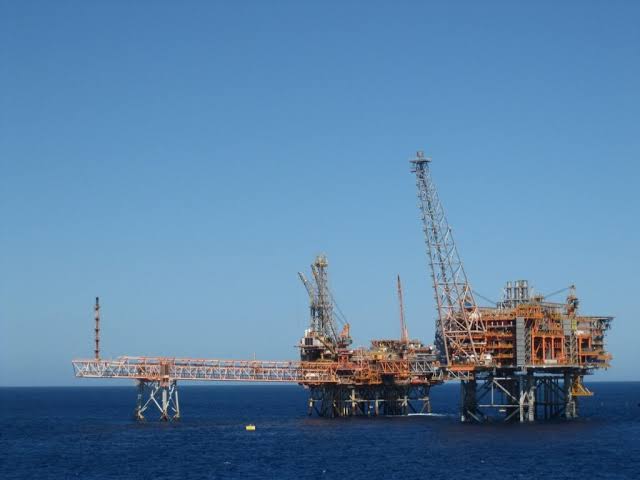
India’s energy sector is undergoing a significant transformation as the country strives to strengthen energy security, reduce dependence on imported crude oil, and increase domestic hydrocarbon production. At the center of this transformation lies the oil and gas rigs market, which provides the essential drilling infrastructure required for exploration, development, and production activities. As investments in upstream projects continue to rise, the demand for technologically advanced drilling rigs is steadily increasing across both onshore and offshore locations.
Growing industrialization, urbanization, and rising energy consumption have encouraged both government agencies and private companies to expand exploration activities. Modern drilling technologies are enabling operators to access previously challenging reserves while improving operational efficiency, safety, and environmental performance. Innovations such as directional drilling, horizontal drilling, digital monitoring systems, and automated rig operations are reshaping the industry's future.
Request For Sample Copy of Report For More Detailed Market insight
Industry Key Highlights
Market valued at USD 6,142 Million in 2024
Expected to reach USD 8,163.59 Million by 2030
Forecast CAGR of 4.7%
Onshore drilling remains the dominant market segment
Southern India emerges as the fastest-growing regional market
Rising adoption of digital drilling technologies
Growing investments in domestic oil and gas exploration
Increasing focus on automation and operational safety
Expansion of natural gas infrastructure supporting market growth
Strong government emphasis on enhancing domestic energy production
Market Overview
India's oil and gas rigs market forms the foundation of the country's upstream energy industry. Drilling rigs are essential for exploring new hydrocarbon reserves, developing producing fields, and maintaining existing wells. As India's energy demand continues to grow, operators are investing in modern rigs capable of delivering higher efficiency, greater precision, and lower environmental impact.
The market is benefiting from continuous improvements in drilling technologies, allowing companies to maximize production while minimizing operational risks. Advanced rigs equipped with automated controls, real-time monitoring systems, and intelligent drilling software are becoming increasingly common across exploration projects.
In addition to conventional oil exploration, increasing investments in natural gas development are creating new opportunities for drilling contractors and equipment manufacturers. Natural gas is gaining greater importance as a cleaner transition fuel, encouraging the development of new gas fields and supporting infrastructure.
Digital transformation is also changing how drilling operations are managed. Artificial intelligence, Internet of Things (IoT), cloud computing, predictive maintenance, and advanced analytics are enabling operators to optimize drilling performance, reduce downtime, and improve decision-making.
As companies continue modernizing their operations and expanding exploration activities, the India Oil & Gas Rigs Market is expected to witness stable long-term growth supported by technological innovation and favorable policy initiatives.
Key Drivers
Technological Advancements in Drilling
Technology remains one of the strongest growth drivers for the India Oil & Gas Rigs Market. Innovations such as horizontal drilling, hydraulic fracturing, advanced seismic imaging, and directional drilling have significantly improved exploration success rates while reducing operational costs.
Modern drilling systems allow operators to reach previously inaccessible hydrocarbon reserves, improving production efficiency and project profitability.
Government Focus on Energy Security
India continues to prioritize domestic oil and gas production to reduce dependence on imported energy resources.
Government policies encouraging exploration, licensing reforms, infrastructure development, and investment incentives are creating favorable conditions for drilling activities across multiple regions.
Automation and Digitalization
Automation is transforming drilling operations by improving precision, reducing manual intervention, and enhancing workplace safety.
Digital technologies including IoT sensors, predictive analytics, cloud platforms, and machine learning algorithms enable operators to monitor equipment performance in real time, optimize drilling parameters, and minimize operational disruptions.
Rising Demand for Natural Gas
Natural gas is increasingly being adopted as a cleaner alternative to conventional fossil fuels across power generation, manufacturing, transportation, and commercial sectors.
The expansion of gas infrastructure, LNG terminals, and pipeline networks is encouraging exploration activities, creating additional demand for drilling rigs.
Infrastructure Development
The development of transportation networks, pipelines, storage facilities, and supporting infrastructure continues to strengthen India's upstream oil and gas ecosystem.
Improved logistics reduce operational challenges while enhancing project execution efficiency across exploration sites.
Emerging Trends
The India Oil & Gas Rigs Market is witnessing rapid technological evolution as companies embrace smarter, safer, and more sustainable drilling operations.
One of the most significant trends is the increasing deployment of intelligent drilling rigs equipped with real-time monitoring systems. These technologies enable operators to continuously evaluate drilling conditions, optimize performance, and reduce non-productive time.
Artificial intelligence is becoming an important component of drilling operations. AI-powered software analyzes geological data, predicts drilling outcomes, identifies equipment failures before they occur, and supports faster operational decision-making.
Remote monitoring centers are also gaining popularity. Engineers can supervise drilling activities from centralized control rooms, improving safety while reducing operational costs.
Environmental sustainability is becoming an increasingly important consideration across the industry. Companies are investing in technologies that minimize emissions, reduce fuel consumption, improve waste management, and lower the environmental footprint of drilling operations.
Another emerging trend is the growing adoption of advanced directional drilling techniques that maximize hydrocarbon recovery while minimizing surface disturbance. These methods improve reservoir access and increase production efficiency.
The market is also experiencing greater collaboration between domestic energy companies and international technology providers. Such partnerships accelerate technology transfer, improve drilling capabilities, and strengthen India's competitiveness in the global energy sector.
Furthermore, digital twin technology, predictive maintenance, automated pipe handling systems, and advanced drilling analytics are expected to become increasingly common as operators seek higher productivity and improved asset utilization.
Comments
Log in or sign up to join the conversation.