

Industry Key Highlights
The India Metaverse Market was valued at USD 11.20 billion in 2024.
The market is expected to reach USD 18.20 billion by 2030.
The market is forecast to expand at a CAGR of 8.27% from 2025 to 2030.
Gaming held the largest share by application in 2024.
North India is emerging as the fastest-growing regional market.
VR, AR, AI, Mixed Reality, and blockchain are shaping the technological foundation of the industry.
Increasing smartphone penetration and better internet connectivity are supporting wider consumer access.
Major opportunities are emerging in virtual gaming, e-commerce, digital assets, virtual real estate, social platforms, and virtual workplaces.
A large population of digitally active and tech-savvy consumers is creating a strong addressable market for immersive experiences.
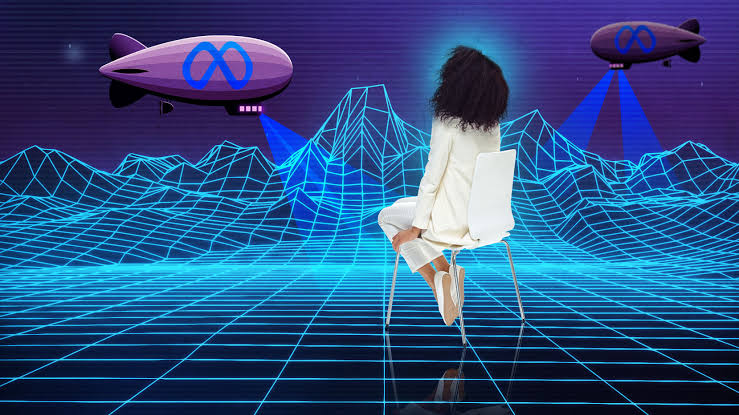
India Metaverse Market: Growth, Trends, Drivers, Applications and Future Outlook
According to TechSci Research report, “India Metaverse Market – By Region, Competition, Forecast and Opportunities, 2020-2030F”, India Metaverse Market was valued at USD 11.20 Billion in 2024 and is expected to reach USD 18.20 Billion by 2030 with a CAGR of 8.27% during the forecast period.This growth reflects increasing interest in virtual environments that combine digital interaction, entertainment, commerce, communication, and business collaboration.
India’s large digital consumer base gives the Metaverse ecosystem a strong foundation. The rapid adoption of smartphones, expanding high-speed internet availability, growing digital literacy, and a young technology-oriented population are encouraging consumers and businesses to explore immersive digital experiences. At the same time, developments in Virtual Reality (VR), Augmented Reality (AR), Artificial Intelligence (AI), Mixed Reality (MR), and blockchain are improving the capabilities of virtual platforms.
The Metaverse is no longer limited to futuristic entertainment concepts. Its applications are expanding into gaming, online shopping, content creation, social networking, education, corporate collaboration, digital assets, and virtual events. As hardware becomes more accessible and software platforms become increasingly sophisticated, India is positioned to develop a broader and more commercially viable Metaverse ecosystem.
Main Drivers
Rapid Advancement of VR, AR and AI
Technological innovation remains one of the strongest forces behind Metaverse development in India. VR headsets, AR devices, motion sensors, spatial computing technologies, and advanced graphics engines are enabling users to interact with digital environments in increasingly realistic ways.
The declining cost of immersive hardware is particularly important for India. As VR and AR devices become more affordable, access is gradually moving beyond technology enthusiasts and specialized users. This creates opportunities for mainstream adoption across entertainment, education, retail, and professional applications.
AI is also transforming how users interact within virtual environments. Intelligent virtual assistants, AI-powered characters, automated content generation, recommendation engines, and personalized experiences can make Metaverse platforms more responsive and engaging. AI can help virtual environments adapt to user behavior while supporting more natural digital interactions.
Request For Sample Copy of Report For More Detailed Market insight
Expanding Digital Infrastructure
India’s expanding telecommunications and internet ecosystem is another important market catalyst. Faster connectivity enables users to access graphics-intensive virtual environments, multiplayer platforms, real-time interactions, and immersive content with fewer disruptions.
The continued expansion of high-speed mobile networks and the increasing availability of affordable smartphones are broadening the potential Metaverse audience. This is particularly relevant in a market where mobile devices represent the primary gateway to digital services for a large section of consumers.
Young and Technology-Oriented Consumer Base
India’s young population is highly familiar with mobile applications, online gaming, social media, digital entertainment, and virtual communities. This familiarity lowers the barriers to adopting new digital interaction models.
Younger consumers are also increasingly comfortable with digital identities, virtual goods, avatars, online communities, and creator-driven experiences. These behaviors provide a natural foundation for more immersive Metaverse applications.
Strong Technology and Startup Ecosystem
India’s position as a major global technology hub is supporting innovation in the Metaverse. Technology companies, gaming studios, developers, startups, and creative professionals are exploring applications involving AR, VR, AI, blockchain, and 3D environments.
The availability of engineering talent and a growing startup ecosystem can help Indian companies create localized Metaverse experiences designed around domestic consumer preferences while also developing solutions for international markets.
Emerging Trends
Metaverse Gaming Continues to Lead Adoption
Gaming remains the most prominent application area in India. The country has more than 400 million gamers, creating a large existing audience for immersive digital experiences.
Metaverse gaming expands traditional gameplay by adding social interaction, digital economies, customizable avatars, virtual environments, and user-generated content. Players can move beyond simply completing game objectives to socializing, trading virtual items, attending events, and participating in persistent digital communities.
Mobile-First Metaverse Experiences
India’s Metaverse development is likely to remain strongly influenced by mobile technology. While advanced headsets can deliver highly immersive experiences, mobile devices offer significantly broader accessibility.
Developers are therefore increasingly focused on experiences that can operate across smartphones, computers, wearables, and dedicated immersive hardware. This multi-device approach can help Metaverse platforms reach users with different levels of technological access.
AI-Generated Virtual Experiences
Artificial intelligence is becoming an important component of virtual-world development. AI can automate elements of content creation, generate digital characters, personalize recommendations, and improve virtual customer interactions.
Businesses may increasingly use AI-powered virtual assistants and intelligent digital representatives to provide customer support, product guidance, and personalized experiences within virtual environments.
Virtual Commerce and Digital Retail
The integration of e-commerce with immersive environments is creating opportunities for virtual shopping. Consumers can potentially explore digital stores, interact with products in three-dimensional spaces, customize virtual representations, and connect online browsing with physical purchases.
This can be particularly valuable for industries where visualization plays an important role, including fashion, furniture, automobiles, consumer electronics, and real estate.
Virtual Workspaces and Collaboration
Organizations are also examining how Metaverse technologies can improve remote collaboration. Virtual meeting rooms, 3D workspaces, digital training environments, and immersive presentations can provide alternatives to conventional video conferencing.
As businesses become more comfortable with hybrid and distributed work models, virtual collaboration tools could become an increasingly relevant application area.
Competitive Analysis
Meta Platforms, Inc.
Microsoft Corporation
NVIDIA Corporation
Apple Inc.
Sony Group Corporation
Amazon Web Services, Inc.
HTC Corporation
Samsung Electronics Co., Ltd.
Customers can also request 10% free customization on this report.
Segmentation
The India Metaverse Market can be segmented based on component, platform, technology, application, and region.
By Component
Software
Hardware
Software includes platforms, applications, development environments, and digital experiences, while hardware encompasses devices and equipment used to access immersive environments.
By Platform
Desktop/Laptops
Mobile
Wearables
Mobile is particularly important for India because of the country's extensive smartphone ecosystem, while wearables and immersive devices offer opportunities for deeper engagement.
By Technology
Blockchain
VR & AR
Mixed Reality
Others
VR and AR are central to immersive experiences, while blockchain can support digital ownership, virtual economies, and asset-related applications.
By Application
Online Shopping
Content Creation
Gaming
Social Media
Others
Among these segments, Gaming held the largest market share in 2024, supported by India's extensive gaming population, mobile-first consumer behavior, and increasing interest in immersive entertainment.
By Region
The market covers:
North India
South India
West India
East India
North India is emerging as the fastest-growing region, supported by technology hubs such as Delhi, Gurugram, and Noida. The region benefits from a concentration of technology companies, startups, digital businesses, and young consumers.
Improved connectivity and strong digital entertainment adoption are also supporting regional growth. The presence of technology-driven businesses is encouraging experimentation with virtual workspaces, immersive marketing, online gaming, and digital commerce.
4 Frequently Asked Questions
1. What is the size of the India Metaverse Market?
The India Metaverse Market was valued at USD 11.20 billion in 2024 and is projected to reach USD 18.20 billion by 2030, expanding at a CAGR of 8.27% during the forecast period.
2. Which application dominates the India Metaverse Market?
Gaming held the largest market share in 2024. India's extensive gaming community, widespread smartphone usage, growing internet accessibility, and strong interest in interactive entertainment are major contributors to the segment's leading position.
3. Which region is growing fastest in the India Metaverse Market?
North India is emerging as the fastest-growing region. Technology hubs including Delhi, Gurugram, and Noida, combined with strong connectivity, a young digital population, and an expanding technology ecosystem, are supporting regional growth.
4. What are the major opportunities in India's Metaverse industry?
Major opportunities include virtual gaming, digital assets, online shopping, virtual real estate, social platforms, content creation, education, and corporate virtual workspaces. Continued development of VR, AR, AI, Mixed Reality, and supporting digital infrastructure is expected to create additional opportunities.
Contact US:
Techsci Research LLC
420 Lexington Avenue, Suite 300,
New York, United States- 10170
Tel: +13322586602
Email: [email protected]
Web: https://www.techsciresearch.com/
Comments
Log in or sign up to join the conversation.