

Introduction
According to TechSci Research report, “India LPG Market Growth- By Region, Competition, Forecast and Opportunities 2020-2030F”, India LPG Market was valued at USD 17.4 billion in 2024 and is expected to reach at USD 22.34 Million in 2030 and project robust growth in the forecast period with a CAGR of 4.1% through 2030.
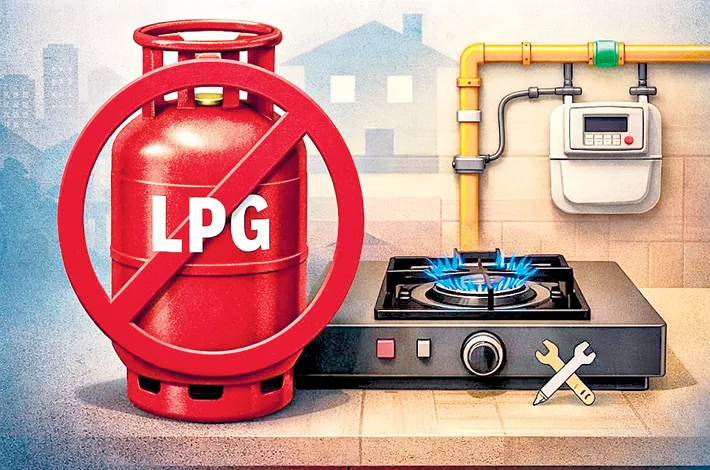
India's energy sector is undergoing a significant transformation as the country balances rapid economic growth with environmental sustainability and energy security. Among the various clean fuel options available today, Liquefied Petroleum Gas (LPG) has emerged as one of the most widely adopted energy sources across residential, commercial, and industrial sectors. Its clean-burning properties, ease of transportation, high energy efficiency, and growing accessibility have positioned LPG as a vital component of India's energy transition.
Over the past decade, government initiatives promoting clean cooking fuels have dramatically expanded LPG penetration across rural and urban India. Millions of households have shifted from traditional fuels such as firewood, coal, and kerosene to LPG, improving public health while reducing indoor air pollution. Simultaneously, industries and commercial establishments are increasingly embracing LPG as an efficient alternative to conventional fuels for manufacturing, food processing, hospitality, and other energy-intensive applications.
The market's growth is being fueled by expanding distribution infrastructure, supportive government policies, increasing industrial consumption, rising environmental awareness, and continuous investments in refining capacity. As India advances toward cleaner and more sustainable energy solutions, the LPG market is expected to remain an essential pillar of the nation's evolving energy ecosystem.
Request For Sample Copy of Report For More Detailed Market insight: https://www.techsciresearch.com/sample-report.aspx?cid=15106#requestform
Industry Key Highlights
Market valued at USD 17.4 Billion in 2024
Expected to reach USD 22.34 Billion by 2030
Forecast CAGR of 4.1%
Government initiatives increasing LPG accessibility
Rising industrial and commercial LPG consumption
North India emerging as the fastest-growing regional market
Crude oil distillation remains the dominant source of LPG production
Expanding bottling plants and distribution infrastructure
Growing adoption of cleaner cooking fuels
Increasing investments in refining technologies
Strong focus on energy efficiency and environmental sustainability
Market Overview
India has become one of the world's largest consumers of Liquefied Petroleum Gas due to growing population, rapid urbanization, rising household incomes, and continuous government support for clean energy adoption.
LPG serves diverse applications across residential cooking, commercial kitchens, industrial heating, manufacturing processes, hospitality services, transportation, and specialized industrial operations.
The market has experienced remarkable growth due to increased awareness of health risks associated with traditional cooking fuels. Households are increasingly transitioning toward LPG because it provides cleaner combustion, greater convenience, and improved cooking efficiency.
Commercial establishments including hotels, restaurants, hospitals, educational institutions, and catering businesses continue expanding LPG consumption due to its reliability and operational flexibility.
Industrial sectors such as food processing, ceramics, chemicals, pharmaceuticals, textiles, and manufacturing also rely on LPG as an efficient source of process heat and thermal energy.
India's extensive refining capacity further strengthens domestic LPG production, while imports continue supporting growing demand across the country.
Key Drivers
Government Support for Clean Cooking Fuel
Government initiatives remain one of the strongest growth drivers for the India LPG Market.
Programs aimed at increasing LPG accessibility among economically weaker households have significantly expanded consumer adoption across rural and semi-urban India.
These initiatives have not only improved energy accessibility but have also contributed to better health outcomes by reducing dependence on biomass fuels that generate harmful indoor smoke.
The expansion of LPG distribution networks ensures that cleaner cooking fuel reaches previously underserved regions, supporting long-term market growth.
Rising Industrial and Commercial Demand
Industrial and commercial sectors are increasingly adopting LPG due to its operational efficiency, environmental benefits, and ease of storage.
Industries use LPG for:
Boilers
Furnaces
Heating systems
Food processing
Manufacturing operations
Commercial kitchens
Compared to conventional fuels, LPG offers cleaner combustion, higher thermal efficiency, and lower maintenance requirements, making it an attractive energy solution for businesses seeking sustainable operations.
Urbanization and Lifestyle Changes
Rapid urbanization continues driving LPG demand across India's growing metropolitan and Tier-II cities.
Urban consumers increasingly prefer LPG due to its convenience, cleanliness, and uninterrupted availability. Growing disposable incomes and changing lifestyles have accelerated the adoption of modern cooking solutions that improve household efficiency and safety.
The expanding middle-class population further supports rising LPG consumption across residential and commercial segments.
Expanding Refining Capacity
India's large refining sector plays a critical role in ensuring stable LPG supply.
Crude oil distillation remains the primary source of domestic LPG production due to its established infrastructure and large-scale processing capabilities.
Continuous investments in refinery modernization and capacity expansion help improve production efficiency while supporting growing domestic demand.
Emerging Trends
Expansion of LPG Distribution Infrastructure
India continues investing heavily in expanding its LPG supply chain.
New bottling plants, storage facilities, distribution terminals, and transportation networks are improving fuel availability across both urban and rural regions.
Enhanced logistics reduce delivery times while ensuring reliable cylinder availability for consumers.
Smart LPG Technologies
Digital technologies are gradually transforming the LPG industry.
Smart cylinders equipped with IoT-enabled sensors allow consumers and distributors to monitor fuel levels, detect leaks, schedule automatic refills, and improve overall safety.
These technologies enhance customer convenience while improving operational efficiency for distributors.
Growing Industrial Sustainability
Businesses across multiple industries are adopting LPG to reduce greenhouse gas emissions and comply with increasingly stringent environmental regulations.
The transition toward cleaner industrial fuels aligns with broader corporate sustainability initiatives while improving overall operational performance.
As environmental compliance becomes increasingly important, LPG adoption is expected to continue expanding across manufacturing and commercial sectors.
Future Potential of Bio-LPG
The industry is gradually exploring renewable alternatives such as Bio-LPG to complement conventional LPG supplies.
Bio-LPG offers lower lifecycle carbon emissions while utilizing existing storage, transportation, and distribution infrastructure.
Growing interest in renewable fuels is expected to create new opportunities for sustainable LPG development in the coming years.
Real-World Use Cases
Residential Cooking and Clean Energy Adoption
The residential sector remains the largest consumer of LPG in India, with millions of households relying on it as a clean, efficient, and convenient cooking fuel. Government-led initiatives have accelerated the transition from traditional biomass fuels such as firewood, coal, and kerosene to LPG, particularly in rural and semi-urban areas. This shift has significantly reduced indoor air pollution, improved public health, and enhanced the quality of life for millions of families. Continuous LPG supply through an expanding distribution network has also made clean cooking more accessible across the country.
Hospitality and Commercial Kitchens
Hotels, restaurants, catering businesses, educational institutions, and hospitals extensively use LPG for cooking and heating applications. Commercial establishments value LPG for its high thermal efficiency, ease of storage, and uninterrupted fuel supply. Compared to conventional fuels, LPG enables faster cooking, cleaner operations, and lower maintenance costs, making it an ideal energy source for businesses that require reliable and efficient daily operations.
Industrial Manufacturing
Manufacturing industries increasingly utilize LPG for boilers, furnaces, dryers, and various thermal processing operations. Industries such as food processing, ceramics, chemicals, pharmaceuticals, glass manufacturing, and textiles benefit from LPG's clean combustion and energy efficiency. By replacing conventional fuels with LPG, manufacturers can reduce emissions, improve production efficiency, and comply with increasingly stringent environmental regulations.
Transportation and Fleet Operations
Although still a relatively smaller application compared to residential consumption, LPG is gradually finding opportunities in the transportation sector. Commercial vehicle operators and fleet owners are exploring LPG as an alternative automotive fuel due to its lower emissions and operational cost advantages. As clean mobility initiatives continue to evolve, the adoption of LPG-powered vehicles may contribute to diversified fuel options within India's transportation sector.
Rural Energy Accessibility
LPG has become an essential energy solution for rural communities where access to cleaner fuels was previously limited. Improvements in distribution infrastructure, including new bottling plants, storage terminals, and last-mile delivery networks, have enabled reliable LPG availability in remote locations. This expansion supports inclusive energy access while reducing dependence on traditional fuels that negatively impact health and the environment.
Competitive Analysis
Indian Oil Corporation Limited
Bharat Petroleum Corporation Limited
Hindustan Petroleum Corporation Limited
Reliance Industries Limited
GAIL (India) Limited
Mangalore Refinery and Petrochemicals Limited
Oil and Natural Gas Corporation Limited
Essar Oil Limited
Gujarat Gas Limited
Indraprastha Gas Limited
Customers can also request for 10% free customization on this report.
Future Outlook
The future of the India LPG Market remains highly promising as the country continues prioritizing clean energy adoption, energy security, and sustainable economic development. Rising household incomes, increasing urbanization, and expanding industrial activities are expected to drive steady LPG demand across multiple sectors during the forecast period.
The residential segment will continue to generate significant demand as government programs further expand LPG accessibility among rural and economically disadvantaged households. Simultaneously, industrial and commercial users are expected to increase LPG consumption as businesses seek cleaner and more energy-efficient alternatives to conventional fossil fuels.
Crude oil distillation is expected to remain the dominant source of domestic LPG production due to India's extensive refining infrastructure. Ongoing investments in refinery modernization, storage facilities, bottling plants, and transportation networks will strengthen supply reliability and support future market growth.
Digital technologies, including IoT-enabled smart cylinders, automated refill systems, predictive maintenance, and digital customer engagement platforms, are likely to transform the consumer experience while improving operational efficiency for distributors.
Looking ahead, the emergence of Bio-LPG and renewable fuel technologies presents new opportunities for sustainable market expansion. As India advances toward its climate and energy transition goals, LPG will continue serving as an important bridge fuel supporting cleaner households, industries, and commercial operations.
10 Benefits of This Research Report
Provides comprehensive insights into the India LPG Market and its future growth trajectory.
Delivers accurate market size estimates and long-term growth forecasts.
Identifies major market drivers influencing LPG demand across residential, commercial, and industrial sectors.
Highlights emerging trends including smart LPG technologies, digital distribution, and Bio-LPG development.
Offers detailed segmentation by source, application, supply mode, and region.
Evaluates the competitive landscape and profiles leading market participants.
Identifies investment opportunities arising from expanding infrastructure and clean energy initiatives.
Examines real-world applications of LPG across households, industries, transportation, and commercial establishments.
Supports strategic business planning through actionable market intelligence and industry insights.
Helps energy companies, investors, policymakers, distributors, and manufacturers make informed decisions based on comprehensive market analysis.
Conclusion
The India LPG Market continues to play a central role in the country's clean energy transition by providing an efficient, reliable, and environmentally friendly fuel solution across residential, commercial, industrial, and emerging transportation applications. Strong government support, expanding infrastructure, rising environmental awareness, and increasing industrial adoption are collectively strengthening the market's long-term growth potential.
With the market valued at USD 17.4 Billion in 2024 and projected to reach USD 22.34 Billion by 2030, growing at a CAGR of 4.1%, the industry offers attractive opportunities for refiners, distributors, technology providers, and investors. Continued investments in refining capacity, logistics, bottling facilities, and digital technologies will further improve operational efficiency and customer accessibility.
As India moves toward a cleaner and more sustainable energy future, LPG will remain a critical component of the nation's energy mix. Future innovations such as Bio-LPG, smart distribution systems, and digitally connected supply chains will further enhance market competitiveness while supporting environmental objectives, economic development, and improved quality of life for millions of consumers across the country.
Contact US:
Techsci Research LLC
420 Lexington Avenue, Suite 300,
New York, United States- 10170
Tel: +13322586602
Email: [email protected]
Web: https://www.techsciresearch.com/
Comments
Log in or sign up to join the conversation.