

Introduction
The India LED Lighting Market is undergoing a significant transformation as consumers, businesses, industries, and government organizations increasingly move away from conventional lighting technologies toward energy-efficient LED solutions. Beyond basic illumination, LEDs are becoming an important component of smart buildings, connected infrastructure, modern vehicles, and sustainable urban development.
According to TechSci Research report, “India LED Lighting Market – By Region, Competition, Forecast and Opportunities, 2021-2031F”, India LED Lighting Market was valued at USD 3.79 Billion in 2025 and is expected to reach USD 7.46 Billion by 2031 with a CAGR of 11.95% during the forecast period.The market’s expansion is being supported by rapid urbanization, infrastructure development, government energy-efficiency programs, falling LED prices, and growing awareness of electricity conservation.
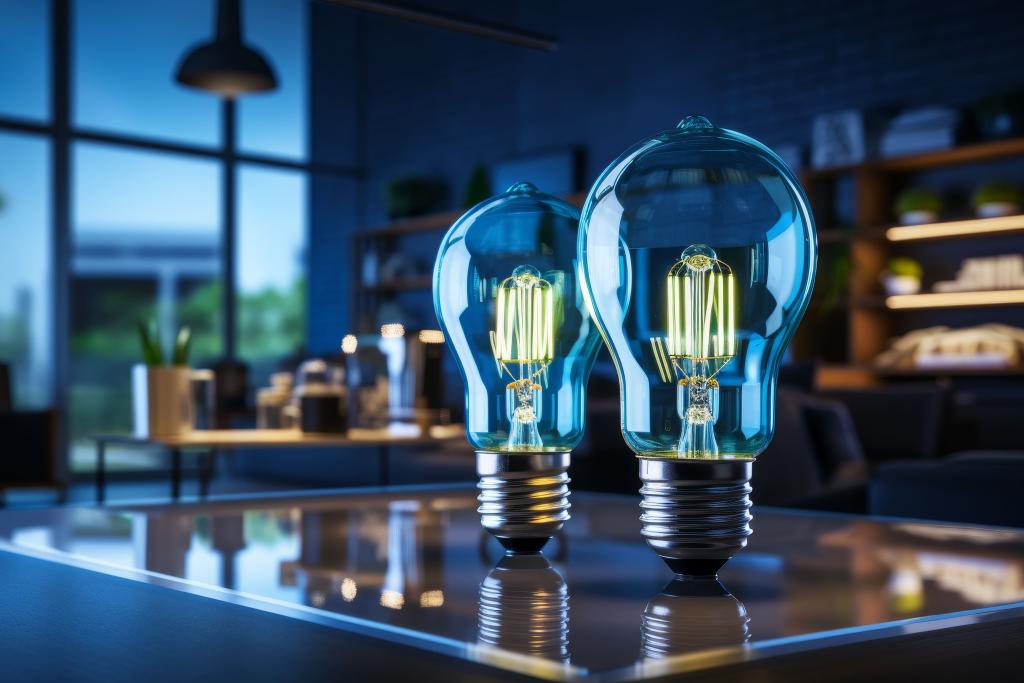
A particularly important development is the integration of LED lighting with the Internet of Things (IoT). Connected lighting systems can combine sensors, occupancy detection, automated dimming, color controls, and centralized monitoring to create intelligent lighting environments. These capabilities are increasingly relevant for offices, hospitals, educational campuses, commercial buildings, industrial facilities, and public infrastructure.
At the same time, automotive lighting is emerging as a high-growth application. Increasing vehicle production, expanding electric mobility, and consumer demand for technologically advanced vehicle designs are encouraging manufacturers to adopt LED systems across headlights, taillights, indicators, interiors, and ambient lighting applications.
Industry Key Highlights
The India LED Lighting Market was valued at USD 3.79 Billion in 2025.
Market revenue is expected to reach USD 7.46 Billion by 2031.
The market is projected to grow at a CAGR of 11.95% from 2025 to 2031.
Automotive Lighting is emerging as the fastest-growing application segment.
North India is the fastest-growing regional market.
IoT-enabled LED systems are transforming conventional lighting into connected energy-management infrastructure.
Bluetooth Mesh, Zigbee, and LoRaWAN are supporting the development of connected lighting networks.
UJALA and Smart Cities initiatives have accelerated the replacement of conventional lighting with LEDs.
Growing electric and hybrid vehicle adoption is creating additional opportunities for automotive LED solutions.
Residential, commercial, institutional, and industrial construction continues to support LED demand.
Request For Sample Copy of Report For More Detailed Market insight
Main Drivers
Government Energy-Efficiency Initiatives
Government-led energy conservation programs have played an important role in accelerating India's transition toward LED lighting. Initiatives such as UJALA have encouraged the replacement of conventional bulbs with energy-efficient alternatives, helping increase awareness about electricity savings and long-term operating benefits.
Smart city development and public infrastructure modernization are also generating demand for LED streetlights, intelligent controls, and energy-efficient illumination systems. Continued investment in highways, urban infrastructure, public facilities, and municipal lighting is expected to create sustained opportunities for manufacturers and solution providers.
Rapid Urbanization and Infrastructure Development
India's expanding urban population is driving construction across residential complexes, commercial buildings, retail spaces, hospitals, educational institutions, transportation infrastructure, and industrial facilities. LED lighting is increasingly being incorporated into these projects because of its lower energy consumption, longer operating life, and flexibility in design.
The development of Tier 2 and Tier 3 cities is further broadening the addressable market. As new offices, housing projects, shopping centers, schools, and public facilities emerge outside major metropolitan areas, demand for affordable and efficient lighting solutions is expected to increase.
Growing Demand for Smart Lighting
The shift from standalone lighting fixtures toward connected systems represents one of the most important changes in the industry. IoT-enabled LED installations allow users to monitor consumption, automate lighting schedules, detect occupancy, and adjust illumination according to changing requirements.
For facility managers, connected lighting can also provide operational information that supports preventive maintenance and resource optimization. Integration with broader building management systems makes LED lighting an important part of smart-building infrastructure.
Increasing Automotive Production
Automotive lighting is rapidly becoming an important growth engine. LEDs provide manufacturers with design flexibility, improved illumination, lower energy consumption, and longer service life compared with traditional lighting technologies.
The growing production of passenger vehicles, commercial vehicles, and two-wheelers is expanding the potential customer base. Demand is also being influenced by consumers seeking premium styling, advanced interiors, and enhanced vehicle functionality.
Emerging Trends
Connected and Sensor-Based Lighting
Smart LED systems are moving beyond simple remote control. Modern installations can combine occupancy sensors, daylight sensing, automated dimming, color management, and centralized dashboards. This enables buildings to adjust lighting according to actual usage rather than operating at fixed intensity throughout the day.
Bluetooth Mesh, Zigbee, and LoRaWAN are contributing to this evolution by enabling communication between lighting fixtures and connected devices. Manufacturers are increasingly developing plug-and-play solutions that can be managed through applications and centralized platforms.
Energy-as-a-Service Models
Businesses are increasingly evaluating lighting based on total operating value rather than the initial purchase price. Smart lighting solutions can generate long-term savings through lower electricity consumption, reduced maintenance requirements, utility incentives, and integration with building automation systems.
This trend may encourage more organizations to adopt lighting-as-a-service and energy-as-a-service approaches, particularly for large commercial and industrial installations.
Automotive LED Innovation
Automotive lighting is evolving from functional illumination toward an important design and technology feature. LED modules are increasingly used to create distinctive headlamp signatures, adaptive lighting systems, ambient interiors, and digitally controlled illumination.
Electric and hybrid vehicles are strengthening this trend because manufacturers are seeking lightweight, energy-efficient, and visually distinctive components that complement modern vehicle architectures.
Affordable LED Adoption
Declining product costs are making LED technology accessible to a wider consumer base. The combination of lower upfront prices, reduced electricity consumption, and longer product life continues to strengthen the value proposition of LEDs compared with conventional lighting technologies.
Competitive Analysis
Signify N.V.
Havells India Limited
Syska E-Retail Pvt. Ltd.
Bajaj Electricals Limited
Wipro Enterprises Private Limited
Crompton Greaves Consumer Electricals Limited
Osram
Orient Electric Limited
Customers can also request 10% free customization on this report.
Segmentation
By Type
The India LED Lighting Market can be segmented into:
LED Bulbs & Lamps
Batten Lights
Downlights
Spotlights
Others
LED bulbs and lamps remain important across residential and commercial applications, while battens, downlights, and spotlights are increasingly used in offices, retail spaces, hospitality environments, and modern residential projects.
By End Use Sector
The market is segmented into:
Commercial
Residential
Institutional
Industrial
Residential demand is supported by household energy-efficiency awareness and LED affordability. Commercial and institutional facilities are increasingly adopting smart lighting to reduce electricity consumption and improve operational control. Industrial users are also evaluating LED systems for warehouses, factories, production facilities, and large operational areas where lighting can represent a significant recurring expense.
By Application
The major application segments include:
Outdoor Lighting
Indoor Lighting
Automotive Lighting
Others
Automotive Lighting has emerged as the fastest-growing application segment, supported by vehicle production, increasing ownership, premiumization, electric mobility, and demand for advanced lighting designs.
By Region
The market is segmented into:
North India
South India
West India
East India
North India is the fastest-growing region, supported by urbanization, infrastructure expansion, public lighting modernization, and government-led energy-efficiency programs.
Major cities including Delhi, Noida, Gurugram, Lucknow, and Chandigarh are witnessing increased adoption across residential, commercial, and public-sector projects. Infrastructure expansion, highway development, and municipal lighting upgrades are providing additional momentum.
FAQ
1. What is the projected size of the India LED Lighting Market by 2031?
2. What is driving the growth of the India LED Lighting Market?
3. Which application segment is expected to grow fastest in the India LED Lighting Market?
4. Which region is experiencing the fastest growth in the India LED Lighting Market?
Contact US:
Techsci Research LLC
420 Lexington Avenue, Suite 300,
New York, United States- 10170
Tel: +13322586602
Email: [email protected]
Comments
Log in or sign up to join the conversation.