

Introduction
According to TechSci Research report, “Industrial Automation Market Size in India - By Region, Competition Forecast & Opportunities 2030F”, India Industrial Automation Market was valued at USD 16.2 billion in 2024 and is expected to reach at USD 37.42 Billion in 2030 and project robust growth in the forecast period with a CAGR of 14.8% through 2030.
The growing emphasis on smart manufacturing, digital factories, robotics, artificial intelligence, machine learning, and Industrial Internet of Things (IIoT) technologies is reshaping the future of industrial operations in India. As businesses across automotive, pharmaceutical, food processing, textile, electronics, and energy sectors continue to modernize their infrastructure, industrial automation solutions are becoming an essential component of long-term growth strategies.
Industrial automation is no longer limited to large enterprises. Small and medium-sized enterprises are increasingly embracing automation technologies to remain competitive in an evolving global marketplace. The integration of intelligent machines, automated control systems, cloud-based analytics, and predictive maintenance capabilities is helping manufacturers improve quality standards, minimize operational downtime, and increase overall efficiency.
The adoption of Industry 4.0 technologies is also supporting India’s broader economic goals by strengthening domestic manufacturing capabilities, boosting exports, and encouraging technological innovation. Government initiatives such as “Make in India,” “Digital India,” and smart manufacturing programs are creating a favorable environment for automation adoption across multiple industries.
Request For Sample Copy of Report For More Detailed Market insight: https://www.techsciresearch.com/sample-report.aspx?cid=15147#requestform
Industry Key Highlights
India Industrial Automation Market valued at USD 16.2 billion in 2024.
Market expected to reach USD 37.42 billion by 2030.
Forecast CAGR of 14.8% during 2025-2030.
Industry 4.0 technologies are accelerating automation adoption.
Smart manufacturing and digital factories are driving transformation.
Factory automation segment dominates the market.
North India emerging as the fastest-growing regional market.
Automotive, pharmaceutical, textile, and food processing sectors are key adopters.
Increasing deployment of AI, robotics, IoT, and machine learning technologies.
Government initiatives supporting industrial modernization and automation investments.
Emerging Trends in India Industrial Automation Market
Rise of Smart Factories
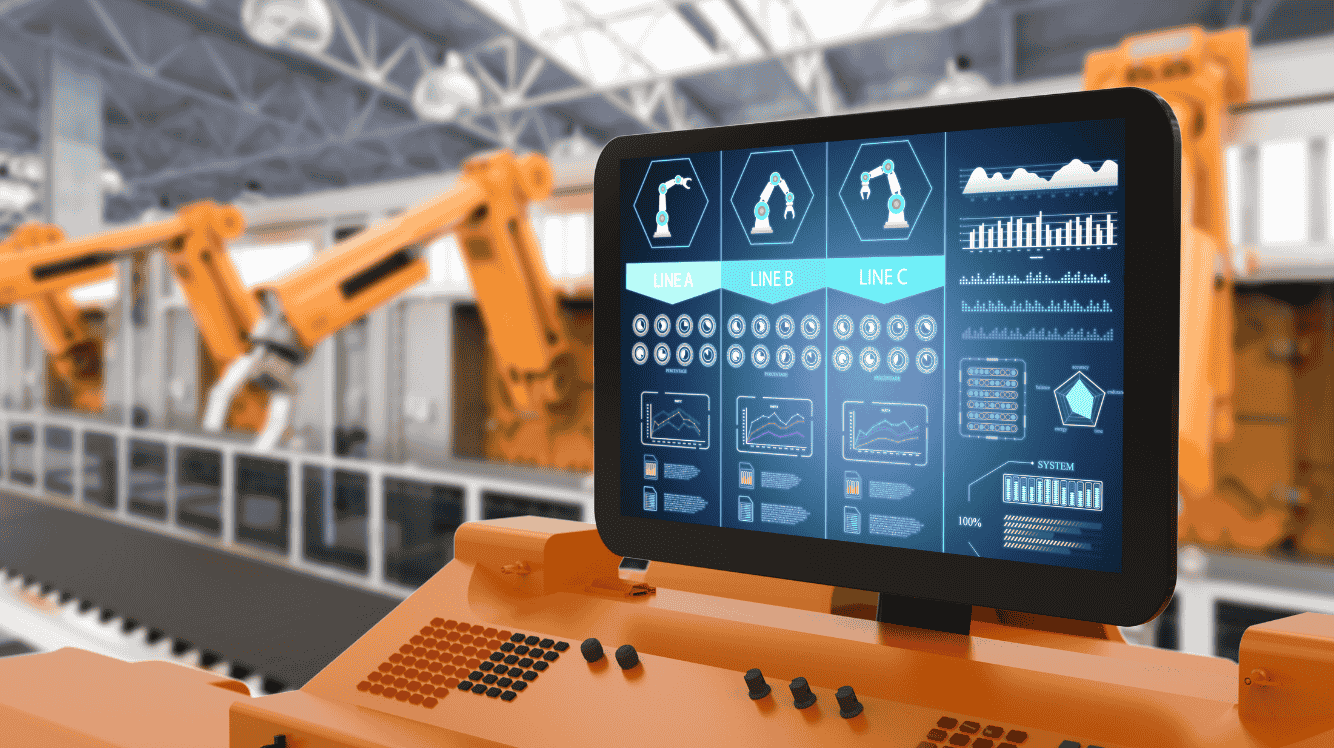
One of the most significant trends shaping the market is the rapid emergence of smart factories. Smart factories utilize interconnected devices, AI-driven analytics, cloud computing, and IoT-enabled machinery to create highly efficient production environments.
These facilities can monitor machine performance in real time, automate workflows, identify operational bottlenecks, and reduce maintenance costs. Smart factories also enhance flexibility by enabling manufacturers to quickly adapt production processes according to changing market demands.
Integration of Artificial Intelligence and Machine Learning
Artificial intelligence and machine learning are revolutionizing industrial automation systems across India. AI-powered automation solutions can analyze large volumes of operational data, identify patterns, and provide actionable insights for optimizing manufacturing processes.
Machine learning algorithms help industries improve predictive maintenance capabilities by detecting equipment failures before they occur. This minimizes downtime, extends machinery lifespan, and reduces repair costs.
Increasing Adoption of Industrial IoT
Industrial Internet of Things (IIoT) technology is becoming a cornerstone of modern automation systems. Connected sensors and devices allow manufacturers to collect real-time data from machines, production lines, and supply chains.
IIoT platforms enable remote monitoring, automated reporting, energy management, and predictive analytics. Manufacturers can use this data to improve production efficiency, reduce waste, and enhance overall operational performance.
Robotics and Collaborative Automation
The deployment of industrial robots is increasing rapidly in India, particularly in sectors such as automotive, electronics, packaging, and warehousing. Robots are being used for welding, assembly, material handling, inspection, and packaging applications.
Collaborative robots, or cobots, are emerging as a major trend because they can work safely alongside human operators. Cobots help improve productivity while reducing workplace injuries and repetitive manual tasks.
Key Growth Drivers of India Industrial Automation Market
Expansion of Manufacturing Sector
India’s rapidly expanding manufacturing sector is one of the primary drivers of industrial automation adoption. Industries are investing heavily in automation technologies to improve production efficiency, maintain quality standards, and meet rising domestic and international demand.
The automotive, electronics, pharmaceutical, textile, and consumer goods industries are leading adopters of automation systems due to their high-volume production requirements.
Government Support and Policy Initiatives
Government initiatives such as “Make in India,” “Digital India,” and Production Linked Incentive (PLI) schemes are encouraging industries to modernize operations and invest in advanced manufacturing technologies.
These initiatives aim to strengthen India’s manufacturing capabilities, attract foreign investment, and position the country as a global industrial hub.
State governments are also providing incentives and infrastructure support for industrial automation projects and smart manufacturing initiatives.
Rising Labor Costs and Workforce Challenges
Increasing labor costs and workforce shortages are prompting industries to adopt automation solutions. Automated systems reduce dependency on manual labor while improving productivity and operational consistency.
Industries are also facing challenges related to workforce safety, skill shortages, and employee retention. Automation technologies help address these issues by minimizing hazardous tasks and enabling safer work environments.
Growing Demand for Quality and Precision
Modern consumers demand high-quality products with consistent performance and faster delivery timelines. Automation technologies help manufacturers maintain precision, reduce errors, and improve product quality.
Advanced quality control systems equipped with AI and machine vision capabilities enable manufacturers to detect defects in real time and ensure compliance with industry standards.
Regional Insights: North India Leading the Growth
North India has emerged as the fastest-growing region in the India Industrial Automation Market due to its strong industrial base, expanding infrastructure, and favorable government policies.
States such as Haryana, Uttar Pradesh, Punjab, and Rajasthan are witnessing significant growth in manufacturing industries including automotive, textiles, pharmaceuticals, food processing, and electronics.
The region benefits from excellent connectivity, industrial corridors, logistics infrastructure, and proximity to Delhi NCR, which serves as a major industrial and technological hub.
Government-backed industrial development programs and investments in smart industrial cities are further supporting automation adoption across North India.
The rise of technology startups and innovation centers in the region is also accelerating the deployment of AI-driven automation, robotics, and IoT-based industrial solutions.
Key market players in the India Industrial Automation Market are: -
Siemens AG
ABB Ltd.
Rockwell Automation, Inc.
Schneider Electric SE
Honeywell International Inc.
Mitsubishi Electric Corporation
FANUC Corporation
Hitachi, Ltd.
Customers can also request for 10% free customization on this report.
Challenges in the India Industrial Automation Market
Despite strong growth potential, the market faces several challenges.
High Initial Investment Costs
Automation systems require significant upfront investments in machinery, software, integration, and workforce training. Small businesses may face financial barriers in adopting advanced technologies.
Lack of Skilled Workforce
The shortage of skilled professionals capable of operating and maintaining advanced automation systems remains a challenge for many industries.
Training and upskilling initiatives are essential to bridge the talent gap and maximize automation benefits.
Cybersecurity Risks
As industries become increasingly connected through IoT and cloud platforms, cybersecurity threats are becoming more prominent.
Manufacturers must invest in robust cybersecurity solutions to protect industrial networks and sensitive operational data.
10 Benefits of the Research Report
Provides comprehensive analysis of the India Industrial Automation Market.
Offers detailed market size and growth forecasts through 2030.
Identifies emerging trends shaping industrial automation adoption.
Examines major growth drivers and market opportunities.
Delivers insights into competitive landscape and key players.
Analyzes regional market dynamics and investment potential.
Highlights industry-wise automation adoption patterns.
Assesses technological advancements including AI, IoT, and robotics.
Evaluates market challenges and strategic recommendations.
Supports informed business decisions and long-term investment planning.
Contact US:
Techsci Research LLC
420 Lexington Avenue, Suite 300,
New York, United States- 10170
Tel: +13322586602
Email: [email protected]
Web: https://www.techsciresearch.com/
Comments
Log in or sign up to join the conversation.