

India Digital Twin Market – Transforming the Future of Intelligent Enterprises
According to TechSci Research report "Digital Twin Market Size in India By Region, Competition, Forecast & Opportunities, 2029", India Digital Twin market was valued at USD 612 Million in 2023 and is anticipated to project robust growth in the forecast period with a CAGR of 27.01% through 2029.
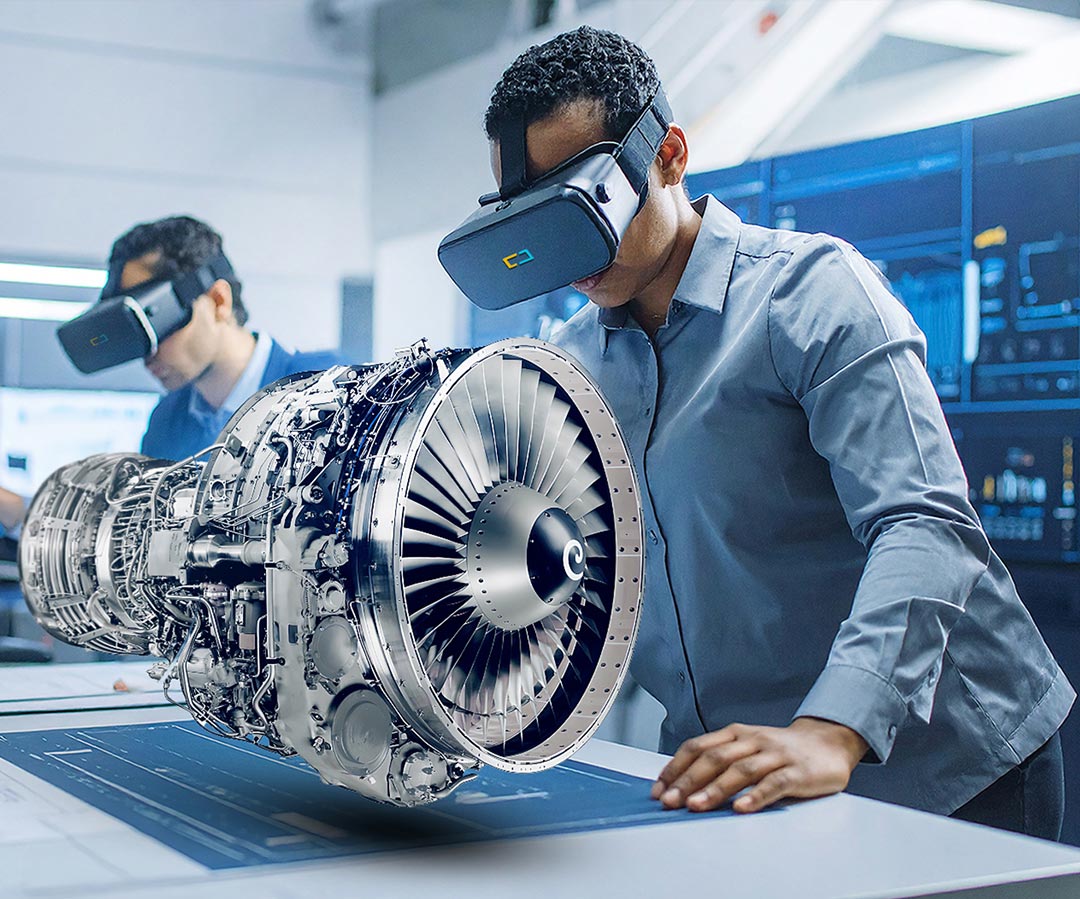
Industry Key Highlights
India Digital Twin Market is witnessing robust growth driven by rapid digital transformation across industries.
Increasing adoption of predictive maintenance solutions is accelerating market expansion.
Growing investments in smart manufacturing and Industry 4.0 technologies are creating significant opportunities.
Rising deployment of Artificial Intelligence (AI), Internet of Things (IoT), cloud computing, and machine learning is enhancing digital twin capabilities.
Government-led digital infrastructure initiatives and smart city projects are supporting market development.
Manufacturing remains the leading end-user industry due to increasing automation and operational optimization.
The Product Digital Twin segment dominates the market owing to its extensive applications in product design, lifecycle management, and predictive analytics.
Southern India continues to lead the regional market with its strong IT ecosystem and industrial base.
Expansion of cloud infrastructure and 5G connectivity is expected to unlock new opportunities across multiple sectors.
Continuous innovation by leading technology companies is intensifying competition and accelerating technological advancements.
Request For Sample Copy of Report For More Detailed Market insight: https://www.techsciresearch.com/sample-report.aspx?cid=15406#requestform
India Digital Twin Market Overview
The India Digital Twin Market is rapidly emerging as one of the most dynamic segments within the country's digital transformation ecosystem. As organizations increasingly embrace intelligent technologies to improve operational efficiency, reduce costs, and enable data-driven decision-making, digital twin technology has become a strategic investment across industries. A digital twin serves as a virtual representation of physical assets, processes, or systems, enabling businesses to monitor performance, simulate real-world scenarios, predict failures, and optimize operations in real time.
India's growing focus on digital innovation, industrial automation, and smart infrastructure has significantly accelerated the adoption of digital twin technology. Enterprises are leveraging digital twins to bridge the gap between physical operations and digital intelligence, allowing organizations to improve productivity, minimize downtime, and achieve sustainable business outcomes.
The increasing generation of industrial data, coupled with widespread deployment of IoT sensors and connected devices, has further strengthened the demand for digital twin solutions. Modern enterprises require real-time visibility into operations, enabling predictive insights and continuous optimization throughout the asset lifecycle.
Moreover, India's expanding digital economy, favorable government initiatives, and rising investments in cloud infrastructure have created an ideal environment for digital twin adoption. As organizations pursue digital transformation strategies, digital twins are becoming an essential technology for achieving operational excellence and long-term competitiveness.
Market Driver
Rising Adoption of Predictive Maintenance
One of the strongest growth drivers for the India Digital Twin Market is the increasing adoption of predictive maintenance across industries. Traditional maintenance models often rely on scheduled inspections or reactive repairs, resulting in unexpected equipment failures and costly downtime.
Digital twin technology enables organizations to continuously monitor machinery through real-time sensor data. Advanced analytics can identify early warning signs of equipment degradation, allowing maintenance teams to intervene before failures occur.
This predictive approach delivers numerous benefits, including:
Reduced maintenance costs
Improved equipment reliability
Increased operational efficiency
Extended asset lifespan
Higher production output
Industries such as manufacturing, automotive, power generation, aerospace, and utilities are increasingly investing in predictive maintenance solutions powered by digital twins.
Accelerating Digital Transformation Across Industries
Indian enterprises are rapidly modernizing their operations through digital transformation initiatives. Businesses are integrating cloud computing, automation, analytics, IoT, and AI into everyday operations to improve efficiency and competitiveness.
Digital twins serve as the central intelligence layer within this transformation by connecting physical assets with digital environments.
Organizations now use digital twins to:
Optimize manufacturing operations
Improve supply chain visibility
Enhance product quality
Reduce operational risks
Enable remote asset monitoring
As digital transformation continues to accelerate, digital twin adoption is expected to become a strategic priority across multiple industries.
Growth of Smart Manufacturing
India's manufacturing sector is undergoing a significant technological evolution. Manufacturers are adopting Industry 4.0 principles that combine automation, robotics, IoT, AI, and advanced analytics.
Digital twins enable manufacturers to simulate production environments before actual implementation, reducing design errors and improving production efficiency.
Manufacturers benefit from:
Faster product development
Improved production planning
Enhanced quality assurance
Reduced waste generation
Better factory utilization
As India's manufacturing sector continues to expand, digital twin technology will remain a key enabler of intelligent production systems.
Government Support for Digital Infrastructure
Government initiatives promoting digital infrastructure, smart cities, and industrial modernization are significantly contributing to market growth.
Large-scale investments in digital public infrastructure, smart manufacturing, disaster management systems, and infrastructure modernization are encouraging wider adoption of digital twin technologies.
Digital twins are increasingly used for:
Urban planning
Infrastructure monitoring
Disaster simulation
Transportation management
Energy optimization
Such initiatives are expected to generate substantial opportunities for technology vendors over the coming years.
Emerging Trends
AI-Powered Digital Twins Becoming More Intelligent
Artificial Intelligence is transforming traditional digital twins into intelligent decision-support systems.
Modern digital twins now incorporate machine learning algorithms capable of:
Detecting anomalies
Predicting equipment failures
Optimizing operational performance
Recommending corrective actions
Automating business decisions
AI-powered digital twins are expected to become increasingly autonomous, enabling organizations to shift from predictive operations toward prescriptive and self-optimizing systems.
Growing Integration with Industrial IoT
The rapid deployment of Industrial Internet of Things (IIoT) devices has significantly enhanced the effectiveness of digital twin technology.
IoT sensors continuously collect data from physical assets including:
Machines
Production lines
Vehicles
Power plants
Buildings
Digital twins transform this massive volume of sensor data into actionable intelligence, allowing organizations to monitor assets remotely and optimize operations in real time.
The convergence of IIoT and digital twins is expected to redefine industrial automation across India.
Expansion of Cloud-Based Digital Twins
Cloud computing has made digital twin technology more accessible and scalable.
Cloud-based digital twins eliminate the need for extensive on-premises infrastructure while offering:
Remote accessibility
Real-time collaboration
High-performance computing
Flexible deployment
Lower implementation costs
Organizations across India are increasingly migrating digital twin workloads to cloud environments to improve scalability and operational efficiency.
Digital Twins Supporting Sustainability Goals
Sustainability has become a strategic objective for enterprises worldwide.
Digital twins enable organizations to:
Monitor energy consumption
Optimize resource utilization
Reduce emissions
Minimize material waste
Improve environmental compliance
Companies are increasingly leveraging digital twins to achieve operational efficiency while meeting sustainability commitments.
Increasing Adoption Across Healthcare
Healthcare organizations are beginning to utilize digital twins for hospital planning, medical equipment monitoring, and personalized treatment simulations.
Potential applications include:
Hospital infrastructure optimization
Medical device maintenance
Patient-specific simulations
Drug development
Healthcare resource management
As healthcare digitization advances, digital twins are expected to become an integral part of smart healthcare ecosystems.
Market Challenges
Despite strong growth prospects, several challenges continue to influence market adoption.
High implementation costs remain a major barrier, particularly for small and medium-sized enterprises. Integrating digital twins with legacy infrastructure can also be technically complex.
Other challenges include:
Cybersecurity concerns
Data privacy issues
Shortage of skilled professionals
High data management requirements
Interoperability between diverse systems
However, continuous technological advancements and increasing awareness are expected to gradually address these challenges.
Segment Analysis
By Type
Among different types of digital twins, the Product segment dominates the India Digital Twin Market.
Product digital twins create virtual representations of physical products throughout their entire lifecycle—from conceptual design and engineering to manufacturing, operation, maintenance, and end-of-life management.
Manufacturers utilize these digital models to test product performance under varying operational conditions before physical production begins.
Key benefits include:
Reduced product development cycles
Improved design accuracy
Enhanced product quality
Lower development costs
Faster innovation
The Product segment has become particularly valuable for industries requiring high levels of engineering precision.
Product Lifecycle Optimization
Product digital twins enable manufacturers to monitor products continuously after deployment.
Real-time performance data provides valuable insights into:
Usage patterns
Performance degradation
Maintenance requirements
Customer behavior
Future design improvements
This continuous feedback loop significantly enhances product innovation and customer satisfaction.
Predictive Maintenance Applications
Predictive maintenance remains one of the largest application areas for product digital twins.
Organizations monitor equipment performance using real-time operational data, allowing maintenance teams to detect issues before failures occur.
Benefits include:
Reduced downtime
Lower repair costs
Higher equipment availability
Improved operational reliability
Increased asset utilization
Industries such as manufacturing, utilities, transportation, and energy continue to invest heavily in these capabilities.
Supply Chain Optimization
Digital twins have become valuable tools for managing increasingly complex supply chains.
Organizations use digital replicas of supply chain networks to:
Simulate logistics operations
Improve inventory planning
Identify bottlenecks
Reduce transportation costs
Improve supplier coordination
Real-time visibility enables organizations to respond rapidly to changing market conditions.
Customer Experience Enhancement
Product digital twins provide organizations with valuable insights into how customers interact with products.
These insights support:
Personalized product recommendations
Improved after-sales services
Faster issue resolution
Product customization
Enhanced customer engagement
As customer expectations continue to evolve, digital twins will play an increasingly important role in delivering superior user experiences.
Regional Insights
Southern India continues to maintain a leading position within the India Digital Twin Market.
The region benefits from:
Strong IT infrastructure
Presence of leading technology companies
Advanced manufacturing clusters
Skilled workforce
High cloud adoption
The concentration of software development centers, engineering services, and industrial automation projects has accelerated regional adoption of digital twin solutions.
Northern India also represents a rapidly growing market supported by increasing digital infrastructure investments, expansion of cloud services, and growing enterprise digitalization initiatives.
The continued rollout of high-speed connectivity and cloud infrastructure is expected to further strengthen digital twin adoption across all regions of the country.
Competitive Analysis
The India Digital Twin Market is highly competitive, with global technology leaders and domestic innovators actively investing in research, product innovation, strategic partnerships, and industry-specific solutions.
Market participants are focusing on integrating Artificial Intelligence, machine learning, Industrial IoT, cloud computing, and advanced analytics into their digital twin platforms to provide comprehensive enterprise solutions. Companies are also expanding their consulting, implementation, and managed service capabilities to support large-scale digital transformation projects across manufacturing, automotive, healthcare, energy, aerospace, and infrastructure sectors.
Strategic collaborations between technology providers, industrial enterprises, and government agencies are becoming increasingly common as organizations seek to accelerate digital innovation and build intelligent operational ecosystems. Vendors are emphasizing scalable cloud-native platforms, cybersecurity enhancements, and real-time analytics to strengthen their competitive positioning.
Major Market Players
Pratiti Technologies Pvt Ltd
Tata Consultancy Services
ANSYS, Inc.
Siemens Aktiengesellschaft
PTC India Limited
IBM India Private Limited
Microsoft Corporation (I) Pvt. Ltd.
Faclon Labs Private Limited
TwinGrid Labs Private Limited
Cisco Systems, Inc.
Customers can also request for 10% free customization on this report.
Future Outlook
The future of the India Digital Twin Market appears exceptionally promising as organizations increasingly recognize the strategic value of virtual modeling, predictive intelligence, and real-time operational visibility.
Growing investments in Industry 4.0 technologies, smart manufacturing, cloud infrastructure, and intelligent automation are expected to drive widespread adoption across diverse sectors. Emerging technologies such as Artificial Intelligence, edge computing, 5G connectivity, extended reality (XR), and generative AI will further enhance the capabilities of digital twins, enabling more sophisticated simulations and autonomous decision-making.
The expansion of smart cities, digital infrastructure projects, renewable energy initiatives, healthcare modernization, and intelligent transportation systems will create new opportunities for digital twin deployment. Small and medium-sized enterprises are also expected to accelerate adoption as cloud-based solutions become more affordable and implementation barriers decline.
As enterprises prioritize operational resilience, sustainability, and data-driven innovation, digital twins will become an indispensable component of India's digital economy. Continuous technological advancements, supportive government initiatives, and increasing enterprise awareness are expected to sustain strong market growth over the coming years.
10 Benefits of the Research Report
Provides comprehensive insights into the current structure of the India Digital Twin Market.
Identifies major growth drivers, emerging trends, and future investment opportunities.
Offers detailed segmentation analysis across type, application, end-user, and region.
Examines the competitive landscape and profiles leading market participants.
Delivers strategic insights into technological innovations shaping the industry.
Assesses market challenges, risks, and opportunities for informed decision-making.
Supports business expansion strategies with actionable market intelligence.
Helps stakeholders understand regional growth dynamics and demand patterns.
Assists investors and policymakers in evaluating long-term market potential.
Enables organizations to make data-driven strategic decisions through comprehensive market analysis.
Contact US:
Techsci Research LLC
420 Lexington Avenue, Suite 300,
New York, United States- 10170
Tel: +13322586602
Email: [email protected]
Web: https://www.techsciresearch.com/
Comments
Log in or sign up to join the conversation.