

Introduction
The Indian digital camera market is experiencing significant transformation as photography evolves from a traditional hobby into a powerful medium for professional content creation, social engagement, and commercial applications. Increasing demand for high-quality visuals across industries such as media, entertainment, advertising, travel, fashion, and e-commerce is driving the adoption of advanced digital imaging solutions.
According to TechSci Research, the India Digital Camera Market Size was valued at USD 1.1 billion in 2024 and is expected to reach USD 1.41 billion by 2030, growing at a CAGR of 4.1% during the forecast period. The market expansion is supported by rising interest in professional photography, technological advancements in camera systems, increasing disposable incomes, and the growing influence of social media platforms.
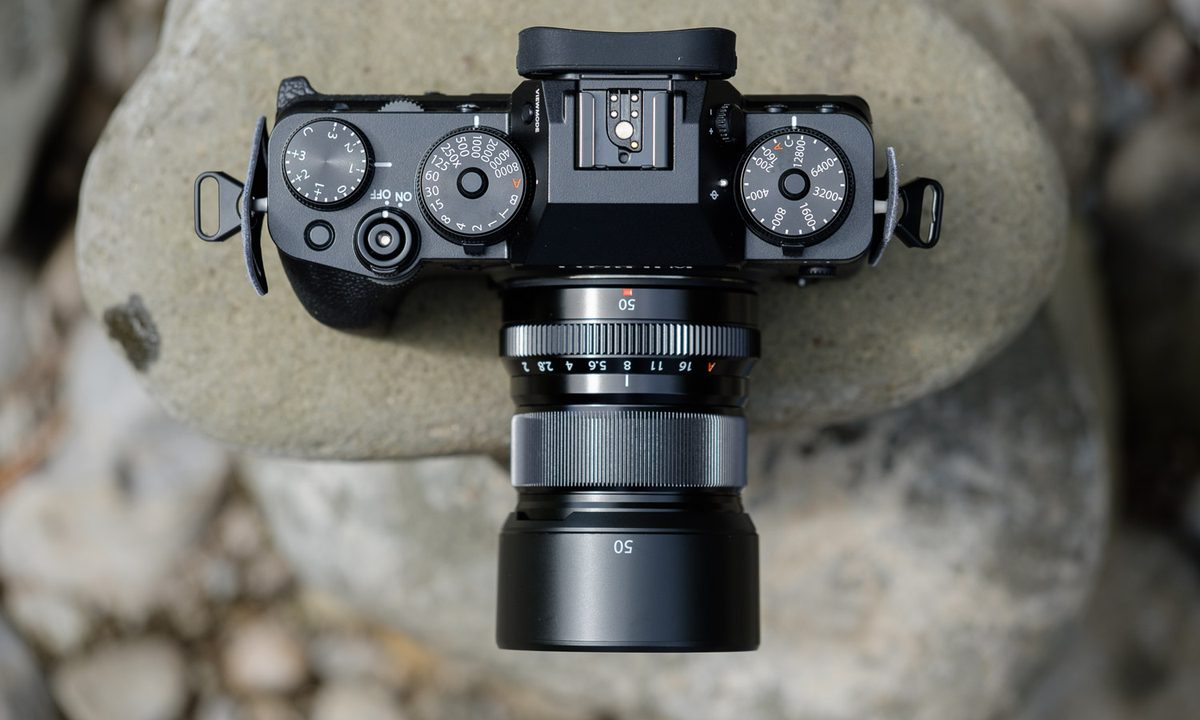
While smartphones have significantly changed the consumer photography landscape, dedicated digital cameras continue to maintain their importance among professional photographers, content creators, filmmakers, and photography enthusiasts who require superior image quality, advanced controls, interchangeable lenses, and specialized shooting capabilities.
The Indian market is witnessing a shift from traditional DSLR cameras toward mirrorless camera systems due to their compact design, improved autofocus capabilities, enhanced video features, and advanced connectivity options. As visual content continues to dominate digital communication, digital cameras are expected to remain an essential tool for creators and businesses seeking premium-quality imaging solutions.
Request For Sample Copy of Report For More Detailed Market insight: https://www.techsciresearch.com/sample-report.aspx?cid=24947#requestform
Industry Key Highlights
The India Digital Camera Market reached USD 1.1 billion in 2024 and is projected to achieve USD 1.41 billion by 2030, expanding at a CAGR of 4.1%.
Growing demand for professional photography, filmmaking, and online content creation is supporting market growth.
Increasing adoption of mirrorless interchangeable lens cameras is reshaping the competitive landscape.
The online distribution channel is gaining strong momentum due to convenience, product availability, and attractive pricing options.
South India represents the leading regional market, supported by technological adoption, commercial activity, and growing creative industries.
Advancements in image sensors, autofocus technology, image stabilization, and connectivity features are enhancing camera performance.
Social media platforms, influencer marketing, and digital advertising are creating new opportunities for camera manufacturers.
Competition from smartphones remains a major challenge as mobile devices continue improving photography capabilities.
Market Overview
The India digital camera market includes various product categories such as Digital Single-Lens Reflex (DSLR) cameras, compact digital cameras, bridge cameras, and mirrorless interchangeable lens cameras. These products cater to different customer groups, ranging from casual users and photography hobbyists to professional photographers and commercial production companies. (techsciresearch.com)
Historically, DSLR cameras dominated the professional photography segment due to their reliability, lens flexibility, and superior image quality. However, the market is gradually shifting toward mirrorless cameras as manufacturers introduce lightweight designs with advanced features comparable to professional DSLR systems.
The increasing popularity of visual storytelling has created new demand opportunities. Photographers, vloggers, travel influencers, wedding professionals, and filmmakers are increasingly investing in dedicated cameras to achieve better image quality and creative control compared with conventional smartphone photography.
India’s expanding digital ecosystem has also contributed to market growth. The rise of e-commerce platforms has improved consumer access to international and domestic camera brands, allowing buyers to compare specifications, prices, and reviews before making purchase decisions.
The market is segmented by product type, distribution channel, digital sensor technology, component, and region. Digital sensors such as CMOS and advanced imaging technologies are becoming critical differentiators as consumers demand better low-light performance, faster processing, and higher-resolution output.
Key Drivers
Growth of Content Creation and Influencer Culture
The rapid growth of social media platforms has transformed photography into a major form of communication and income generation. Influencers, vloggers, photographers, and independent creators increasingly require professional equipment to produce high-quality images and videos.
The expansion of YouTube channels, travel blogging, fashion content, and digital marketing campaigns has created sustained demand for advanced digital cameras.
Increasing Demand for Professional Photography Services
India’s growing events and entertainment industries are supporting demand for professional camera equipment. Wedding photography, corporate events, commercial advertising, and filmmaking require high-performance cameras capable of delivering cinematic-quality visuals.
The increasing popularity of premium wedding experiences and destination events has further encouraged photographers to upgrade their equipment.
Technological Advancements in Camera Systems
Camera manufacturers are continuously introducing innovations such as AI-powered autofocus, improved image stabilization, higher-resolution sensors, faster processors, and enhanced video recording capabilities.
These advancements are encouraging professionals and enthusiasts to upgrade from older camera systems to newer models.
Rising Disposable Income and Photography Interest
India’s expanding middle-class population and increasing consumer spending capacity are supporting growth in premium electronics categories. Photography is increasingly becoming a lifestyle activity, with more individuals exploring it as a hobby or professional career path.
Expansion of Online Retail Channels
Online platforms have simplified the purchasing process by offering extensive product selections, competitive pricing, financing options, and customer reviews. This has increased accessibility for consumers across different regions of India.
Emerging Trends
Shift Toward Mirrorless Camera Technology
One of the most significant trends in the Indian digital camera market is the rising popularity of mirrorless interchangeable lens cameras. These cameras offer compact designs, advanced autofocus systems, excellent video capabilities, and professional-level image quality.
Many professional users are transitioning from DSLR systems to mirrorless platforms due to improved performance and portability.
AI Integration in Photography
Artificial intelligence is becoming increasingly important in modern cameras. AI-based autofocus, subject recognition, scene optimization, and automated image processing are improving user experience and enabling better results for both professionals and beginners.
Growth of Hybrid Photography and Videography
The demand for cameras capable of handling both photography and video production is increasing. Content creators prefer devices that can support high-resolution video recording, live streaming, and cinematic production.
Manufacturers are focusing on developing cameras that provide professional video features alongside advanced photography capabilities.
Increasing Demand for Compact Professional Cameras
Travel photographers, vloggers, and mobile creators are seeking lightweight cameras that provide professional results without the complexity of traditional equipment.
Compact mirrorless cameras and advanced compact models are gaining attention due to their portability and convenience.
Integration of Wireless Connectivity
Modern digital cameras increasingly include Wi-Fi, Bluetooth, cloud connectivity, and smartphone integration. These features allow users to quickly transfer, edit, and share content across digital platforms.
Real-World Use Cases
Professional Photography
Professional photographers use digital cameras for weddings, fashion shoots, product photography, wildlife photography, and commercial assignments. Advanced lenses, high-resolution sensors, and manual controls allow professionals to achieve superior image quality.
Film and Entertainment Production
The Indian film and entertainment industry relies on advanced camera systems for documentaries, advertisements, short films, and digital productions. High-performance cameras support cinematic visuals and professional video workflows.
Travel and Adventure Photography
Travel influencers and tourism companies use digital cameras to capture destinations, experiences, and promotional content. The demand for lightweight and durable cameras continues to rise among travel creators.
E-Commerce Product Photography
Online retailers require high-quality product images to improve customer engagement and sales. Digital cameras enable businesses to capture detailed product visuals for websites, advertisements, and marketing campaigns.
Education and Training
Photography institutes and creative training programs use digital cameras to teach professional photography techniques, creating future demand among students and aspiring photographers.
Competitive Analysis
Canon Inc.
Nikon Corporation
Sony Corporation
Panasonic Corporation
Fujifilm Holdings Corporation
Olympus Corporation
Samsung Electronics Co., Ltd.
GoPro, Inc.
Sz DJI Technology Co., Ltd.
Ricoh Company, Ltd.
Future Outlook
The India digital camera market is expected to maintain steady growth through 2030 as photography continues expanding across professional, commercial, and personal applications. The market’s future will be shaped by technological innovation, changing consumer preferences, and the growing importance of digital content.
Although smartphones remain a major competitive challenge, dedicated cameras continue to offer advantages in image quality, lens flexibility, creative control, and professional performance.
The increasing popularity of video content, online businesses, influencer marketing, and digital media production will create new opportunities for camera manufacturers. Companies that focus on affordable professional solutions, advanced features, and user-friendly technologies are expected to gain stronger market positions.
Regional markets, particularly South India, are likely to continue contributing significantly due to technological adoption, creative industries, and rising demand for premium imaging equipment.
10 Benefits of This Research Report
Provides detailed insights into the current and future growth potential of the India Digital Camera Market.
Helps businesses understand key market trends, opportunities, and challenges.
Provides accurate market size analysis, including growth from USD 1.1 billion in 2024 to USD 1.41 billion by 2030.
Offers detailed segmentation analysis by product type, distribution channel, sensor technology, and components.
Helps investors identify emerging opportunities in India’s photography and imaging industry.
Provides insights into competitive strategies adopted by leading camera manufacturers.
Supports business planning through regional and industry analysis.
Highlights the impact of technological innovations shaping future camera development.
Helps companies understand changing consumer preferences and purchasing behavior.
Assists organizations in developing effective market expansion and investment strategies.
Conclusion
The India Digital Camera Market is undergoing significant evolution as photography becomes increasingly connected with digital content creation, professional services, and commercial applications. With the market projected to grow from USD 1.1 billion in 2024 to USD 1.41 billion by 2030 at a CAGR of 4.1%, opportunities remain strong for manufacturers and technology providers.
Technological advancements, increasing demand for high-quality visuals, rising creator economies, and expanding digital platforms are driving market development. While smartphones continue to influence everyday photography, dedicated digital cameras maintain their importance among professionals and enthusiasts seeking superior performance.
As India’s creative economy expands, digital cameras will continue playing a crucial role in enabling professional storytelling, commercial imaging, and innovative visual experiences. The companies that successfully combine advanced technology, affordability, and user-focused features will be best positioned to capture future growth opportunities in this dynamic market.
Contact US:
Techsci Research LLC
420 Lexington Avenue, Suite 300,
New York, United States- 10170
Tel: +13322586602
Email: [email protected]
Comments
Log in or sign up to join the conversation.