

According to TechSci Research report, “India Connected Homes Market - By Region, Competition, Forecast and Opportunities 2020-2030F”, India Connected Homes Market was valued at USD 12.4 billion in 2024 and is expected to reach at USD 21.45 Billion in 2030 and project robust growth in the forecast period with a CAGR of 9.4% through 2030.
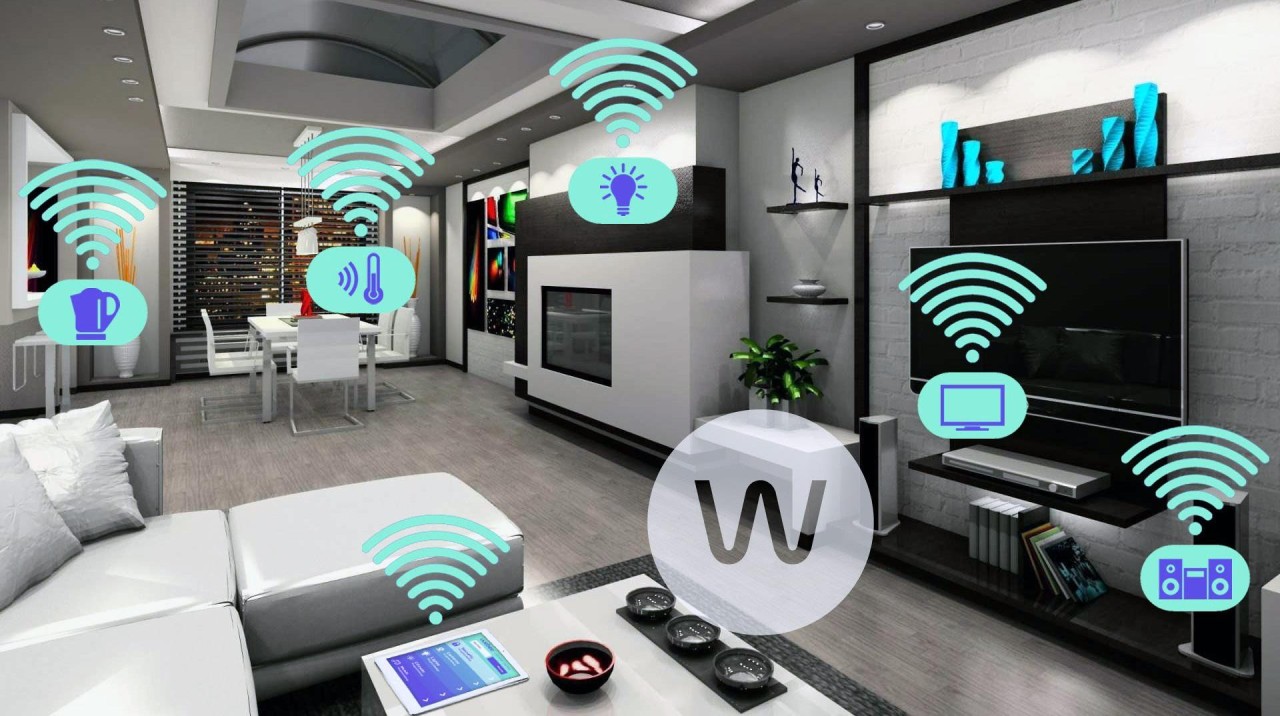
The India Connected Homes Market is expanding as consumers increasingly look for technology-enabled solutions that improve convenience, security, energy management, and overall quality of life. Rising urbanization, improving internet connectivity, growing disposable incomes, and greater awareness of smart home technologies are encouraging households to move beyond conventional residential systems toward connected and automated environments.
Connected homes bring together devices and systems through internet-enabled technologies, allowing users to monitor, control, and automate different aspects of their homes. Smart security cameras, connected locks, automated lighting, smart appliances, energy management systems, and home monitoring solutions are becoming increasingly relevant as consumers seek greater control over their residential environments.
Energy efficiency and sustainability are among the most important factors supporting market development. Consumers are becoming increasingly aware of energy consumption and its impact on utility expenses as well as the environment. Connected thermostats, intelligent lighting systems, automated climate controls, and energy management platforms can help households monitor consumption and optimize how energy is used.
At the same time, technological developments in the Internet of Things (IoT), artificial intelligence (AI), high-speed connectivity, and home automation are creating new possibilities for connected residential environments. The expansion of 4G and emerging 5G networks is also supporting the connectivity infrastructure required by smart home devices.
Request For Sample Copy of Report For More Detailed Market insight
Industry Key Highlights
Growing awareness of energy efficiency and sustainable living is supporting adoption of connected home technologies.
North India is emerging as the fastest-growing region in the India Connected Homes Market.
Major growth centers include Delhi, Gurgaon, and Noida, supported by urbanization, infrastructure development, and technology adoption.
Security and Safety emerged as the dominant functionality segment and is expected to maintain its leadership during the forecast period.
Smart security solutions include surveillance cameras, motion detectors, smart locks, and alarm systems.
IoT and AI advancements are encouraging innovation in home automation.
Expanding high-speed internet and 4G/5G connectivity are making connected devices easier to deploy.
Smart city initiatives and modern residential construction are creating additional opportunities for connected home technologies.
Greater consumer interest in remote monitoring, automation, and integrated smart devices is strengthening market demand.
Main Drivers
Growing Awareness of Energy Efficiency
Energy efficiency has emerged as a major consideration for Indian households. Consumers are increasingly looking for ways to reduce unnecessary energy consumption while controlling utility expenses.
Connected home technologies can provide greater visibility into household energy usage. Smart thermostats, automated climate control systems, energy-efficient lighting, and connected energy management solutions enable users to monitor consumption and make adjustments according to their requirements.
This capability is particularly valuable as environmental awareness increases. Consumers are becoming more conscious of sustainability and resource conservation, encouraging demand for technologies that can support more responsible energy use.
The combination of lower energy consumption, improved control, and environmental benefits is therefore creating a strong incentive for households to adopt connected technologies.
Rapid Urbanization and Rising Incomes
Urbanization is creating a favorable environment for smart home adoption. As cities expand and household incomes increase, consumers are showing greater interest in technology that can improve residential convenience and functionality.
New homeowners and residents of modern housing developments are increasingly exposed to automated lighting, connected appliances, digital security systems, and remote home monitoring. Rising disposable incomes can also make connected home products more accessible to a broader consumer base.
The continued development of urban residential infrastructure is consequently expected to support the expansion of connected home solutions.
Increasing Demand for Home Security
Security has become a central consideration for consumers evaluating smart home technologies. Conventional security systems are increasingly being complemented or replaced by connected solutions that provide real-time monitoring and remote access.
Smart cameras, motion sensors, connected locks, and automated alarm systems allow homeowners to monitor their properties and receive alerts when unusual activity is detected.
The ability to access security systems remotely through connected devices provides an additional layer of convenience and control. This growing preference for technology-enabled protection is a major factor supporting the Security and Safety segment.
Expansion of High-Speed Connectivity
Connected home devices depend on reliable communication networks to exchange information and respond to user commands. The expansion of high-speed internet, 4G connectivity, and emerging 5G networks is therefore contributing to the development of the connected homes ecosystem.
Faster and more reliable connectivity allows multiple smart devices to operate together and supports applications involving real-time monitoring, remote control, and automated responses.
As connectivity infrastructure continues to improve, households in increasingly diverse locations can access connected home technologies.
Smart City and Infrastructure Development
Government-supported smart city initiatives and modernization of urban infrastructure are also contributing to the development of the connected homes market.
Modern residential and commercial developments increasingly incorporate technology-driven systems designed to improve energy management, security, and convenience. As smart infrastructure becomes more common across urban areas, consumers are becoming more familiar with connected technologies.
This broader technology ecosystem creates opportunities for connected home providers to introduce integrated solutions across newly developed properties.
Emerging Trends
Security-Centered Smart Homes
Security and Safety emerged as the dominant functionality segment in the India Connected Homes Market and is expected to retain its leading position during the forecast period.
Consumers are increasingly interested in systems that provide continuous monitoring, automated alerts, remote access, and integrated protection. Smart surveillance cameras, motion detectors, connected locks, and alarm systems are increasingly being combined into unified security environments.
The integration of security with other connected home functions is also increasing the value of these solutions. A homeowner can potentially manage security, lighting, appliances, and energy systems through interconnected platforms rather than operating each system independently.
Integration of AI and IoT
Artificial intelligence and the Internet of Things are driving innovation across connected home technologies. IoT allows individual devices to communicate with one another, while AI can support more intelligent automation and decision-making.
The combination can enable home systems to respond more effectively to user preferences and changing conditions. Continued innovation in these technologies is expected to create increasingly sophisticated home automation solutions.
Expansion of Smart Energy Management
Energy management is becoming an increasingly important area within connected homes. Consumers can use smart technologies to better understand consumption patterns and adjust household systems accordingly.
Automated lighting, intelligent climate management, and connected energy solutions can provide greater control over energy usage while supporting sustainability objectives.
Greater Device Interoperability
Consumers are increasingly interested in connected environments rather than isolated smart products. This is encouraging manufacturers and technology providers to develop solutions that can work alongside other connected devices.
Integration between security, entertainment, appliances, energy systems, and home healthcare technologies can create a more unified residential experience.
Increasing Accessibility of Smart Home Products
The availability of innovative products from domestic and international technology companies is contributing to broader market accessibility. Competitive pricing is also helping connected home technologies reach a wider consumer base.
As products become easier to obtain and consumers become more familiar with their benefits, adoption can expand beyond early technology adopters.
Real-World Use Cases
Smart Home Security
Connected security systems can provide homeowners with remote access to surveillance cameras, smart locks, motion sensors, and alarms. Real-time notifications can help users respond quickly to potential security events.
Energy Management
Smart thermostats, lighting systems, and connected energy management technologies can help households monitor and optimize consumption. Users can adjust settings remotely and automate certain functions according to their requirements.
Automated Lighting
Connected lighting systems allow homeowners to control lights remotely or integrate them with broader home automation systems. Automation can contribute to convenience while also supporting energy-saving objectives.
Smart Appliances
Connected appliances can be integrated into home networks, allowing users to monitor and manage certain functions through connected platforms. Such systems contribute to the broader development of automated residential environments.
Remote Home Monitoring
Connected devices enable homeowners to monitor properties when they are away. Security cameras, sensors, and connected locks can provide visibility into home conditions and support remote management.
Integrated Smart Home Management
The growing integration of multiple smart devices allows households to combine security, energy management, entertainment, appliances, and other functions within a connected ecosystem. This creates a more centralized approach to residential technology management.
Competitive Analysis
LG Electronics Inc.
NEST Labs, Inc.
Xiaomi Corporation
Arlo Technologies, Inc.
Amazon Inc.
Google LLC
Apple Inc.
Samsung Electronics Co., Ltd.
Honeywell International Inc.
Bosch Security Systems Inc.
Customers can also request for 10% free customization on this report.
Segmentation
The India Connected Homes Market is segmented based on Functionality, Component, Platform, Region, and Competition.
By Functionality
Energy and Utilities Management
Smart Entertainment
Wellness and Monitoring
Security and Safety
Smart Appliance
The Security and Safety segment emerged as the dominant functionality and is expected to maintain its leadership throughout the forecast period. Increasing concerns about personal safety and property protection are driving demand for surveillance cameras, motion detectors, smart locks, and alarm systems.
By Component
Light Control Solution
Security Solution
Entertainment Solution
Home Healthcare Solution
Energy Management Solution
The component landscape reflects the growing diversification of connected home technologies. Consumers are increasingly able to combine multiple solutions to create integrated residential environments.
By Platform
Smartphones
Laptops
Home Gateway
Other
Smartphones play an important role in connected home environments by providing users with remote access and control capabilities. Connected platforms allow consumers to monitor and manage devices without needing to be physically present at home.
By Region
North India
South India
West India
East India
North India is emerging as the fastest-growing region in the India Connected Homes Market. Delhi, Gurgaon, and Noida are important growth centers due to rapid urbanization, rising incomes, infrastructure development, technology adoption, and strong internet connectivity.
The region is also benefiting from real estate investment, smart city initiatives, the presence of technology companies and startups, and growing consumer interest in energy-efficient and secure homes.
Frequently Asked Questions
1. What is driving the growth of the India Connected Homes Market?
Key growth drivers include increasing awareness of energy efficiency, rising demand for home security, rapid urbanization, higher disposable incomes, expanding internet connectivity, IoT and AI advancements, and smart city development.
2. Which functionality dominates the India Connected Homes Market?
The Security and Safety segment emerged as the dominant functionality and is anticipated to maintain its leading position throughout the forecast period.
3. Which region is growing fastest in the India Connected Homes Market?
North India is emerging as the fastest-growing region, supported by urbanization, rising incomes, infrastructure development, high-speed connectivity, real estate investment, and increasing adoption of smart technologies.
4. What technologies are supporting connected home adoption in India?
Key technologies include the Internet of Things (IoT), Artificial Intelligence (AI), 4G and 5G connectivity, smart sensors, connected security systems, automated energy management, and home automation platforms.
Contact US:
Techsci Research LLC
420 Lexington Avenue, Suite 300,
New York, United States- 10170
Tel: +13322586602
Email: [email protected]
Comments
Log in or sign up to join the conversation.