

Introduction
India’s rapid industrialization, urban expansion, and increasing energy demand have created significant challenges related to air quality management. Rising emissions from industries, transportation networks, power generation facilities, and urban infrastructure have increased the need for advanced air pollution control technologies. As environmental concerns continue to grow, businesses and government organizations are investing in innovative solutions to reduce harmful emissions and improve air quality standards.
According to TechSci Research, the India Air Pollution Control Systems Market Size was valued at USD 10.5 billion in 2024 and is projected to reach USD 18.16 billion by 2030, growing at a CAGR of 9.4% during 2025-2030. The market expansion is driven by stricter environmental regulations, rising awareness regarding pollution-related health impacts, and increasing adoption of advanced emission control technologies across industries.
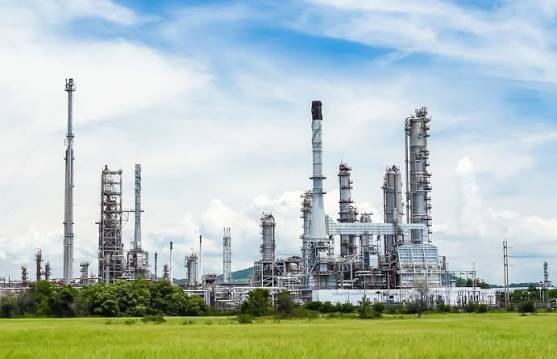
Air pollution control systems have become essential for industries aiming to comply with emission norms while improving operational sustainability. Technologies such as electrostatic precipitators, scrubbers, thermal oxidizers, and catalytic converters are increasingly being deployed across manufacturing, energy, transportation, healthcare, and commercial sectors.
With India focusing on cleaner production methods and sustainable industrial growth, the demand for efficient pollution control solutions is expected to increase substantially over the coming years.
Request For Sample Copy of Report For More Detailed Market insight: https://www.techsciresearch.com/sample-report.aspx?cid=24918#requestform
Industry Key Highlights
The India Air Pollution Control Systems Market reached USD 10.5 billion in 2024 and is forecast to attain USD 18.16 billion by 2030, expanding at a CAGR of 9.4%.
Increasing industrial emissions and environmental concerns are accelerating investments in pollution reduction technologies.
Government initiatives focused on improving air quality and reducing industrial emissions are supporting market growth.
The North India region dominates the market due to high industrial activity, urbanization, and severe air quality challenges.
The VOC control segment is expected to witness strong growth due to increasing demand from industrial applications.
Electrostatic precipitators, scrubbers, thermal oxidizers, and catalytic converters remain key technologies used for emission management.
Growing adoption of smart monitoring solutions and automation is transforming pollution control operations.
Industries including energy and power, transportation, mining, semiconductor, healthcare, and manufacturing are increasing investments in advanced systems.
Market Overview
The India Air Pollution Control Systems Market is witnessing significant transformation as industries prioritize environmental compliance, operational efficiency, and sustainable production practices. Air pollution control systems are designed to minimize the release of harmful pollutants, including gases, volatile organic compounds (VOCs), dust particles, and industrial emissions.
Rapid economic development has increased industrial output across sectors such as manufacturing, power generation, chemicals, automotive, and infrastructure. While this growth supports economic progress, it has also increased pressure on organizations to adopt effective pollution management solutions.
The market includes a wide range of technologies such as:
Electrostatic Precipitators (ESPs) for removing particulate matter from industrial exhaust streams.
Scrubbers for controlling gaseous pollutants and chemical emissions.
Thermal Oxidizers for treating volatile organic compounds.
Catalytic Converters for reducing harmful emissions from vehicles and industrial processes.
The increasing implementation of environmental standards has encouraged industries to upgrade existing pollution control infrastructure. Companies are focusing on installing efficient systems that not only meet regulatory requirements but also improve energy efficiency and reduce long-term operational costs.
The market is segmented based on product, type, pollutant, application, end user, and region. Key applications include tunnels, air terminals, underground garages, public transportation stations, automobile systems, and industrial air pollution control solutions.
Key Drivers
Increasing Industrialization and Urban Development
India’s expanding industrial base is one of the primary factors driving demand for air pollution control systems. Manufacturing facilities, power plants, construction activities, and transportation infrastructure generate significant emissions, creating a strong requirement for effective pollution management technologies.
Industries are increasingly investing in emission control equipment to maintain compliance with environmental regulations while improving their sustainability performance.
Stringent Environmental Regulations
Government regulations and emission standards are playing a crucial role in shaping market growth. Industries are required to implement advanced pollution control technologies to reduce emissions and maintain compliance with environmental guidelines.
The growing focus on cleaner production practices is encouraging companies to replace outdated systems with modern, efficient solutions.
Rising Awareness of Health Impacts
Increasing public awareness regarding the harmful effects of air pollution is influencing government policies and corporate strategies. Poor air quality has been linked to various health concerns, encouraging organizations and communities to support initiatives aimed at improving environmental conditions.
This growing awareness is creating demand for pollution monitoring, filtration, and emission control systems.
Expansion of Power and Energy Sector
India’s growing energy requirements are increasing investments in power generation infrastructure. Thermal power plants and industrial energy facilities require advanced pollution control technologies to manage emissions effectively.
Technologies such as electrostatic precipitators and scrubbers are becoming essential components of modern energy facilities.
Growth of Manufacturing Industries
Manufacturing sectors such as automotive, chemicals, pharmaceuticals, and electronics are adopting pollution control systems to reduce industrial emissions and improve environmental performance.
As India continues strengthening its manufacturing ecosystem, demand for efficient air quality management solutions is expected to rise.
Emerging Trends
Smart Pollution Monitoring Systems
The integration of digital technologies is transforming air pollution management. Smart sensors, IoT-based monitoring systems, and real-time analytics are enabling organizations to track emissions continuously and optimize pollution control operations.
These technologies help industries identify emission sources quickly and improve operational efficiency.
Adoption of Energy-Efficient Technologies
Modern pollution control systems are being designed with improved energy efficiency to reduce operating costs. Manufacturers are developing advanced solutions that deliver higher pollutant removal efficiency while consuming less power.
This trend is encouraging industries to upgrade their existing pollution control infrastructure.
Artificial Intelligence and Data Analytics Integration
Artificial intelligence and analytics are emerging as important tools for predictive pollution management. AI-based systems can analyze emission patterns, identify potential issues, and support preventive maintenance strategies.
These capabilities enable industries to improve reliability and reduce downtime.
Growth of Indoor Air Quality Solutions
While industrial pollution control remains a major focus area, demand for indoor air quality solutions is also increasing. Commercial buildings, healthcare facilities, educational institutions, and residential complexes are adopting advanced filtration and air purification technologies.
Focus on Sustainable Industrial Practices
Companies are increasingly aligning their operations with sustainability goals. Pollution control systems are becoming part of broader environmental strategies aimed at reducing carbon footprints and improving corporate responsibility.
Real-World Use Cases
Power Generation Facilities
Power plants use advanced pollution control systems to reduce emissions from combustion processes. Electrostatic precipitators and scrubbers help remove particulate matter and harmful gases before emissions are released into the atmosphere.
Automotive Industry
Automotive manufacturers utilize catalytic converters and emission control technologies to reduce harmful exhaust emissions from vehicles. These solutions support compliance with evolving vehicle emission standards.
Manufacturing and Industrial Plants
Factories operating in sectors such as chemicals, metals, and manufacturing use air pollution control systems to manage dust, VOCs, and industrial gases.
These systems improve workplace safety while helping companies meet environmental requirements.
Healthcare Facilities
Hospitals and pharmaceutical facilities require controlled air environments to maintain safety and hygiene standards. Advanced air filtration and purification technologies help manage airborne contaminants.
Transportation Infrastructure
Air pollution control systems are increasingly used in underground garages, tunnels, and transportation stations to improve air quality and protect public health.
Competitive Analysis
General Electric Company
Siemens AG
Honeywell International Inc.
Babcock & Wilcox Enterprises, Inc.
Thermax Limited
CECO Environmental Corp
Fujian Longking Co., Ltd.
Ducon Technologies Inc
Mitsubishi Hitachi Power Systems, Ltd.
Johnson Controls International plc
Future Outlook
The India Air Pollution Control Systems Market is expected to maintain strong growth momentum through 2030, supported by increasing environmental regulations, industrial expansion, and growing sustainability commitments.
North India is expected to remain a significant market due to its industrial concentration, urban development, and ongoing air quality challenges.
Future growth opportunities will emerge from the adoption of intelligent monitoring systems, AI-driven analytics, energy-efficient technologies, and integrated pollution management solutions.
Industries are expected to increasingly view air pollution control systems not only as compliance requirements but also as strategic investments that improve operational efficiency, sustainability performance, and brand reputation.
As India continues balancing economic growth with environmental responsibility, advanced pollution control technologies will play a crucial role in creating cleaner industrial ecosystems.
10 Benefits of This Research Report
Provides detailed insights into the growth prospects of the India Air Pollution Control Systems Market.
Helps businesses understand key market drivers, challenges, and emerging opportunities.
Includes analysis of market size, growth trends, and future forecasts.
Provides detailed segmentation analysis by product, application, pollutant, and end user.
Helps investors identify attractive opportunities in environmental technology solutions.
Offers insights into competitive strategies of leading market participants.
Highlights the impact of regulations and sustainability initiatives on market development.
Supports business planning through regional and industry-level analysis.
Helps companies understand technology trends shaping pollution control solutions.
Enables organizations to develop effective investment and expansion strategies.
Conclusion
The India Air Pollution Control Systems Market is experiencing strong expansion as environmental sustainability becomes a major priority for industries, governments, and communities. With the market projected to grow from USD 10.5 billion in 2024 to USD 18.16 billion by 2030, pollution control technologies are becoming increasingly important for managing emissions and improving air quality.
Industrial growth, regulatory enforcement, technological advancements, and rising environmental awareness are creating significant opportunities for market participants. The adoption of smart monitoring systems, energy-efficient solutions, and advanced emission control technologies will further shape the future of the industry.
As India continues its journey toward sustainable development, air pollution control systems will remain a critical component of cleaner industrial operations and healthier urban environments.
Contact US:
Techsci Research LLC
420 Lexington Avenue, Suite 300,
New York, United States- 10170
Tel: +13322586602
Email: [email protected]
Web: https://www.techsciresearch.com/
Comments
Log in or sign up to join the conversation.