

Industry Key Highlights
The India Air Pollution Control Systems Market was valued at USD 10.5 billion in 2024.
The market is expected to reach USD 18.16 billion by 2030.
The industry is projected to register a CAGR of 9.4% from 2025 to 2030.
VOC is the fastest-growing pollutant segment.
North India is the largest regional market.
Stringent emission regulations are encouraging industrial investment in pollution-control equipment.
Rapid urbanization is increasing the need for air-quality management across cities and infrastructure.
Growing health awareness is strengthening demand for cleaner indoor and ambient environments.
Industrial expansion in energy, manufacturing, mining, transportation, and other sectors is generating additional demand.
Technology providers are increasingly focusing on efficient, automated, and environmentally sustainable pollution-control systems.
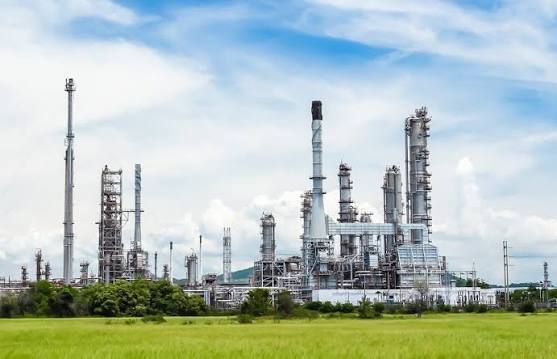
India Air Pollution Control Systems Market: Growth, Trends, Drivers and Forecast
The India Air Pollution Control Systems Market is witnessing strong expansion as environmental concerns, industrialization, urban development, and regulatory requirements increase the need for effective emission-management technologies. Industries across power generation, manufacturing, mining, transportation, automotive, pharmaceuticals, and other sectors are investing in systems designed to capture, remove, or neutralize harmful pollutants before they enter the atmosphere.
According to TechSci Research report, India Air Pollution Control Systems Market was valued at USD 10.5 billion in 2024 and is expected to reach at USD 18.16 Billion in 2030 and project robust growth in the forecast period with a CAGR of 9.4% through 2030. This growth reflects the increasing importance of environmental compliance, cleaner industrial operations, and technologies capable of managing particulate matter, gases, volatile organic compounds (VOCs), and other airborne contaminants.
India's rapid urbanization and industrial development have intensified pressure on air quality. As industrial facilities expand and transportation networks become more extensive, businesses and public authorities are increasingly focused on reducing emissions. This has created opportunities for technologies such as scrubbers, thermal oxidizers, catalytic converters, electrostatic precipitators, and other specialized pollution-control solutions.
Government initiatives aimed at improving air quality are also encouraging investments in emission-control infrastructure. At the same time, greater public awareness of the health consequences associated with poor air quality is increasing pressure on industries and policymakers to adopt more effective solutions.
The market is therefore evolving from a compliance-focused industry toward a broader environmental technology ecosystem. Companies are increasingly seeking systems that combine pollution reduction with energy efficiency, operational reliability, automation, and long-term sustainability.
Request For Sample Copy of Report For More Detailed Market insight
Main Drivers
Stringent Environmental Regulations
One of the most important factors supporting market growth is the strengthening of India's environmental regulatory framework. Businesses operating emission-intensive facilities are required to meet increasingly demanding air-quality and emissions standards.
Government programs and environmental policies are encouraging industries to reduce particulate matter and gaseous emissions. Compliance requirements can influence investment decisions when companies expand production capacity, modernize facilities, or establish new industrial operations.
Technologies such as electrostatic precipitators, scrubbers, thermal oxidizers, and filtration systems provide industries with practical mechanisms for controlling emissions. As monitoring becomes more systematic and regulatory expectations become more stringent, businesses have stronger incentives to upgrade older pollution-control infrastructure.
This regulatory environment is expected to remain a major source of demand throughout the forecast period.
Rapid Urbanization and Industrial Expansion
India's continuing urban and industrial development is another significant market catalyst. Expanding cities require more transportation infrastructure, commercial facilities, industrial zones, energy generation, and construction activity.
Industrial growth can increase emissions of particulate matter, sulfur compounds, nitrogen oxides, VOCs, and other pollutants. Consequently, new industrial projects increasingly need pollution-control measures as part of their environmental and operational planning.
Urban infrastructure also creates demand for specialized systems in locations such as tunnels, underground garages, transportation stations, and air terminals. These environments require effective management of vehicle emissions and airborne contaminants to maintain acceptable air quality.
Growing Public Health Awareness
Awareness of the relationship between air pollution and human health has increased considerably. Consumers, businesses, policymakers, and communities are becoming more conscious of the risks associated with prolonged exposure to polluted air.
Concerns surrounding respiratory conditions, cardiovascular health, and other pollution-related effects are encouraging organizations to take air quality more seriously. This trend extends beyond industrial facilities to commercial buildings, transportation infrastructure, healthcare facilities, and residential environments.
Greater awareness can also increase pressure on businesses to demonstrate responsible environmental practices, encouraging investments in technologies that reduce emissions and improve air quality.
Government Support and Environmental Initiatives
Government programs focused on reducing pollution are helping create a favorable environment for air pollution control technology. Initiatives such as the National Clean Air Programme (NCAP) demonstrate the increasing policy focus on improving air quality.
Public-sector efforts can encourage both direct investment and regulatory compliance among industries. As cities and industrial clusters pursue cleaner air targets, demand for monitoring, filtration, emission reduction, and pollution-control equipment is expected to increase.
Emerging Trends
Rising Demand for VOC Control
VOC is the fastest-growing pollutant segment in the India Air Pollution Control Systems Market. VOC emissions can originate from industrial manufacturing, chemical processing, paints and coatings, fuel handling, and several other activities.
Increasing awareness of VOC-related environmental and health concerns is encouraging industries to deploy more sophisticated treatment systems. Thermal oxidizers and other specialized technologies can help businesses manage these emissions while meeting regulatory requirements.
Shift Toward Energy-Efficient Systems
Modern pollution-control systems are increasingly being evaluated not only on their emission-removal performance but also on their energy consumption and operating costs.
Industries are looking for technologies that deliver high pollutant-removal efficiency without significantly increasing energy requirements. Equipment manufacturers are consequently focusing on optimized designs, improved materials, better airflow management, and advanced control mechanisms.
Automation and Smart Monitoring
Automation is becoming increasingly relevant to air pollution control. Sensors and digital monitoring systems can help operators track emissions and equipment performance in real time.
Smart monitoring can identify abnormal operating conditions, support predictive maintenance, and improve overall system reliability. Integration with industrial control systems can also allow pollution-control equipment to respond automatically to changes in production conditions.
Greater Focus on Sustainability
Environmental sustainability is increasingly influencing industrial investment decisions. Businesses are seeking solutions that not only comply with current regulations but also support longer-term environmental objectives.
This is encouraging innovation around cleaner production, carbon management, energy efficiency, and technologies capable of integrating pollution control with broader sustainability programs.
Expansion of Indoor and Ambient Applications
Air pollution control is no longer restricted to industrial stacks and manufacturing facilities. Demand is also developing across indoor and ambient environments.
Air terminals, public transportation stations, tunnels, underground parking facilities, commercial buildings, and other enclosed environments require specialized systems to manage pollutants. This broadens the market opportunity for technology providers beyond conventional industrial applications.
Real-World Use Cases
Power Generation
Energy and power facilities are major users of air pollution control technologies because combustion processes can generate particulate matter and gaseous pollutants.
Electrostatic precipitators, scrubbers, and other systems can help power plants control emissions and comply with environmental requirements. Modernization of existing facilities can also create replacement and upgrade opportunities.
Manufacturing
Manufacturing facilities across different industries generate a wide range of airborne pollutants depending on their production processes. Pollution-control systems can capture dust, gases, VOCs, and other contaminants.
Factories increasingly integrate these technologies into production infrastructure to support environmental compliance and improve workplace conditions.
Mining
Mining operations can generate significant quantities of dust and particulate matter during extraction, crushing, transportation, and material handling.
Air pollution control systems can help reduce airborne dust and improve conditions around mining facilities. As mining operations expand and environmental oversight increases, demand for effective dust-management technologies is expected to remain relevant.
Transportation Infrastructure
Tunnels, underground garages, public transportation stations, and air terminals can accumulate pollutants generated by vehicles and other activities.
Specialized ventilation and pollution-control systems can help maintain acceptable air quality in these enclosed or high-traffic environments. Infrastructure development therefore creates an additional avenue for market expansion.
Automotive Applications
The automobile sector uses emission-control technologies to reduce pollutants generated by engines and exhaust systems. Catalytic converters are particularly relevant for controlling harmful emissions from vehicles.
As environmental standards become more demanding, continued technology improvements are expected to support demand for advanced automotive emission-control solutions.
Commercial and Residential Buildings
Air pollution control technologies can also be deployed in commercial and residential environments where indoor air quality is a priority.
Applications may include filtration and air-treatment systems designed to reduce particulate matter and other airborne contaminants. Increasing awareness of indoor air quality can support adoption across offices, healthcare facilities, residential complexes, and commercial buildings.
Competitive Analysis
General Electric Company
Siemens AG
Honeywell International Inc.
Babcock & Wilcox Enterprises, Inc.
Thermax Limited
CECO Environmental Corp
Fujian Longking Co., Ltd.
Ducon Technologies Inc
Mitsubishi Hitachi Power Systems, Ltd.
Johnson Controls International plc
Segmentation
The India Air Pollution Control Systems Market can be segmented based on product, type, pollutant, application, end user, and region.
By Product
Scrubbers
Thermal Oxidizers
Catalytic Converters
Electrostatic Precipitators
Others
Each product category addresses specific pollution-control requirements. Scrubbers are used for treating certain gaseous and particulate emissions, while thermal oxidizers are particularly relevant to VOC treatment. Catalytic converters are widely associated with automotive emission control, and electrostatic precipitators are used extensively for particulate removal in industrial applications.
By Type
Indoor
Ambient
Indoor systems address air quality within enclosed environments, while ambient solutions focus on broader outdoor or environmental air pollution control requirements.
By Pollutant
Gas
VOC
Dust
Others
VOC represents the fastest-growing segment, reflecting increasing regulatory and industrial attention toward volatile organic emissions.
By Application
Tunnels
Air Terminals
Underground Garages
Public Transportation Stations
Air Pollution Control
Automobile
Others
The application landscape demonstrates the broad role of pollution-control systems across industrial, transportation, infrastructure, and commercial environments.
By End User
Powertrain Management
Energy and Power
Mining
Agriculture
Semiconductor
Medical and Pharma
Commercial and Residential
Transportation
Others
Energy and power, manufacturing-related industries, mining, transportation, and other emission-intensive sectors remain important demand centers.
By Region
North India
South India
West India
East India
North India is the largest regional market. The region faces significant air-quality challenges while also containing major industrial, transportation, commercial, and urban centers.
Large metropolitan areas and industrial clusters create substantial demand for emission-control equipment. Continued infrastructure development and environmental initiatives are expected to support regional opportunities.
4 FAQ
1. What is the size of the India Air Pollution Control Systems Market?
The India Air Pollution Control Systems Market was valued at USD 10.5 billion in 2024 and is expected to reach USD 18.16 billion by 2030, expanding at a CAGR of 9.4% from 2025 to 2030.
2. Which pollutant segment is growing fastest?
VOC is the fastest-growing pollutant segment in the India Air Pollution Control Systems Market. Increasing environmental awareness, regulatory requirements, and the need to control industrial emissions are contributing to demand for VOC treatment technologies.
3. What are the major factors driving market growth?
The major growth drivers include stricter environmental regulations, rapid urbanization, industrial expansion, increased public health awareness, and government initiatives such as the National Clean Air Programme. Growing investment in energy, manufacturing, transportation, and infrastructure is also supporting demand.
4. Which region has the largest market share?
North India is the largest regional market for air pollution control systems. Strong industrial activity, major urban centers, transportation infrastructure, and significant air-quality challenges contribute to the region's leading position.
Contact US:
Techsci Research LLC
420 Lexington Avenue, Suite 300,
New York, United States- 10170
Tel: +13322586602
Email: [email protected]
Comments
Log in or sign up to join the conversation.