

According to a report published by TechSci Research "India Air Pollution Control Systems Market Report– Industry Size, Share, Trends, Growth, Forecast & Opportunities, 2030, India Air Pollution Control Systems Market was valued at USD 10.5 billion in 2024 and is expected to reach at USD 18.16 Billion in 2030 and project robust growth in the forecast period with a CAGR of 9.4% through 2030.
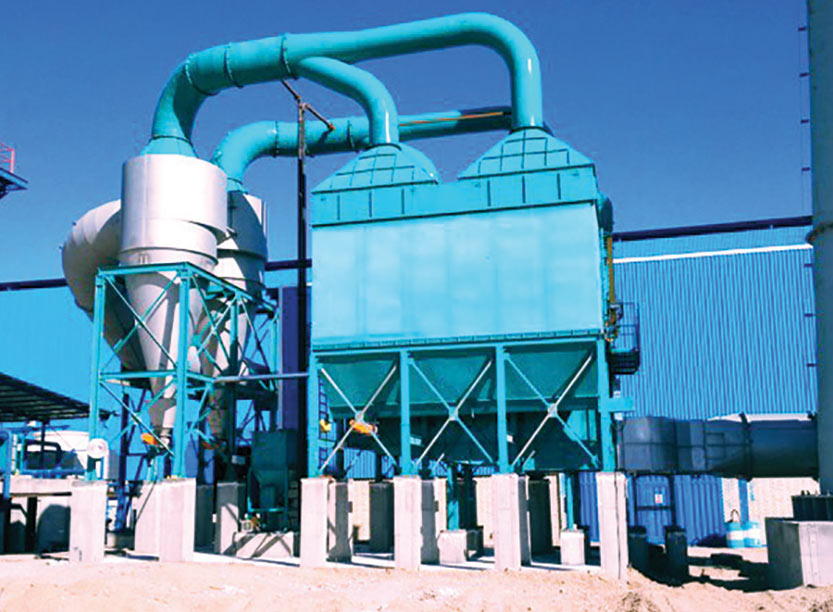
Industry Key Highlights
India Air Pollution Control Systems Market is witnessing significant growth due to increasing environmental concerns and stricter regulatory frameworks.
Rapid industrialization across sectors such as power generation, cement, chemicals, metal processing, oil & gas, and manufacturing is driving demand for advanced pollution control technologies.
Government initiatives focused on reducing industrial emissions and improving air quality are creating favorable market conditions.
Growing investments in smart manufacturing and sustainable industrial infrastructure are accelerating the adoption of modern air pollution control systems.
Technological advancements in filtration, monitoring, and emission reduction solutions are improving operational efficiency and compliance capabilities.
Rising awareness among industries regarding environmental responsibility and ESG commitments is contributing to market expansion.
Integration of automation, IoT, artificial intelligence, and real-time emission monitoring technologies is reshaping the industry landscape.
Expansion of urban and industrial zones across India is increasing the need for efficient emission control infrastructure.
Demand for retrofitting existing industrial facilities with modern pollution control equipment continues to rise.
The market is expected to maintain strong growth momentum as industries prioritize sustainability and regulatory compliance.
Request For Sample Copy of Report For More Detailed Market insight: https://www.techsciresearch.com/sample-report.aspx?cid=24918#requestform
Key Market Drivers
Stringent Environmental Regulations
One of the primary drivers of the India Air Pollution Control Systems Market is the implementation of increasingly strict environmental regulations. Regulatory authorities are enforcing tighter emission standards across various industrial sectors to improve air quality and protect public health.
Industries are required to comply with prescribed limits for particulate matter, sulfur dioxide, nitrogen oxides, and other pollutants. Non-compliance can result in penalties, operational restrictions, and reputational damage, prompting companies to invest heavily in pollution control infrastructure.
Rapid Industrialization
India's industrial sector continues to expand rapidly, driven by infrastructure development, manufacturing growth, urbanization, and foreign investments. The establishment of new factories, industrial parks, and production facilities increases the demand for pollution control technologies.
As industrial output grows, emission volumes also increase, creating a greater need for effective air pollution management systems.
Rising Environmental Awareness
Public awareness regarding the adverse effects of air pollution has increased significantly over the past decade. Citizens, environmental organizations, and communities are demanding cleaner industrial practices and improved air quality standards.
This growing awareness encourages industries to adopt pollution control technologies as part of their environmental stewardship initiatives.
Expansion of Power Generation Infrastructure
India's energy sector remains one of the largest contributors to industrial emissions. Thermal power plants, particularly coal-based facilities, require sophisticated emission control systems to reduce particulate emissions and gaseous pollutants.
Ongoing investments in power infrastructure are creating substantial opportunities for air pollution control system providers.
Growing ESG and Sustainability Initiatives
Environmental, Social, and Governance (ESG) considerations are becoming increasingly important for organizations across India. Investors, stakeholders, and customers are evaluating companies based on sustainability performance.
As a result, businesses are adopting air pollution control technologies to enhance environmental performance and strengthen corporate sustainability strategies.
Emerging Trends in the India Air Pollution Control Systems Market
Integration of Smart Monitoring Technologies
The integration of IoT-enabled sensors and smart monitoring platforms is transforming air pollution management. Modern systems can continuously monitor emission levels, identify anomalies, and provide real-time compliance reporting.
These intelligent systems improve operational transparency and enable predictive maintenance strategies.
Adoption of Artificial Intelligence and Data Analytics
Artificial intelligence is becoming an important component of modern pollution control systems. AI-powered analytics can optimize filtration performance, predict equipment failures, and improve overall emission control efficiency.
Industries are increasingly leveraging data-driven insights to minimize environmental impact while reducing operational costs.
Shift Toward Energy-Efficient Solutions
Manufacturers are focusing on developing energy-efficient pollution control technologies that reduce power consumption while maintaining high filtration effectiveness.
Energy-efficient systems help organizations achieve both sustainability and cost-reduction objectives.
Growth of Continuous Emission Monitoring Systems
Continuous Emission Monitoring Systems (CEMS) are gaining popularity across industries due to their ability to provide real-time environmental performance data.
These systems enable regulatory compliance, operational optimization, and transparent reporting.
Retrofitting of Existing Industrial Facilities
A growing trend involves upgrading older industrial facilities with advanced air pollution control technologies. Retrofitting projects allow organizations to comply with modern environmental standards without replacing entire production infrastructures.
Increased Adoption of Hybrid Pollution Control Systems
Hybrid solutions combining multiple technologies are becoming increasingly common. These systems offer enhanced pollutant removal efficiency and improved adaptability across different industrial applications.
Market Challenges
High Initial Investment Costs
Advanced pollution control systems often require significant capital expenditure. Small and medium-sized enterprises may face financial constraints that limit technology adoption.
Complex Installation and Maintenance Requirements
Many air pollution control systems require specialized installation, monitoring, and maintenance expertise. Operational complexity can increase implementation costs and create workforce challenges.
Technological Compatibility Issues
Integrating modern pollution control equipment into existing industrial infrastructures can present technical difficulties, particularly in older facilities.
Limited Awareness Among Smaller Industries
While large corporations increasingly prioritize environmental compliance, some smaller industries remain less aware of the long-term benefits of advanced pollution control technologies.
Competitive Analysis
Key Market Players
General Electric Company
Siemens AG
Honeywell International Inc.
Babcock & Wilcox Enterprises, Inc.
Thermax Limited
CECO Environmental Corp
Fujian Longking Co., Ltd.
Ducon Technologies Inc
Mitsubishi Hitachi Power Systems, Ltd.
Johnson Controls International plc
Regional Insights
Industrial regions across western, northern, southern, and eastern India contribute significantly to market demand.
Western India remains a major industrial hub due to its strong presence in chemicals, petrochemicals, manufacturing, and engineering industries.
Northern India experiences substantial demand driven by power generation facilities, industrial corridors, and infrastructure development projects.
Southern India benefits from advanced manufacturing, electronics production, pharmaceuticals, and automotive industries, all of which require sophisticated pollution control technologies.
Eastern India, with its mining, steel, and energy sectors, continues to generate considerable opportunities for air pollution control system providers.
10 Benefits of the Research Report
Provides detailed analysis of current market dynamics.
Identifies key growth opportunities across industry segments.
Highlights emerging technological trends and innovations.
Offers comprehensive competitive landscape assessment.
Examines major market drivers and challenges.
Delivers valuable regional market insights.
Supports strategic business planning and decision-making.
Helps stakeholders evaluate investment opportunities.
Provides future growth forecasts and market outlook.
Assists organizations in understanding evolving customer and industry requirements.
Contact US:
Techsci Research LLC
420 Lexington Avenue, Suite 300,
New York, United States- 10170
Tel: +13322586602
Email: [email protected]
Comments
Log in or sign up to join the conversation.