
Every restaurant has a slow stretch, whether it's the weeks after the holidays, a rainy season, or the quiet months between big local events. The difference between owners who ride it out and owners who keep growing comes down to how deliberately they work to increase restaurant sales when foot traffic naturally dips. This playbook covers practical, low-cost ways to keep tables filled during your slowest months, without waiting for demand to simply pick back up on its own, and without draining a budget that's already tighter than usual.
Why Off-Season Slumps Hit Harder Than They Should
Many restaurants treat slow seasons as something to simply wait out, but that passive approach compounds the problem. Fixed costs like rent, staff, and utilities don't drop just because fewer customers walk in, which means off-season months quietly eat into margins built up during busier times. A deliberate off-season strategy turns a predictable dip into a manageable one instead of a stressful scramble to cut costs after the fact, and it gives you a repeatable playbook to reuse every time the same slow stretch rolls around again.
Create Off-Season-Only Menu Offers
Limited-time offers tied specifically to the slow season give customers a reason to visit now rather than "eventually."
Introduce a seasonal comfort-food special that isn't available year-round
Bundle a starter, main, and dessert at a slightly discounted combined price
Offer a "bring a friend" deal that increases average party size on quiet nights
Rotate the offer every few weeks so regulars have a reason to keep checking back
Scarcity and timing both do more to drive visits than a flat, permanent discount ever will, since a limited window pushes people to act instead of putting off a visit indefinitely, and it keeps your regular menu pricing intact.
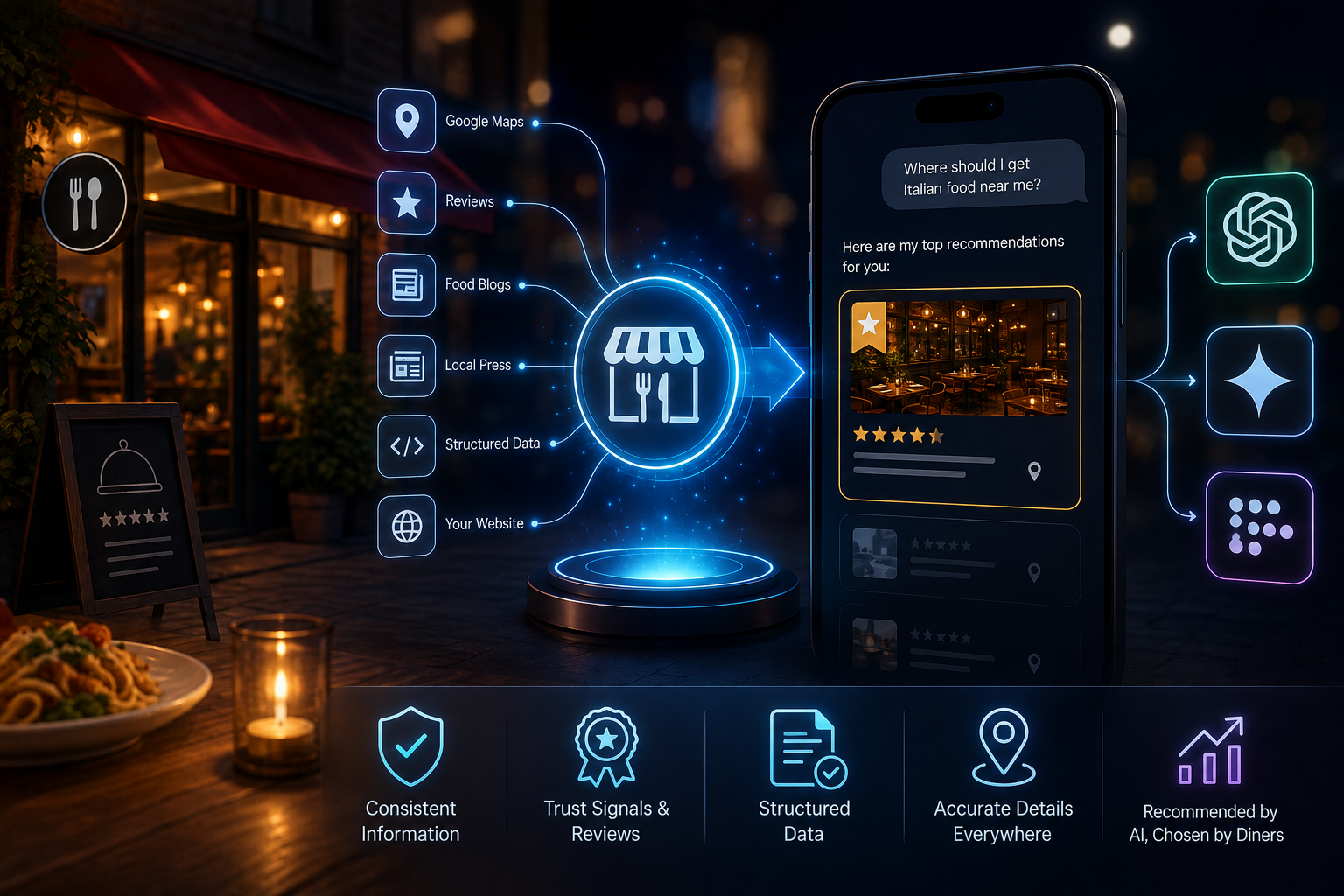
Lean Harder on Local SEO and AI Visibility During Slow Months
When fewer people are actively planning to eat out, being the answer they find matters even more.
Keep your Google Business Profile updated with current hours and seasonal specials
Make sure AI tools like ChatGPT can accurately describe your current offerings when diners ask for recommendations nearby
Refresh your website content to reflect any off-season promotions so it stays relevant to what people are actually searching for
Respond promptly to reviews during quiet months, since fewer new reviews come in and each one carries more visible weight
Restaurants that stay visible during quiet months are the ones diners remember once demand picks back up, rather than businesses that quietly went dark for a season and had to rebuild awareness from scratch.
Reactivate Past Customers With Direct Outreach
Your existing customer list is one of the most underused assets during a slow season.
Send a short "we miss you" email or text with a modest incentive to return
Highlight what's new since their last visit, like a menu update or event
Segment outreach so recent visitors and long-lapsed customers get slightly different messaging
Keep the tone personal rather than promotional, since a genuine invitation tends to outperform a generic discount blast
Reaching people who already like your food is almost always cheaper than acquiring brand-new customers, and it tends to convert faster too, since the trust is already built.
Host Small Events to Create a Reason to Show Up
Slow nights are the perfect opportunity to try low-cost events that fill seats without needing a big marketing push.
A themed trivia or live music night on your quietest weekday
A chef's table or tasting event that showcases a few signature dishes
A local partnership, like hosting a small business networking evening
A seasonal cooking demonstration that gives customers a reason to arrive early and stay longer
Even modest turnout from an event often brings repeat visits afterward from attendees who hadn't been in for a while, turning a quiet night into a longer-term relationship.
Myth vs Reality: Off-Season Restaurant Sales Misconceptions
Myth: "There's nothing to do but wait out a slow season." Reality: Deliberate offers, outreach, and visibility efforts can meaningfully soften an off-season dip, even if they can't eliminate it entirely, and consistent effort compounds over multiple slow seasons.
Myth: "Discounting everything is the fastest way to increase restaurant sales." Reality: Broad discounts often shrink margins without building loyalty, while targeted, limited-time offers tend to drive both visits and repeat business without training customers to expect a deal every time.
Myth: "Marketing spend should shrink when sales are already down." Reality: Cutting visibility efforts during a slow season often makes the dip worse, since fewer people are actively searching, so standing out matters even more, not less.
Myth: "Events are only worth it if they sell out." Reality: Even a modest turnout can convert into new regulars, and the content generated from the event often outlasts the night itself on social media, quietly extending its value for weeks.
Building an Off-Season Routine That Actually Works
None of these tactics need to launch all at once. Start with one seasonal offer and a round of outreach to lapsed customers, then layer in local SEO updates and a small event once you see what's resonating with your specific audience. Track which tactics actually moved the needle each season, so next year's slow stretch starts with a proven plan instead of guesswork. Restaurants that treat the off-season as a planning opportunity, rather than a stretch to survive, are the ones that come out of it with steadier sales and a stronger base of regulars than when it started.
Comments
Log in or sign up to join the conversation.