

Introduction
According To techsci Research, The Global In Vehicle Video Surveillance Market will grow from USD 4.45 Billion in 2025 to USD 15.34 Billion by 2031 at a 22.91% CAGR.
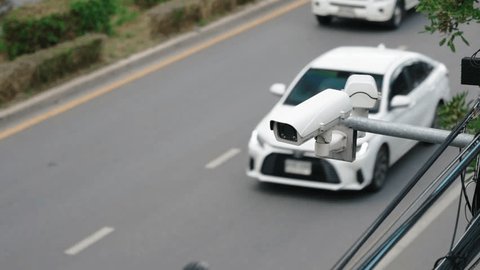
The Global In-Vehicle Video Surveillance Market has emerged as one of the fastest-growing segments within the intelligent transportation and automotive security industry. The increasing need for enhanced passenger safety, fleet management efficiency, crime prevention, driver monitoring, and regulatory compliance has accelerated the adoption of advanced video surveillance systems across commercial vehicles, public transportation, emergency fleets, and passenger automobiles. As transportation ecosystems become increasingly connected and digitalized, organizations are investing in intelligent surveillance technologies that provide real-time visibility, incident recording, predictive analytics, and operational intelligence.
Modern in-vehicle surveillance solutions extend far beyond traditional dashboard cameras. Today's systems integrate Artificial Intelligence (AI), cloud computing, edge analytics, facial recognition, automatic event detection, GPS tracking, Internet of Things (IoT), and high-definition imaging technologies to create comprehensive vehicle monitoring ecosystems. These platforms not only record events but also analyze driver behavior, monitor passenger activity, identify safety violations, optimize fleet performance, and support rapid incident investigations.
Request For Sample Copy of Report For More Detailed Market insight
Industry Key Highlights
Market projected to reach USD 15.34 billion by 2031.
Strong CAGR driven by transportation digitalization.
AI-powered surveillance transforming fleet security.
Commercial vehicles emerging as a major growth segment.
Cloud-based video management gaining widespread adoption.
Driver behavior analytics improving road safety.
Smart city initiatives supporting surveillance deployment.
North America maintaining market leadership.
Rising integration of IoT and telematics.
Growing investment in intelligent transportation systems.
Market Overview
Growing urbanization, expanding logistics operations, and increasing public transportation networks have significantly elevated the importance of in-vehicle surveillance technologies. Fleet operators require comprehensive visibility into vehicle operations to improve safety, reduce insurance costs, enhance operational efficiency, and ensure compliance with transportation regulations.
Governments worldwide are strengthening transportation safety standards while encouraging deployment of intelligent surveillance technologies across buses, trains, taxis, emergency response vehicles, school buses, and commercial fleets.
Organizations increasingly recognize video surveillance as both a security solution and a business intelligence tool. Recorded video combined with AI analytics enables operators to optimize routes, monitor driver performance, investigate accidents, prevent fraud, reduce theft, and improve customer experiences.
Emerging Trends
Artificial Intelligence Driving Intelligent Surveillance
Artificial Intelligence is revolutionizing in-vehicle video surveillance through automated object recognition, facial detection, driver fatigue monitoring, distraction analysis, and abnormal event detection.
AI-powered analytics automatically identify unsafe driving behavior, unauthorized vehicle access, aggressive driving, distracted operators, and unusual passenger activities.
Cloud-Based Video Management
Cloud platforms are replacing conventional storage systems by enabling centralized video access, remote monitoring, automated backups, and scalable storage infrastructure.
Fleet managers can access surveillance footage from multiple locations while reducing hardware maintenance costs.
Driver Monitoring Systems
Advanced cameras continuously monitor driver alertness, fatigue, mobile phone usage, smoking, seatbelt compliance, and attention levels.
These intelligent monitoring capabilities help reduce accidents while improving driver accountability.
Edge Computing
Edge computing enables surveillance cameras to process video locally rather than transmitting every recording to centralized servers.
This reduces bandwidth consumption, accelerates threat detection, and supports real-time decision-making.
Integration with Smart Transportation
Video surveillance increasingly integrates with telematics, GPS, IoT sensors, automatic passenger counting, traffic management systems, and fleet analytics platforms.
This integration provides transportation authorities with comprehensive operational intelligence.
Major Market Drivers
Increasing Road Safety Requirements
Governments and transportation operators continue prioritizing passenger and driver safety through mandatory surveillance deployments.
Video evidence supports accident investigations while improving regulatory compliance.
Growing Commercial Fleet Operations
Rapid expansion of logistics, e-commerce, ride-sharing, and public transportation services has increased demand for intelligent surveillance systems.
Fleet operators seek technologies capable of improving efficiency while minimizing operational risks.
Expansion of Smart Cities
Smart city initiatives increasingly include intelligent transportation infrastructure incorporating surveillance, connected traffic management, AI analytics, and real-time monitoring.
Insurance and Liability Reduction
Video evidence reduces fraudulent insurance claims while supporting legal investigations and improving claims resolution.
Organizations increasingly deploy surveillance technologies to minimize financial risks.
Digital Transformation
Connected vehicles, cloud infrastructure, AI analytics, and IoT technologies continue driving modernization across transportation ecosystems.
Market Opportunities
The market offers significant opportunities across autonomous vehicles, electric mobility, public transportation modernization, school transportation safety, logistics optimization, and connected commercial fleets.
Growing demand for predictive analytics, automated incident detection, passenger behavior analysis, and integrated fleet intelligence platforms is expected to create new revenue opportunities for technology providers.
Developing economies investing in transportation modernization also present attractive long-term opportunities.
Segment Analysis
By Vehicle Type
Commercial vehicles represent one of the fastest-growing segments due to expanding logistics operations, fleet modernization, and increasing regulatory requirements.
Public transportation agencies increasingly deploy surveillance systems across buses, trains, and metro systems to improve passenger safety.
Passenger vehicles are witnessing increasing adoption of intelligent dashboard cameras and AI-powered driver monitoring systems.
Emergency response vehicles continue integrating advanced surveillance technologies to improve operational awareness.
By Technology
AI-enabled surveillance solutions represent the fastest-growing technology segment due to intelligent analytics, automated event detection, predictive monitoring, and behavioral analysis.
IP-based systems continue replacing analog infrastructure because of superior image quality, scalability, and remote accessibility.
By Component
Hardware maintains significant market demand through cameras, sensors, storage devices, and communication modules.
Software platforms increasingly support centralized monitoring, analytics, evidence management, and fleet intelligence.
Professional services—including installation, maintenance, consulting, and managed surveillance—continue expanding alongside technology deployments.
Regional Analysis
North America continues leading the global market due to advanced transportation infrastructure, strong regulatory frameworks, significant technology investments, and widespread adoption of intelligent transportation systems.
Europe follows closely with increasing investments in public transportation modernization and road safety initiatives.
Asia-Pacific is expected to register the fastest long-term growth due to rapid urbanization, expanding logistics networks, smart city investments, and growing commercial vehicle fleets.
Latin America and the Middle East & Africa are also witnessing increasing surveillance adoption across public transportation and commercial fleet operations.
Competitive Landscape
Key Market Players
Honeywell International Inc.
L3Harris Technologies, Inc.
Verizon Communications Inc.
Samsara Inc.
Hangzhou Hikvision Digital Technology Co., Ltd.
L3Harris Technologies, Inc.
Complete Innovations Inc.
Geotab Inc.
Continental AG
Robert Bosch GmbH
Future Outlook
The future of the Global In-Vehicle Video Surveillance Market remains exceptionally promising as transportation systems continue becoming smarter, safer, and increasingly connected.
Artificial Intelligence, autonomous driving technologies, 5G connectivity, cloud computing, edge analytics, and predictive maintenance will continue transforming surveillance capabilities.
Growing emphasis on public safety, fleet efficiency, regulatory compliance, and intelligent mobility will sustain long-term investment across both public and private transportation sectors.
10 Benefits of the Research Report
Comprehensive market forecasts and growth projections.
Detailed segmentation across vehicle types and technologies.
Analysis of emerging industry trends.
Identification of major growth drivers.
Evaluation of market challenges and opportunities.
Regional investment insights.
Competitive benchmarking of major companies.
Strategic guidance for investors and stakeholders.
Technology adoption analysis.
Support for long-term business planning.
Key Highlights
Strong market growth through 2031.
AI transforming intelligent surveillance.
Commercial vehicles driving adoption.
Cloud-based video management expanding rapidly.
Driver monitoring improving road safety.
Smart city investments accelerating deployments.
North America maintaining market leadership.
Increasing telematics integration.
Rising demand for predictive analytics.
Continuous innovation strengthening market competitiveness.
Main Drivers & Trends
Transportation digitalization.
AI-powered surveillance.
Smart fleet management.
Connected vehicle technologies.
Cloud video platforms.
Driver monitoring systems.
Growing logistics industry.
Public transportation modernization.
Regulatory safety requirements.
Edge computing adoption.
Real-World Use Cases
Public buses monitoring passenger safety.
Logistics fleets reducing cargo theft.
School buses improving student security.
Ambulances recording emergency response operations.
Ride-sharing companies enhancing passenger protection.
Fleet managers analyzing driver performance.
Insurance companies verifying accident claims.
Smart cities optimizing transportation operations.
Contact US:
Techsci Research LLC
420 Lexington Avenue, Suite 300,
New York, United States- 10170
Tel: +13322586602
Email: [email protected]
Comments
Log in or sign up to join the conversation.