
Construction quality depends on accurate inspections, timely communication, and effective management of defects. As projects become larger and more complex, traditional paperwork and spreadsheets can make it difficult to monitor issues and maintain reliable records. Digital inspection platforms provide construction professionals with organized tools for recording site observations, assigning corrective actions, monitoring progress, and preparing projects for completion. The right technology can simplify workflows while supporting better coordination across every stage of construction.
A modern Punch List Software platform allows project teams to create, manage, and monitor punch list items from one centralized system. Inspectors can document unfinished work, assign responsibilities, add photographs, and set deadlines. Project managers can then track outstanding items and verify completed tasks without relying on multiple spreadsheets or paper documents. This creates a more transparent process and helps teams maintain better control over project completion.

Construction professionals can also benefit from Snagging Inspection Software when identifying workmanship issues during site inspections. Snags can be recorded immediately with descriptions, photographs, locations, and priorities. Once an issue is assigned to the appropriate contractor, progress can be monitored digitally. This structured approach helps reduce communication gaps and provides teams with a clear record of what needs attention before a project moves forward.
Large developments often involve numerous contractors and thousands of individual tasks. Construction Defect Management Software helps organize these issues according to project area, category, severity, responsible person, or completion status. Centralized defect information allows managers to quickly understand current conditions and identify unresolved problems. Historical records can also help teams review recurring issues and improve future construction practices.
Another valuable solution is Defect Inspection Software, which supports consistent inspection procedures across different projects. Digital checklists can help inspectors follow established requirements and record findings in a standardized format. Instead of maintaining separate inspection documents, teams can store observations in one accessible system. This can improve documentation while making it easier to review inspection results when required.
Project completion requires careful preparation, especially when properties are being transferred to clients or owners. Handover Inspection Software can help teams manage final inspections and outstanding corrective work. Inspectors can record remaining defects, assign responsibilities, and monitor completion before handover. A structured digital process can make final-stage coordination easier while providing a detailed record of completed inspections and corrective actions.
For routine property assessments, Building Inspection Software provides practical tools for capturing information about building conditions. Inspection teams can document findings while working on-site and organize information according to floors, rooms, building sections, or specific assets. Digital records can be accessed later for reporting, maintenance planning, and follow-up inspections, helping organizations maintain a consistent history of building conditions.
Quality management should be integrated into daily construction activities rather than treated as a final-stage responsibility. Quality Assurance Inspection Software supports this approach by allowing teams to perform scheduled inspections, use standardized checklists, and document results. Managers can review inspection information and identify areas requiring additional attention. Consistent documentation also supports greater accountability among project participants.
A comprehensive Construction QA Software solution can connect inspection activities with corrective action management. When a quality issue is identified, it can be assigned to a responsible team member along with a target completion date. Supervisors can monitor progress and verify corrective work after completion. This creates a continuous workflow that connects quality checks with actual project actions.
Effective issue tracking becomes increasingly important as construction teams manage multiple locations and subcontractors. Defects Management Software provides a centralized environment where defects can be recorded, categorized, assigned, updated, and closed. Notifications and status changes can keep relevant team members informed, while dashboards can provide managers with an overview of unresolved issues and completed actions.
Mobile technology adds further convenience to field inspection activities. A Construction Punch List App allows supervisors and inspectors to document findings directly from smartphones or tablets. Instead of taking handwritten notes and entering them later, field teams can capture information immediately. Photos, comments, priorities, and assignments can be added while an issue is visible, improving the speed and accuracy of reporting.
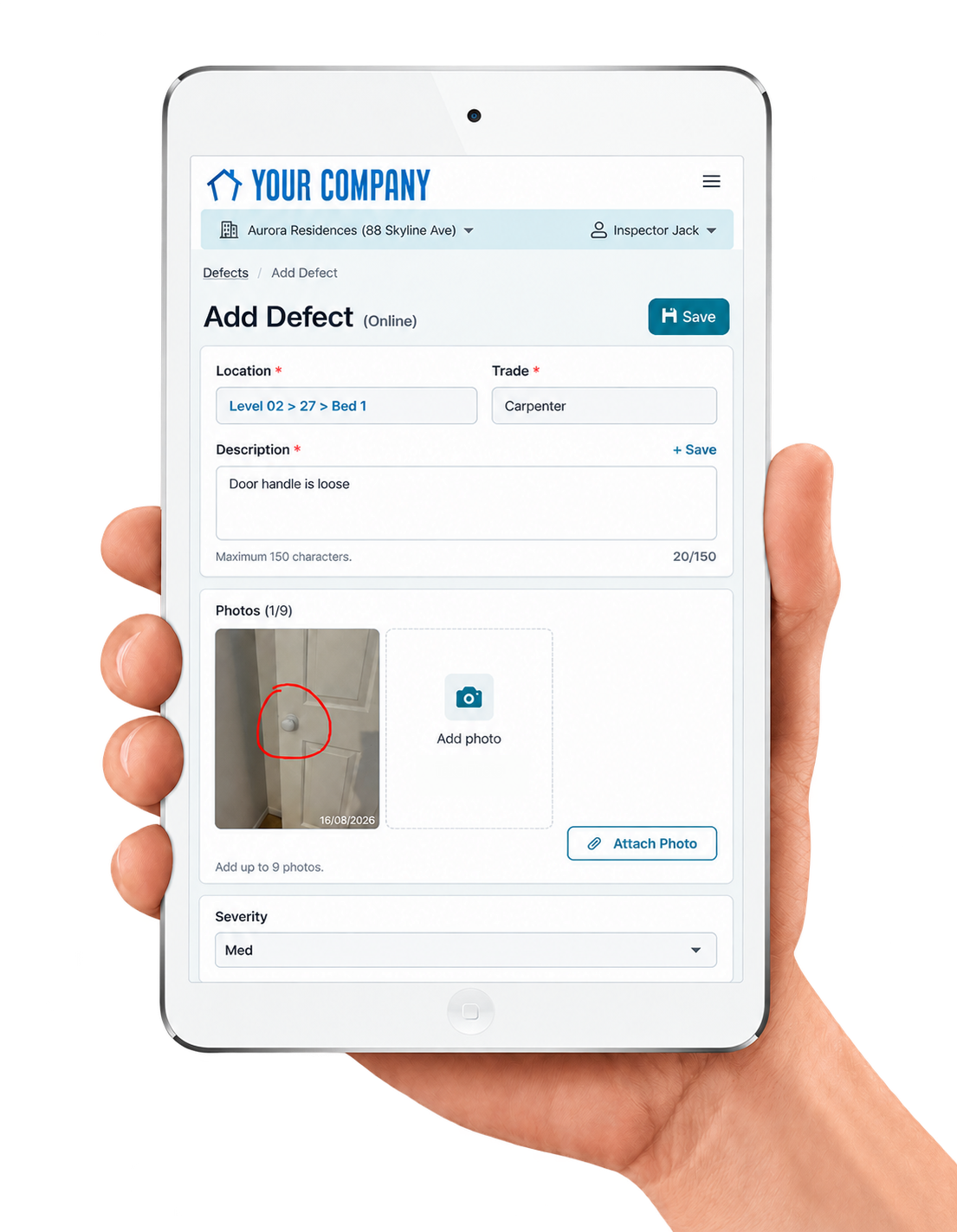
For organizations looking to modernize construction inspection processes, Inspecta Mate offers a digital approach to managing inspections, defects, quality checks, and project documentation. Centralizing important information can make collaboration easier and help project teams maintain better visibility throughout the construction lifecycle.
From initial inspections to final handover, digital technology can transform how construction teams manage quality. Inspecta Mate supports a structured workflow where issues can be recorded, assigned, monitored, and verified. By reducing fragmented documentation and improving access to project information, digital inspection solutions can help teams create more organized processes, strengthen communication, and maintain dependable quality records from project beginning to completion.
Comments
Log in or sign up to join the conversation.