

In modern commercial baking, consistency, efficiency, and product quality are essential for long-term success. One of the most important stages in bakery production is proofing, where dough is given the right conditions to ferment, rise, and develop its desired structure. Choosing suitable proofing equipment can significantly improve production results while reducing manual effort. Professional bakeries increasingly rely on Intermediate Proofers, Dough Proofers, Proofer Cabinets, and Retarder Proofer Cabinets to create controlled proofing environments and maintain dependable production schedules.
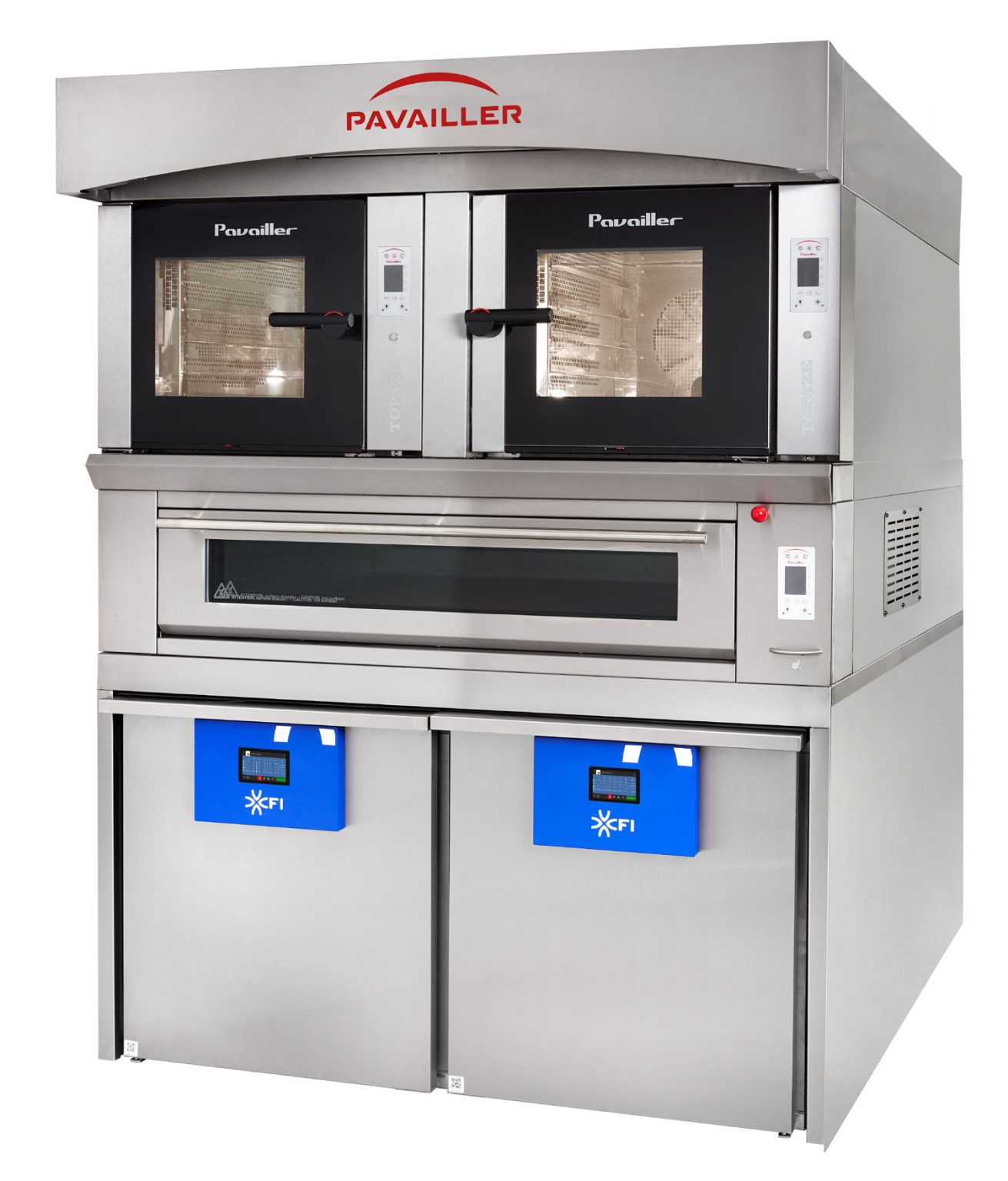
Understanding Intermediate Proofers
Intermediate Proofers are designed to provide dough with controlled resting conditions between different stages of the production process. After dividing and rounding, dough often requires an intermediate rest before moulding or shaping. This resting period allows the gluten structure to relax, making the dough easier to handle and helping achieve better final volume.
A properly designed intermediate proofing system can improve production flow by allowing dough pieces to rest under controlled temperature and humidity. This is particularly useful for bakeries producing bread, rolls, buns, and other yeast-based products in substantial quantities. Consistent resting conditions also help reduce variations between batches, supporting uniform product quality.
Benefits of Dough Proofers
Dough Proofers are essential equipment for controlling the fermentation environment. Temperature and humidity have a direct effect on yeast activity, dough development, texture, and volume. When these conditions are carefully maintained, bakers can achieve more predictable results throughout the production cycle.
Commercial proofers provide a controlled environment that helps prevent dough from becoming excessively dry or developing an uneven surface. Proper humidity helps maintain moisture, while controlled temperature supports steady fermentation. This level of consistency is difficult to achieve manually, especially in large-scale bakery operations.
Another major advantage is production efficiency. Automated or semi-automated proofing equipment reduces the need for constant environmental adjustments. Bakers can therefore concentrate on mixing, shaping, baking, quality control, and other important production activities.
Why Proofer Cabinets Matter
Proofer Cabinets offer a practical solution for bakeries that require controlled proofing without installing a large proofing chamber. Their compact and organized design makes them suitable for bakeries with limited production space or businesses that need flexible equipment arrangements.
These cabinets are designed to maintain appropriate environmental conditions around dough pieces during fermentation. Adjustable temperature and humidity settings allow operators to accommodate different recipes and production requirements. Whether preparing bread loaves, buns, pastries, or specialty products, consistent proofing can contribute to improved shape, texture, volume, and appearance.
A well-maintained proofer cabinet can also support better workflow organization. Dough trays can be arranged systematically, allowing employees to monitor different batches efficiently. This makes production more predictable and can help minimize unnecessary delays.
Retarder Proofer Cabinets for Flexible Production
For bakeries looking for greater control over production schedules, Retarder Proofer Cabinets provide an advanced solution. These systems combine retarding and proofing functions, allowing bakers to slow fermentation and later bring dough to the required proofing stage.
Retarding can be especially valuable when production needs to be planned around specific baking times. By carefully controlling temperature, bakeries can manage fermentation overnight or during extended periods. The dough can then be brought gradually into suitable proofing conditions before baking.
This flexibility can help bakeries prepare products in advance while maintaining quality. It is particularly beneficial for businesses supplying restaurants, hotels, supermarkets, cafés, and other customers where fresh products are expected at specific times.
Choosing the Right Proofing Equipment
Selecting proofing equipment should be based on production capacity, available space, product requirements, energy efficiency, and desired automation. Small and medium-sized bakeries may benefit from compact Proofer Cabinets, while larger operations may require dedicated Dough Proofers or integrated systems.
Bakeries should also consider temperature and humidity control, construction quality, ease of cleaning, tray capacity, accessibility, and maintenance requirements. Reliable equipment should provide stable conditions throughout the proofing process and remain practical for daily commercial use.
The right equipment can improve production consistency while helping employees work more efficiently. Investing in dependable proofing technology is therefore not simply an equipment purchase; it is a step toward building a more controlled and productive bakery operation.
Supporting Better Bakery Results
Professional proofing equipment plays an important role in transforming carefully prepared dough into high-quality baked products. From intermediate resting to controlled fermentation and scheduled proofing, each stage benefits from stable environmental conditions. Intermediate Proofers can improve dough handling, while Dough Proofers provide reliable fermentation environments. Proofer Cabinets offer convenient controlled proofing, and Retarder Proofer Cabinets add valuable
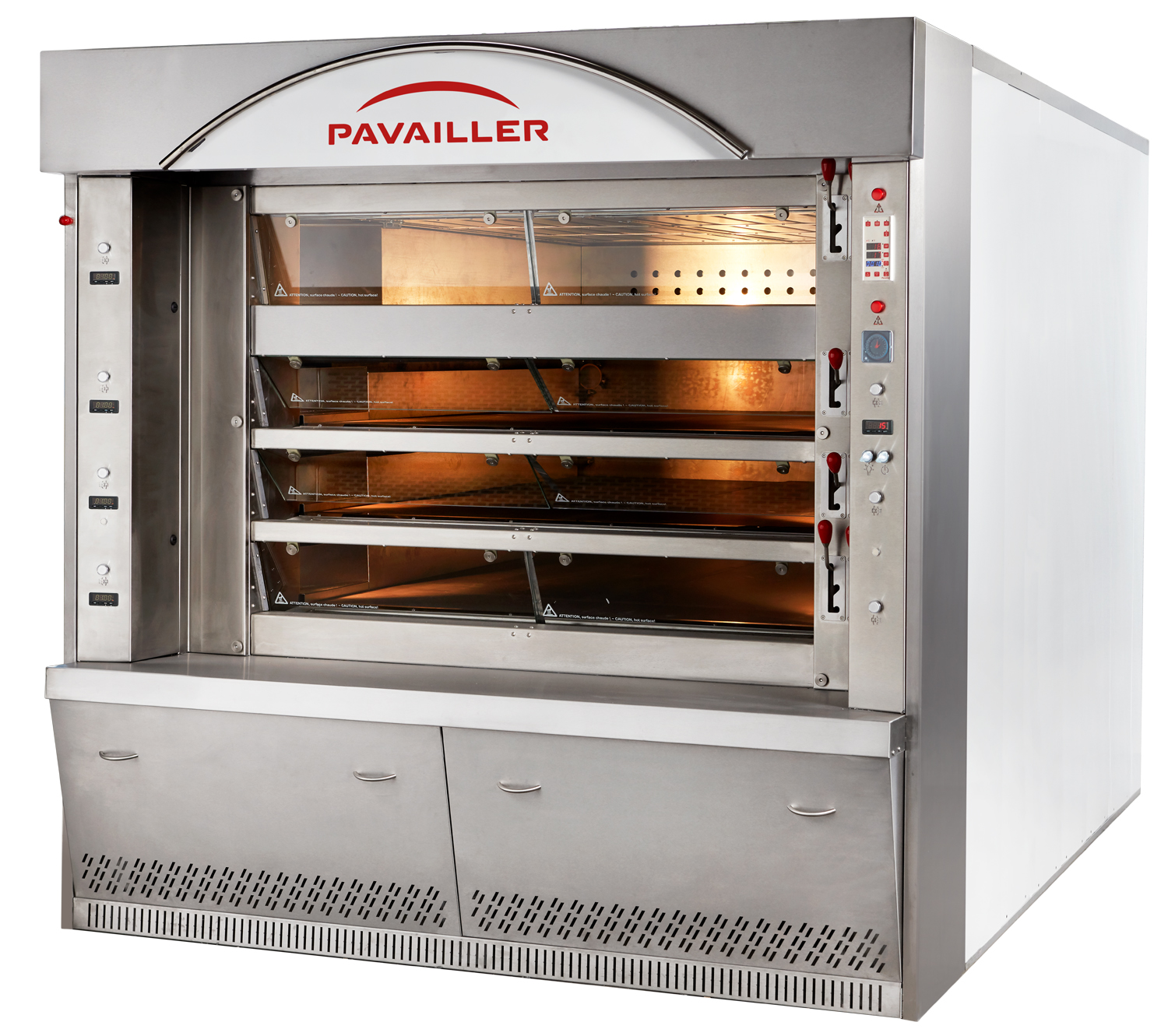
TFB Bakery Equipment provides bakery-focused solutions designed to support efficient production and dependable processing. By selecting equipment that matches their recipes, production volume, workspace, and operational goals, bakery owners can create a more organized workflow and achieve greater consistency across batches.
Ultimately, effective proofing is about precision and control. With the appropriate proofing technology, bakeries can manage fermentation more efficiently, improve product uniformity, reduce production uncertainty, and maintain the quality customers expect. As bakery operations continue to evolve, investing in reliable proofing equipment remains an important strategy for improving productivity, consistency, and long-term business performance.
Comments
Log in or sign up to join the conversation.