

Credit cards make our lives easier in many ways. They allow you to make big purchases without breaking the bank, handle a cash crunch without having to borrow money from friends or family, and even help improve credit rating which makes getting a loan easier. However, there are all kinds of cards available in the market and it’s important that you pick the one that aptly meets your requirements.
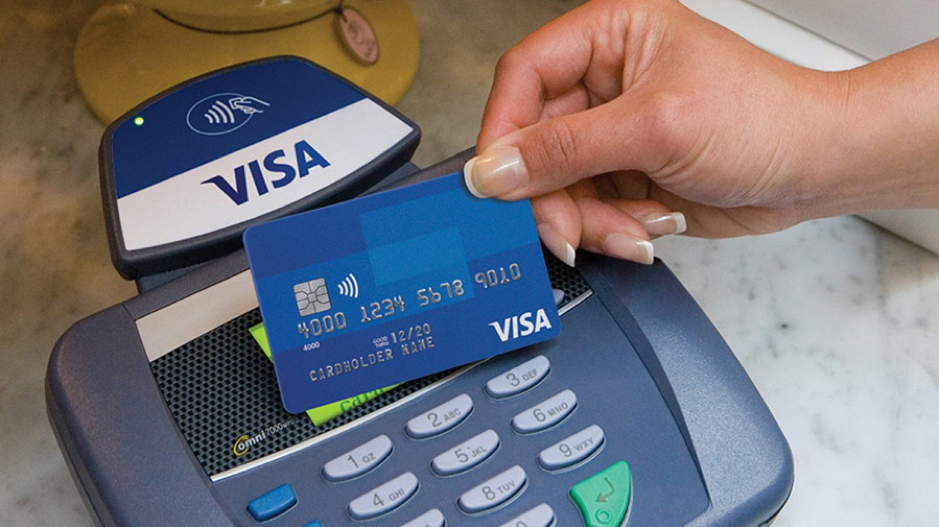
The following are some of the most important factors to consider when comparing your credit card options:
1. Credit Limit
There are various ways to get the most out of your credit card including travel miles, discounts, etc. However, you can’t maximize these benefits unless your card issuer is offering an appropriate credit limit which is the maximum amount you can spend with your card.
Not only a lower credit limit restricts your financial freedom, it raises the risk of overspending which directly hurts the credit score. So, you should look for cards that are offering a credit limit high enough to cover your monthly expenses easily.
2. Interest Rate
No matter what type of credit card you pick, a lower interest rate is always favorable. However, don’t fall for the “0% interest rate” gimmick which is usually more of an introductory rate that’s boldly advertised to lure the customers. The actual interest rate becomes applicable after a certain period, and if it’s high, then you can end up in a huge financial mess. In fact, 0% interest credit card deals have lured many into debt. So, when you get a deal like this, keep these points in mind:
- Always inquire the card issuer about the regular interest rate that becomes effective after the promotional period ends.
- To qualify for lower interest rates, your credit score should be high.
3. Spending Habits
You can’t pick the right card unless you understand your spending habits first. So, before you start comparing the options, you must ask yourself whether you plan to pay off the bills in full every month or it’s possible that you may need to carry a balance from time to time.
If you think you will be able to pay the bills easily, then you needn’t bother much about the interest rate offered. Although you still want a card that comes with no annual fee.
If you anticipate carrying a balance, then the interest rate matters a lot. This is because the higher the rate, the bigger is the debt generated. Naturally, in this situation, you want a credit card with the lowest possible interest rate as well as a low introductory rate. Other than that, it’s a good idea to keep a list of no fee balance transfer credit cards. This is in case your debt becomes too high for you to repay, then you can transfer the balance to a new credit card that offers low to no interest rate for a certain period sans a balance transfer fee.
4. Fees and Penalties
There are various types of fees and penalties associated with different types of credit cards which you can check below. However, not all of them apply to all types of credit cards.
- Late payment fee: When you don’t pay a credit card bill either in full or as the “minimum payment”, your card issuer may levy a fine. In addition to that, if the payment is delayed for more than 30 days, you also risk hurting your credit score.
- Annual fee: This is a fixed fee you pay every year, which is common in travel cards. However, you shouldn’t reject credit cards with high annual fee right away. In some cases, the advantages like signup bonuses, rewards, etc. outweigh the high fee.
- Balance transfer fee: As mentioned earlier, this is the fee that you pay when you transfer your current credit card balance to a different card, which is also one of the most common strategies to deal with debt in a rising rate environment. It usually ranges from 3% to 5% of the amount transferred. However, you can find some good cards that charge nothing for the facility.
- Foreign transaction fee: This is a fee you have to pay on transactions made outside of your home country. It can be anywhere between 1% to 3% of the transaction amount which is not small by any means. So, if you travel frequently, then it’s best to get a travel credit card instead which waives the fee.
5. Perks and Rewards
A large number of credit card providers offer incentives in the form of discounts, cashback offers, and loyalty programs that allow you to earn reward points that are redeemable at particular stores. So, it’s another important factor to consider when weighing your options.
If you frequently shop online, then you can get select credit cards that offer flat discounts on all the online purchases. For instance, Amazon’s own credit card i.e. Amazon Prime Card offers 5% cash back for purchases on its online store. Similarly, Barclaycard Arrival Plus World Elite MasterCard offers discounts on online purchases as well as double travel miles that you can redeem towards any travel purchase.
Conclusion
In this increasingly digital world where cashless payments are becoming more of a norm, one is spoilt for choice when it comes to credit cards. However, you can’t simplify the selection process as each card comes with its share of advantages and you must select the one that is perfect for your needs.
Comments
Log in or sign up to join the conversation.