

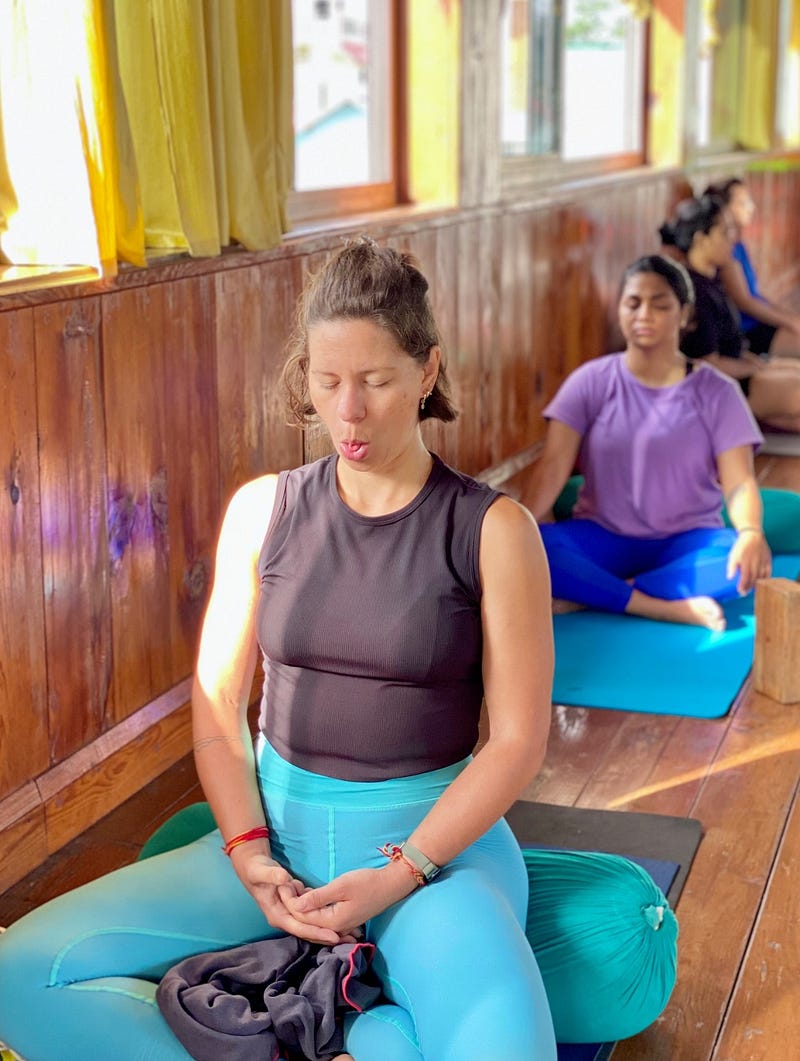
Yoga and meditation, rooted in ancient Indian tradition, are now recognized worldwide for their holistic health benefits. They combine physical postures, controlled breathing, and mindfulness to strengthen the body and calm the mind.
Spiritual teacher Sadhguru notes that meditation “means to go beyond the limitations of the physical body and the mind”, highlighting its role in achieving deeper fulfillment beyond material comforts.
Modern research confirms these practices enhance well-being: regular yoga can boost strength and flexibility and reduce stress, while meditation lowers anxiety and improves focus. Together, yoga and meditation are “scientific tools” for expanding one’s awareness and improving quality of life.
Physical and Mental Health Benefits of Yoga
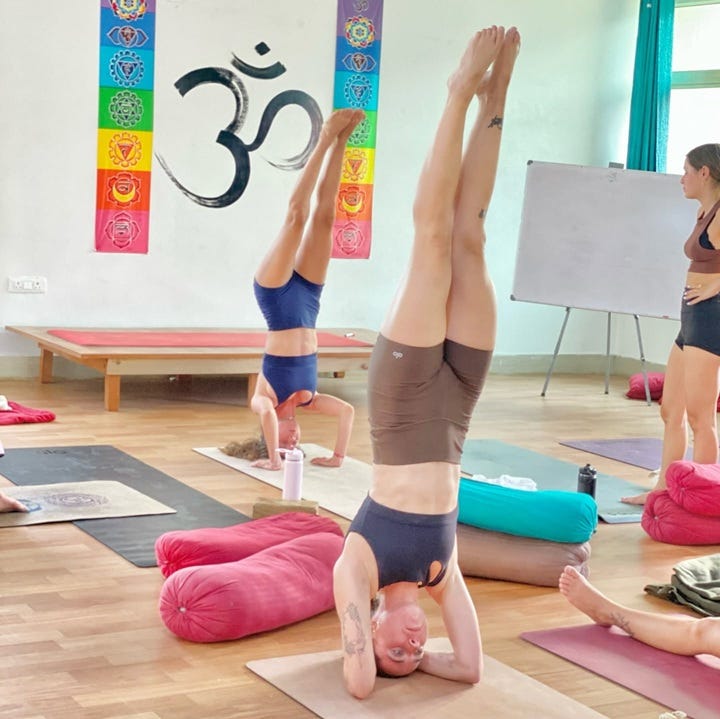
Regular yoga practice offers widespread physical and mental benefits. It improves strength, balance, and flexibility, as slow postures and mindful breathing warm muscles and build core strength. Over time, yoga can ease chronic pain: it relieves lower back pain and arthritis symptoms through gentle stretching and mobility. Notably, yoga also supports heart health-by reducing stress and inflammation, it helps control blood pressure and weight, contributing to a healthier cardiovascular system. These physical gains are accompanied by better rest and mood: practitioners report improved sleep, increased energy, and reduced anxiety. In fact, the NIH notes that yoga supports stress management and mental health, helping people sleep and feel better. In short, yoga’s blend of movement and mindfulness makes you stronger and more relaxed simultaneously.
Meditation for Mental Wellness
Meditation is the practice of calming and training the mind. As Sadhguru explains, it is a way to transcend “the limitations of the body and mind” and tap into a larger inner experience. Modern studies back this up: even brief daily meditation can reduce stress hormones and anxiety levels. Over time, regular meditation is shown to improve mood, focus, and memory. For example, research finds that mindfulness practice increases attention span and clarity of thinking. Meditation also fosters emotional balance and self-awareness, helping practitioners handle life’s challenges with a more positive outlook. In essence, meditation training makes the mind calmer and more resilient, complementing the physical benefits of yoga.
200-Hour Yoga Teacher Training in India
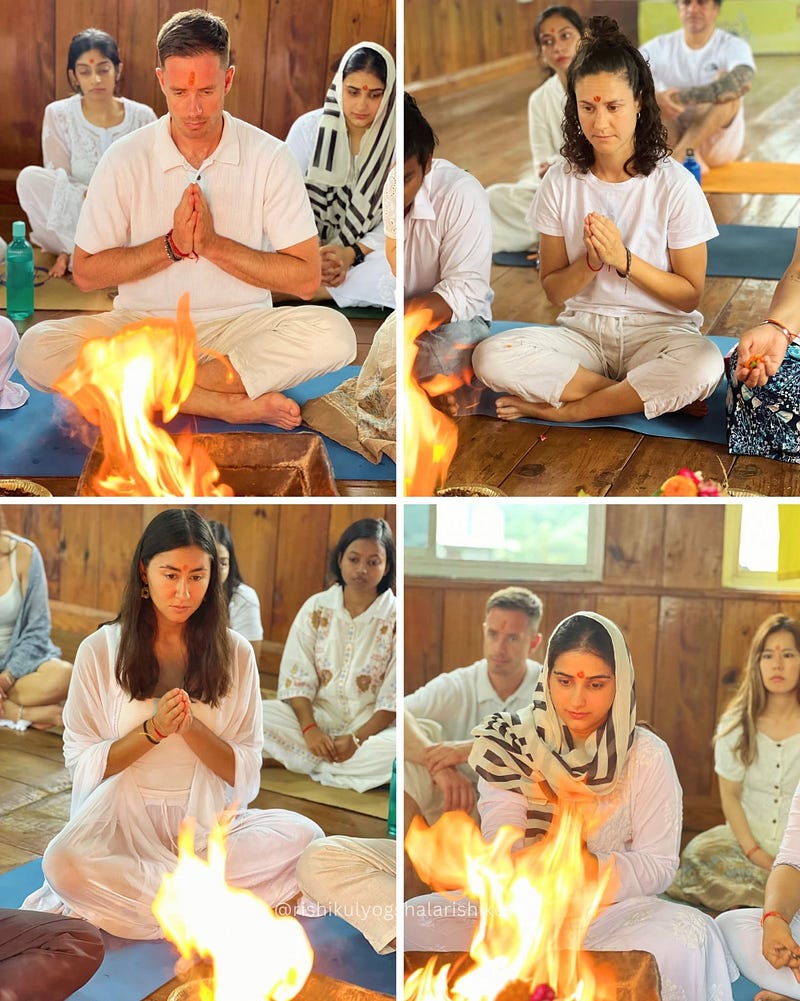
For those inspired to deepen their practice or teach others, a 200 hour Yoga Teacher Training in India is the standard foundation course. These intensive residential programs typically run 3–4 weeks and cover a comprehensive curriculum: multiple yoga styles (e.g. Hatha, Ashtanga), pranayama (breathing), meditation, anatomy, philosophy and teaching methods. In India, yoga schools leverage the immersive setting of ashrams to remove distractions, allowing students to “absorb more in three weeks than most people do in a year of weekend classes”. Graduates earn an internationally recognized certification — in particular, they qualify to register as RYT-200 (Registered Yoga Teacher) with Yoga Alliance. Yoga Alliance defines RYS-200 courses as covering “essential techniques, teaching methodology, and philosophy”. In practice, this means by the end of a 200-hour program you have a solid personal practice and the skills to lead basic yoga classes.
Rishikul Yogshala Rishikesh: Yoga Courses and Certification
Rishikesh often called the yoga capital of the world — hosts many training centers. Rishikul Yogshala Rishikesh is one leading school that offers certified yoga programs in India. Its 23-day residential 200-Hour Yoga Teacher Training is accredited by Yoga Alliance (USA) and recognized by India’s Ministry of AYUSH. Rishikul’s curriculum includes Hatha and Ashtanga postures, pranayama, meditation, anatomy, and yoga philosophy. Classes are taught by experienced E-RYT-500 instructors (teachers with 500+ hours and 10–15+ years’ experience), ensuring personalized attention.
Certified Curriculum: Rishikul’s 200-hr program covers yoga asanas, pranayama, meditation, yoga philosophy (e.g. Patanjali’s Yoga Sutras), anatomy, and teaching methods.
Accreditation: The school holds Yoga Alliance USA RYS-200 registration and Ministry of AYUSH approval. Graduates receive a certificate qualifying them as RYT-200 instructors worldwide.
Experienced Teachers: All instructors are E-RYT certified, many having taught at Rishikul since 2010. Small batch sizes (20–25 students) allow deep feedback and support.
Student Success: Since 2010, Rishikul has certified 25,000+ students from 80+ countries. The school is highly rated (4.8/5 on Google, 4.7/5 on TripAdvisor) by graduates.
All-Inclusive Training: The course fee includes accommodation, sattvic meals, course materials and excursions to local sacred sites (e.g. Ganga Aarti by the river).
In short, Rishikul Yogshala exemplifies the Rishikesh yoga teacher training center experience, blending authentic tradition with modern standards. Its programs (including 100-hr refreshers and advanced 300/500-hr courses) are structured to meet Yoga Alliance and government standards.
Becoming a Certified Yoga Instructor
Completing a 200-hour program in India leads to a Yoga instructor certification recognized globally. Yoga Alliance’s designations define RYS-200 as foundational training and RYS-300/500 as advanced levels. After earning an RYT-200 certificate, one can progress to RYT-300 or RYT-500 training for deeper study. This certification opens doors to teaching in studios and wellness centers; many employers require (or prefer) a Yoga Alliance RYT credential. In addition to skill growth, trainees report personal transformation: the immersive experience often leads to improved discipline, confidence, and a supportive community of peers. Ultimately, whether one’s goal is personal enrichment or a new career, enrolling in a 200-hour yoga certification course in India like those offered in Rishikesh provides a comprehensive pathway to master yoga and share its benefits with others.
Comments
Log in or sign up to join the conversation.