
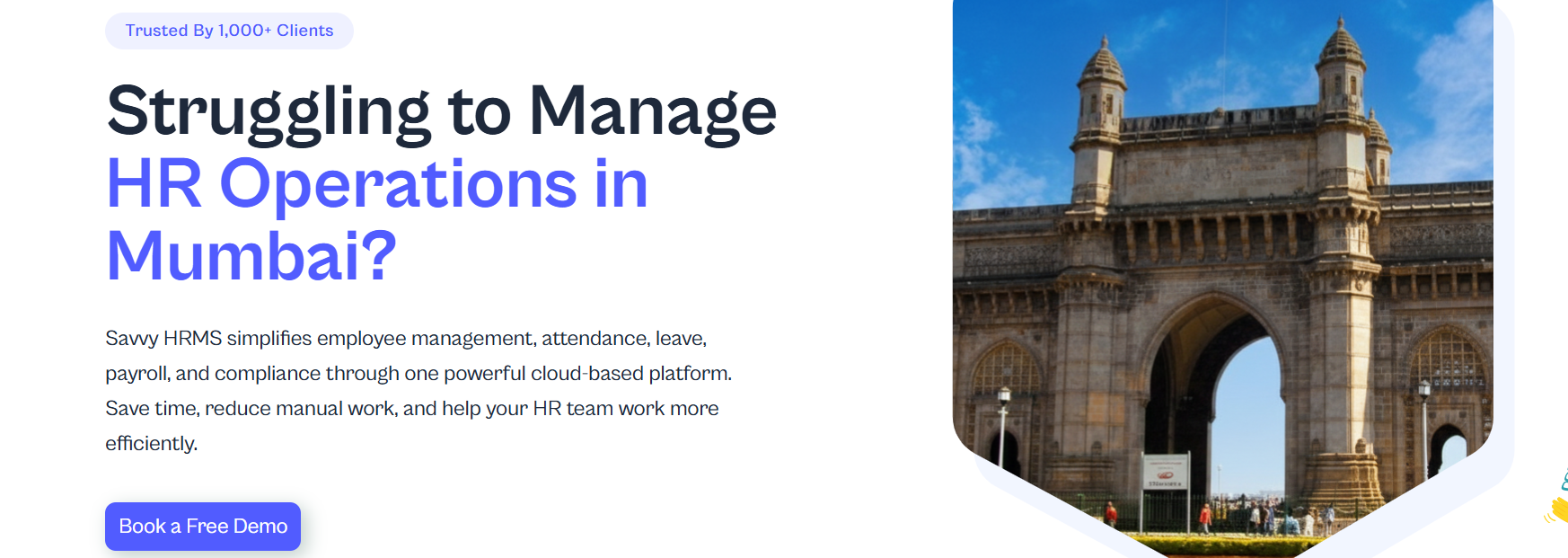
Mumbai is India's financial and commercial powerhouse, home to thousands of startups, growing businesses, and multinational corporations. In such a dynamic business environment, organizations face constant pressure to innovate, attract top talent, and adapt to changing market demands. While technology, infrastructure, and business strategy remain important, one factor continues to determine long-term success more than any other—people.
Today's workforce is vastly different from what it was a decade ago. Employees expect flexibility, digital experiences, career growth opportunities, and transparent workplace processes. At the same time, businesses must manage compliance, improve productivity, reduce turnover, and prepare for future workforce challenges. This is why many organizations are investing in HR Software in Mumbai to build future-ready workforces capable of supporting sustainable growth.
Modern HR software is no longer just an administrative tool. It has become a strategic platform that helps organizations manage talent, improve employee experiences, and create agile workplaces prepared for the future.
What Does a Future-Ready Workforce Mean?
A future-ready workforce is one that can adapt to changing technologies, evolving business models, and shifting employee expectations. These employees possess the skills, knowledge, and flexibility required to succeed in an increasingly digital world.
Organizations with future-ready workforces typically demonstrate:
Strong employee engagement
Continuous learning cultures
Effective workforce planning
High levels of productivity
Better employee retention
Faster adaptability to change
Creating such a workforce requires more than hiring talented individuals. Businesses need systems and processes that support employee development and workforce management at every stage.
Why Workforce Readiness Matters in Mumbai
Mumbai's competitive business landscape makes workforce readiness a necessity rather than an option.
Organizations face challenges such as:
Rapid business expansion
Intense competition for talent
Changing compliance requirements
Growing employee expectations
Hybrid work environments
Increasing demand for digital skills
Companies that fail to prepare their workforce risk falling behind competitors that are investing in employee development and digital transformation.
The Role of HR Software in Workforce Transformation
HR software provides the technological foundation required to build and manage a future-ready workforce.
Instead of relying on manual processes and disconnected systems, organizations can centralize workforce management and gain valuable insights into employee performance, skills, and development needs.
Modern HR software supports workforce transformation through:
Automation
Workforce analytics
Talent management
Employee engagement tools
Learning and development tracking
Strategic workforce planning
These capabilities help organizations prepare employees for future business requirements.
Creating a Strong Employee Lifecycle Experience
Building a future-ready workforce begins with creating a positive employee journey.
Every interaction an employee has with an organization influences their engagement and performance.
Recruitment and Hiring
Attracting the right talent is the first step toward workforce readiness.
HR software helps organizations streamline recruitment through:
Applicant tracking
Automated candidate screening
Interview scheduling
Recruitment analytics
These features improve hiring efficiency and help businesses identify qualified candidates faster.
Digital Onboarding
A well-structured onboarding process helps new employees become productive more quickly.
HR software enables organizations to automate onboarding tasks such as:
Document submission
Policy acknowledgments
Training assignments
Employee introductions
This creates a smooth transition for new hires and improves employee satisfaction from day one.
Encouraging Continuous Learning and Development
The skills required today may not be sufficient tomorrow.
As industries evolve, organizations must continuously invest in employee development.
HR software supports learning and development by enabling businesses to:
Track employee skills
Monitor training participation
Manage certifications
Identify skill gaps
Create development plans
This helps organizations ensure their workforce remains prepared for future challenges.
Identifying Skills Gaps
One of the biggest workforce challenges is understanding where skill shortages exist.
HR software provides visibility into employee competencies and training needs.
Organizations can proactively address skill gaps before they impact productivity or growth.
Improving Workforce Agility
Agility has become a critical business requirement.
Organizations must respond quickly to market changes, customer demands, and technological advancements.
HR software improves workforce agility by:
Providing real-time workforce visibility
Supporting flexible work arrangements
Streamlining communication
Automating administrative tasks
When employees spend less time navigating inefficient processes, they can focus more effectively on business priorities.
Employee Engagement as a Future Strategy
Engaged employees are more productive, innovative, and committed to organizational goals.
Employee engagement is not simply a human resources initiative—it is a business strategy.
HR software helps improve engagement through:
Self-Service Portals
Employees can independently access:
Attendance records
Payslips
Leave balances
Company policies
Personal information
This convenience improves employee satisfaction and reduces HR workloads.
Feedback and Surveys
Regular feedback helps organizations understand employee concerns and improve workplace experiences.
HR software enables businesses to gather employee insights through surveys and engagement assessments.
Recognition Programs
Employee recognition strengthens motivation and reinforces positive workplace behaviors.
Many HR systems include recognition tools that support employee appreciation initiatives.
Supporting Hybrid and Remote Workforces
The future workplace is increasingly flexible.
Many businesses in Mumbai now operate with hybrid or remote work models.
Managing distributed teams requires digital HR systems that provide accessibility and transparency.
HR software supports flexible work environments through:
Mobile accessibility
Cloud-based platforms
Remote attendance tracking
Digital document management
Online approval workflows
These features ensure consistent employee experiences regardless of location.
Using Workforce Analytics to Make Better Decisions
Future-ready organizations rely on data rather than assumptions.
HR software provides workforce analytics that help businesses understand:
Employee turnover trends
Productivity patterns
Recruitment effectiveness
Attendance behavior
Training outcomes
These insights enable leadership teams to make informed decisions regarding workforce planning and development.
Predicting Future Workforce Needs
Analytics can help organizations forecast future hiring requirements and identify potential workforce challenges.
This proactive approach improves resource planning and supports long-term growth.
Building Leadership Pipelines
Future workforce success depends heavily on leadership development.
Organizations must identify and develop future leaders before critical positions become vacant.
HR software helps businesses:
Track high-potential employees
Monitor performance trends
Create succession plans
Support leadership development programs
Strong leadership pipelines improve organizational stability and resilience.
Compliance and Workforce Sustainability
Future-ready organizations must also maintain compliance with labor regulations and statutory requirements.
HR software simplifies compliance management by automating:
Provident Fund calculations
ESI contributions
Professional Tax processing
Employee record maintenance
Regulatory reporting
This reduces compliance risks and ensures operational continuity.
Enhancing Organizational Productivity
Workforce readiness and productivity are closely connected.
Organizations with skilled, engaged, and supported employees consistently achieve better business outcomes.
HR software contributes to productivity improvements through:
Automated workflows
Faster approvals
Better communication
Workforce visibility
Reduced administrative burdens
These benefits allow employees and managers to focus on strategic work rather than routine tasks.
Emerging Technologies Shaping the Future Workforce
The future of HR management will be influenced by several technological advancements.
Artificial Intelligence
AI will automate repetitive HR tasks and improve decision-making.
Predictive Analytics
Organizations will use workforce data to forecast trends and address challenges proactively.
Personalized Employee Experiences
Future HR systems will provide customized learning, communication, and development opportunities.
Intelligent Workforce Planning
Advanced analytics will help organizations optimize staffing and resource allocation more effectively.
Businesses that adopt these technologies early will gain a significant competitive advantage.
Why Mumbai Businesses Are Investing in Future-Ready HR Solutions
Organizations across Mumbai are accelerating HR technology adoption because they recognize the importance of workforce readiness.
Key drivers include:
Increasing workforce complexity
Growing competition for talent
Rapid business growth
Demand for digital experiences
Need for operational efficiency
Focus on long-term sustainability
HR software enables businesses to address these challenges while creating stronger and more adaptable workforces.
Conclusion
The future of business success depends on the ability to build and manage a workforce that is adaptable, skilled, and engaged. As organizations navigate evolving technologies, changing employee expectations, and competitive markets, workforce readiness has become a strategic priority.
HR Software in Mumbai provides the tools businesses need to prepare for the future. From recruitment and onboarding to learning, engagement, analytics, and workforce planning, HR software supports every stage of employee development and organizational growth.
For businesses seeking sustainable success in Mumbai's fast-moving economy, investing in modern HR technology is not just a technological upgrade—it is an investment in the future of their workforce and the future of their business.
Comments
Log in or sign up to join the conversation.