
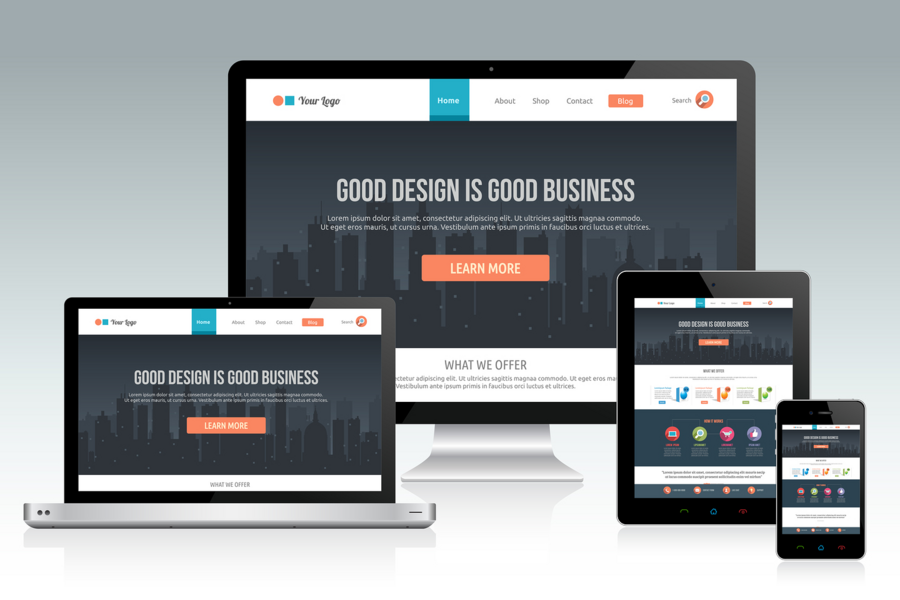
A successful landing page needs more than attractive visuals because visitors expect clear information, easy navigation, and a smooth browsing experience. Web Design and Development London can help businesses create landing pages that look professional while guiding visitors toward important actions. From page structure and visual hierarchy to mobile responsiveness and loading speed, thoughtful design can influence how users interact with a website. A well-planned landing page can make information easier to understand and help businesses create a stronger connection with their target audience.
Clear Page Structure
A clear structure helps visitors understand a landing page without confusion. When important information is arranged logically, users can quickly identify the purpose of the page and understand what the business offers. Web Design plays an important role in organising headings, images, text, buttons, and other elements in a natural order.
A cluttered page can make visitors feel overwhelmed, while a clean layout allows them to move through the content comfortably. Important information should be easy to find, and unnecessary elements should not distract users from the main message. A simple structure can therefore make a landing page more useful and easier to navigate.
Strong Visual Hierarchy
Visual hierarchy helps guide visitors toward the most important parts of a landing page. Designers can use different font sizes, spacing, images, colours, and positioning to show users where they should look first. This makes the page easier to scan, especially for visitors who do not read every word.
Effective Web Design gives each section a clear purpose and helps important content stand out naturally. For example, a strong headline can introduce the service, while supporting text can explain its benefits. A clear call-to-action can then encourage visitors to take the next step without making the page feel complicated.
Better User Experience
User experience is one of the most important parts of an effective landing page. Visitors should be able to understand the page, find useful information, and complete their desired action without unnecessary effort. Slow pages, confusing navigation, or poorly placed buttons can make users leave before exploring further.
Good Web Design focuses on making every interaction simple and convenient. Buttons should be easy to identify, forms should be straightforward, and important information should not be hidden. When visitors can move through a page naturally, they are more likely to stay engaged with the content.
Mobile-Friendly Layouts
Many people now browse websites through smartphones and tablets, making mobile responsiveness essential for landing pages. A page that looks excellent on a desktop may become difficult to use when viewed on a smaller screen. Text may become too small, buttons may be difficult to tap, and images may not fit correctly.
Responsive Web Design allows landing pages to adjust to different screen sizes. Content can remain readable, images can scale properly, and buttons can be positioned for comfortable tapping. A mobile-friendly experience helps businesses reach users across different devices without creating separate pages for every screen size.
Faster Loading Times
Page speed can have a major effect on how visitors interact with a landing page. Users generally expect websites to load quickly, particularly when they are browsing on mobile devices. If a page takes too long to appear, visitors may leave before seeing the content.
Web Design can support faster loading by encouraging the use of properly sized images, clean layouts, efficient elements, and fewer unnecessary features. A lightweight landing page can provide a smoother experience while allowing visitors to reach important information more quickly. Better loading performance can also make the overall website feel more professional.
Engaging Content Placement
The position of content can influence how visitors understand a landing page. Important information should appear where users are most likely to notice it. Headlines, introductory messages, service details, testimonials, and calls to action should work together rather than appearing randomly.
Effective Web Design helps create a natural flow between different sections. Visitors can first understand the main offer, then discover useful details before reaching a clear action point. This approach keeps the page organised and prevents users from searching through large amounts of unnecessary information.
Effective Call-to-Action Buttons
A landing page usually has a specific goal, such as generating enquiries, encouraging registrations, promoting a service, or completing a purchase. A clear call-to-action helps visitors understand what they should do next. Without an obvious action, even an attractive landing page may fail to guide users effectively.
Good Web Design makes call-to-action buttons noticeable without making them distracting. The wording should be simple and relevant to the page. Buttons should also have enough space around them so users can easily identify and interact with them, especially when using mobile devices.
Building Trust Through Design
Visitors often form an impression of a business based on how its website looks and works. A professional landing page can communicate reliability and attention to detail. Consistent typography, high-quality images, balanced spacing, and clear information can make a business appear more organised.
Web Design also provides opportunities to include trust-building elements such as customer reviews, testimonials, certifications, service information, and contact details. These elements can answer common questions and give visitors more confidence when considering a business or service.
Final Words
Creating a better landing page requires more than adding attractive images or modern graphics. A successful page should provide clear information, simple navigation, fast performance, mobile compatibility, and an easy path toward the desired action. Each design element should support the needs of visitors while keeping the main purpose of the page clear.
Professional landing pages can help businesses communicate their services more effectively and create a smoother online experience. By focusing on structure, visual hierarchy, content placement, responsiveness, speed, and trust, businesses can develop pages that are easier to use and more engaging for their target audience. A thoughtful approach to landing page design can ultimately create a stronger connection between visitors and the business.
Visit Talks Markets for more informative blogs.
Comments
Log in or sign up to join the conversation.