

The US flag has a strong connection with military service. For generations, it has been present at military ceremonies, memorials, parades, and other important events. Its familiar stars and stripes can remind people of the responsibility that comes with serving the country. For service members and their families, the flag can also represent sacrifice, discipline, teamwork, and a commitment to duty.
Flags and Military Pride
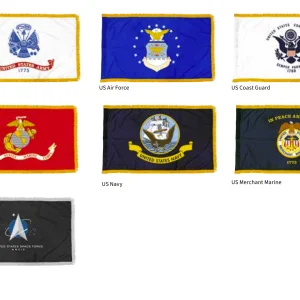
Military pride is often expressed through symbols that honor service and shared values. Armed Forces Flags can represent different branches of the US military and help people recognize the role each branch plays in protecting the country. Displaying these flags at homes, offices, military events, or community gatherings can be a simple way to show respect for those who serve.
A flag can carry personal meaning as well. A veteran may display it to remember their years of service, while a family may use one to honor a relative currently serving. In these situations, the flag becomes more than a decoration. It can connect people to memories, relationships, and a sense of duty.
Leadership and the US Flag
The US flag is also closely linked with leadership. It is displayed in government buildings, military facilities, schools, and public ceremonies where leaders make decisions that affect others. Seeing the flag in these settings can reinforce ideas of responsibility and public service.
US Presidential Flags are another example of how flags can represent leadership and authority. They are associated with the office of the president and can be seen in formal settings connected with the presidency. The flag helps distinguish an important position while remaining connected to the wider identity of the United States.
A Shared National Symbol
One reason the US flag remains meaningful is that it can represent many experiences at once. For military personnel, it may stand for service and sacrifice. For civilians, it may represent national identity or respect for those who serve. During ceremonies and moments of remembrance, the flag can bring people together without requiring many words.
Its meaning can also change depending on the setting. A flag at a military ceremony may carry a different personal meaning than one displayed at a community event, but both can reflect respect for the country and its people.
Conclusion
US flags continue to reflect military pride and leadership through their connection with service, responsibility, remembrance, and national identity. They can honor individuals while also representing something shared by a wider community. If you are looking for flags that reflect these values, visit My Flag Depot to explore suitable options for your display or event.
Comments
Log in or sign up to join the conversation.