
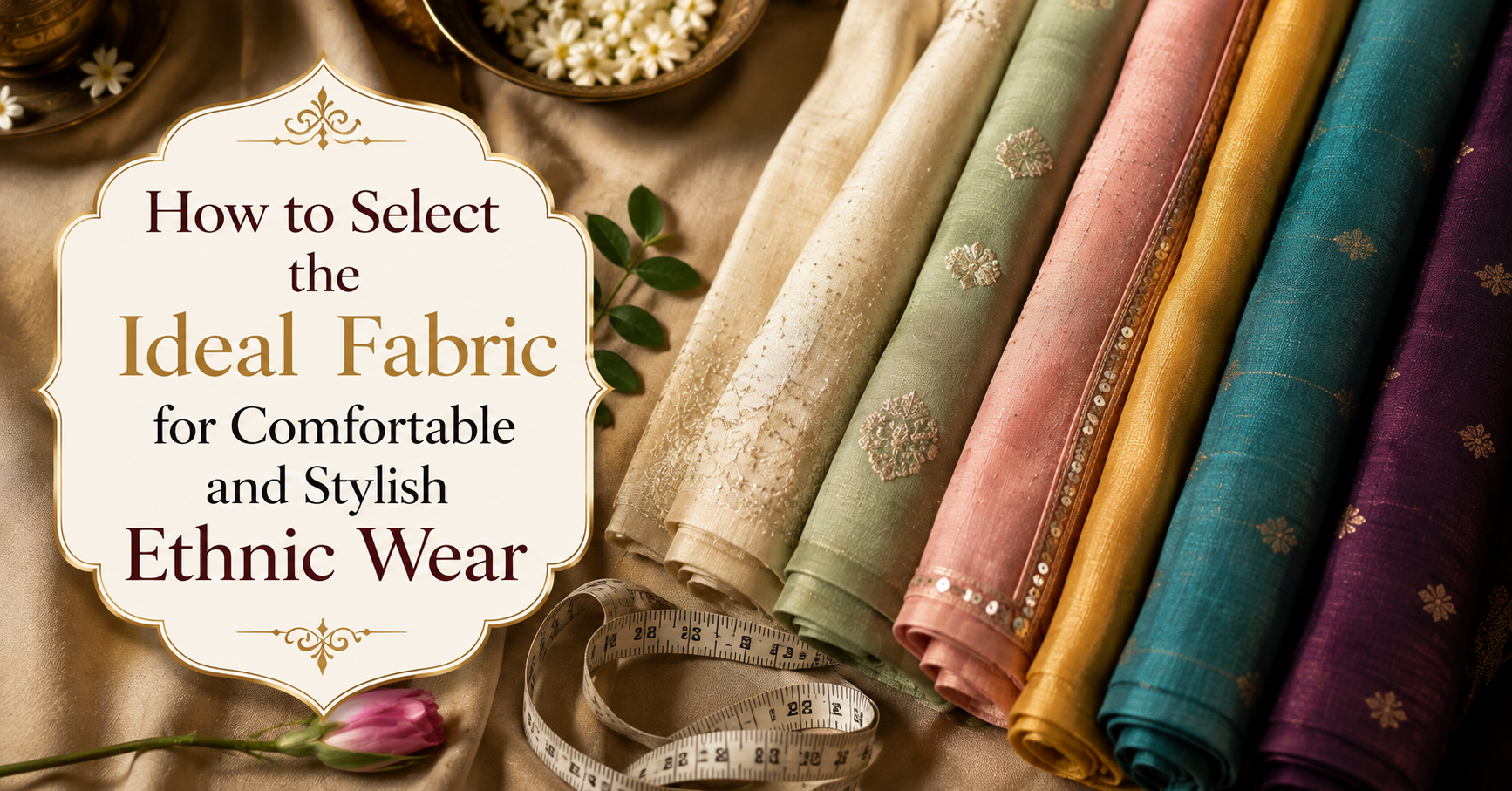
Choosing the right fabric can make a significant difference to the comfort, appearance, and versatility of ethnic wear. From sarees and salwar suits to festive outfits, every fabric has its own texture, drape, and visual appeal. Tussar silk sarees are a popular choice for those who appreciate natural texture and traditional elegance. However, selecting the right material depends on the occasion, weather, styling preferences, and how comfortable you want to feel throughout the day.
Consider the Occasion
The first step is to think about where you plan to wear the outfit. Festive celebrations, weddings, office events, and casual gatherings may each call for different fabrics.
Silk and brocade fabrics are excellent for weddings and grand occasions because they offer a rich and sophisticated appearance. Cotton and linen can be better suited for everyday wear, casual occasions, and warm-weather gatherings. For semi-formal events, fabrics with a balanced combination of elegance and comfort can provide a polished look without feeling overly heavy.
Choose According to the Weather
India's varied climate makes fabric selection particularly important. Lightweight and breathable materials are generally more comfortable during warmer months.
Cotton is known for its breathability and easy-to-wear nature, making it suitable for everyday ethnic outfits. Linen can also provide a fresh and lightweight feel. Silk, meanwhile, can work beautifully for special occasions, particularly when the event is held indoors or during cooler weather.For humid conditions, consider fabrics that allow airflow and do not cling excessively to the body.
Understand Fabric Drape
The way a fabric falls on the body can completely change the appearance of an ethnic outfit. Flowing fabrics can create a soft and graceful silhouette, while structured materials can give an outfit a more defined appearance.
Silk generally provides an elegant drape and polished finish. Cotton can create a comfortable and natural silhouette, while fabrics such as georgette and chiffon offer a lighter, fluid appearance. When choosing fabric for a saree or salwar suit, consider whether you prefer a structured traditional look or a softer contemporary style.
Look at Texture and Finish
Texture adds personality to ethnic clothing. Smooth fabrics create a refined appearance, while textured materials can make a simple outfit more visually interesting.
Tussar silk, for example, is appreciated for its distinctive natural texture and understated richness. Handwoven fabrics may also have subtle variations that add character and highlight their craftsmanship.
Think About Maintenance
A beautiful fabric should also fit your lifestyle. Some materials require careful handling, specialised cleaning, or particular storage conditions.
Before purchasing an outfit, check the care instructions. Everyday clothing may be easier to manage when made from fabrics that can withstand regular use and cleaning. Delicate silk and embellished fabrics may require additional attention but can remain beautiful for years when properly cared for.
Match Fabric with Your Style
Your personal style should play an important role in fabric selection. If you prefer traditional and luxurious clothing, silk and handwoven fabrics may suit your wardrobe.
For a simple and relaxed aesthetic, cotton, linen, and lightweight blends can be excellent choices. If you enjoy contemporary ethnic fashion, fluid fabrics can help create modern silhouettes while retaining traditional elements.
The right fabric should complement your preferred colours, patterns, blouse or kurta styles, and accessories.
Consider the Outfit Design
The same fabric can look very different depending on the garment design. A heavily embellished fabric may work well for a simple silhouette, while a plain material can allow intricate tailoring, embroidery, or prints to become the focal point.
For salwar suits, consider how the material will work with the kurta, dupatta, and bottom style. For sarees, think about the relationship between the fabric's drape, border, pallu, and blouse.
Check Fabric Quality Before Buying
Quality is especially important when purchasing premium ethnic wear. Look for detailed product descriptions mentioning the fabric composition, weaving technique, finishing, and available measurements.
When buying online, customer reviews can also provide useful insights into colour accuracy, material feel, transparency, and overall quality. Choosing a reliable seller can make the shopping experience more dependable.
Balance Style and Comfort
The most attractive ethnic outfit is one that you can wear comfortably. A fabric may look luxurious but may not be practical if it feels too heavy, stiff, or warm for your intended use.
Consider how long you will wear the outfit and whether you will be moving around frequently. For long celebrations, breathable or lightweight fabrics can make a noticeable difference.
Build a Versatile Ethnic Wardrobe
A well-planned ethnic wardrobe can include fabrics for different seasons and occasions. Keep a combination of lightweight everyday materials, elegant festive fabrics, and premium traditional textiles.
When shopping for new outfits, exploring salwar materials online can provide access to a wide range of fabrics, colours, textures, and designs. Comparing material details, checking measurements, and understanding care requirements can help you choose options that combine comfort, style, and long-term value.
Comments
Log in or sign up to join the conversation.