
Learn how the right ER collets improve CNC machining accuracy, reduce vibration, and increase tool life for better machining performance.
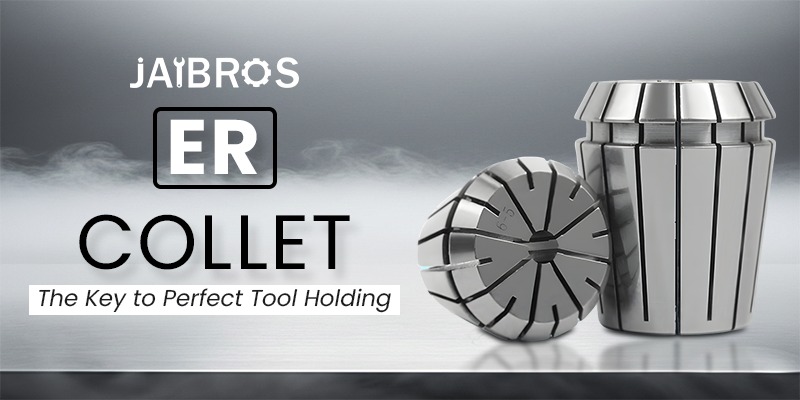
How to Choose the Right ER Collets for CNC Applications
Selecting the right er collet for CNC machine is significant in enhancing precision, minimization of vibrations, and maximizing the life of the tool. The selection of a good collet system ensures that the cutting tools maintain stability during machining and allows improved surface finish. In most cases, in workshop environments, machinists pay much attention to spindle speeds and cutting tools alone, but the holder's efficiency also plays an important role.
Modern manufacturing industries use different er collets size depending on tool diameter and machining requirements. Selecting the correct option helps maintain gripping force and improves machining stability during drilling, milling, and tapping operations.
Understand the Purpose of Collet Systems
Collets are used to hold cutting tools securely inside CNC machine spindles. Their main purpose is to provide precise clamping while reducing runout during rotation. Stable tool holding supports smooth cutting and improves dimensional accuracy in different machining operations.
These systems are widely used in industries such as aerospace, automotive, mold manufacturing, and precision engineering. A good holder reduces unnecessary spindle stress and improves overall machining efficiency.
Benefits of proper collet selection:
Better tool gripping
Reduced machine vibration
Improved surface finish
Longer cutting tool life
Better production consistency
Faster tool replacement process
Using the wrong holder may create imbalance and poor cutting performance. Correct selection is necessary for maintaining smooth machining operations.
Check Compatibility Before Selection
Compatibility is one of the most important factors when selecting tooling components. Operators should always check spindle type, tool diameter, and machining requirements before choosing a holder.
Different er collet sizes are available for various cutting tools. Using the correct size improves gripping pressure and helps maintain machining balance during operation.
Important points to verify:
Tool shank diameter
Spindle specifications
RPM requirements
Material type
Cutting depth
Feed rate conditions
For high-speed machining, balanced holders are necessary because vibration can reduce tool life and surface quality. Precision machining applications also require accurate clamping to maintain dimensional consistency.
Machinists should always follow the recommended gripping range provided by manufacturers. Proper installation reduces the possibility of tool slippage during heavy cutting operations.
Select the Correct Clamping Range
The clamping range directly affects machining stability and tool performance. Different operations require different gripping capacities depending on cutting load and tool diameter.
Manufacturers produce many er collet sizes for supporting a wide range of machining applications. Smaller variants are commonly used for engraving and fine drilling work, while larger holders are suitable for rough milling and heavy-duty operations.
Factors that affect clamping selection:
Tool diameter accuracy
Cutting pressure
Material hardness
Required machining precision
Operating speed
One common mistake is selecting oversized holders for smaller cutting tools. This reduces gripping efficiency and may increase tool runout during machining.
Many machinists use an er collet size chart while selecting tooling components because it helps identify suitable holders for different diameters quickly and accurately.
Focus on Holder Quality
Holder quality strongly affects machining performance and cutting stability. Precision-ground holders usually provide better concentricity and durability compared to lower-grade products.
Some workshops prefer using an er 25 collet holder for medium-duty machining because it offers a balance between gripping strength and flexibility. These holders are commonly used in drilling, milling, and finishing applications.
Features of quality holders:
Hardened steel body
Corrosion resistance
Precision balancing
Strong locking system
Reliable thread quality
Better gripping force
Low-quality holders may create vibration during machining and affect surface finish. Shops involved in precision machining generally invest in better tooling systems for long-term performance.
Regular inspection is also necessary. Operators should clean holders frequently to remove coolant residue, chips, and dust that may affect alignment.
Choose According to Machining Application
Different machining operations require different types of holders. Selecting tooling according to the application improves efficiency and reduces unnecessary stress on cutting tools.
For threading operations, many machinists prefer er tap collets because they provide secure gripping and help maintain alignment during tapping applications. Proper tapping support also reduces the chances of tool breakage.
Application-based selection guide:
Drilling Applications
Precision holders help improve hole accuracy and reduce vibration.
High-Speed Machining
Use balanced systems designed for smooth rotation at higher RPM levels.
Fine Engraving Work
Smaller er collet sizes are generally preferred for delicate cutting operations.
Tapping Operations
Specialized holders help improve thread quality and reduce tap damage.
Understanding the machining process before purchasing tooling components helps operators improve productivity and reduce setup problems.
Importance of Maintenance
Even high-quality holders may lose efficiency without proper maintenance. Dirt buildup, damaged threads, and overtightening can reduce gripping accuracy over time.
Maintenance tips:
Clean holders after every use
Avoid excessive tightening force
Inspect for wear regularly
Store tooling properly
Replace damaged components immediately
Routine maintenance improves machining consistency and reduces spindle-related problems. Workshops following proper handling practices usually experience fewer production interruptions and better tooling life.
Operators should also inspect locking nuts because damaged threads may affect clamping pressure during operation.
Consider Precision and Runout
Runout plays an important role in CNC machining because excessive runout may damage tools and reduce surface quality. Precision machining applications require accurate alignment during spindle rotation.
High-quality er collets help reduce vibration and improve machining consistency. Better concentricity also supports smoother cutting action and longer spindle life.
Advantages of low runout:
Better surface finish
Improved cutting accuracy
Longer tool life
Reduced vibration
Higher production quality
Industries involved in aerospace, mold making, and medical component manufacturing often focus heavily on precision because even small inaccuracies may affect final product performance.
Conclusion
The selection of proper er collets for CNC operations is crucial to enhance precision, reduce vibrations, and increase tool longevity. The issues of compatibility, clamping capacity, toolholder design, machining process, and maintenance are some factors that influence the performance of the tooling system and machining process.
It is important to analyze the needs of the machining process prior to making the selection process. This would ensure improved consistency and minimize any difficulties during the machining process. Companies such as Jaibros recognize the significance of dependable industrial tooling systems for modern CNC machining industries.
FAQs
1. Why are collets important in CNC machining?
They hold cutting tools securely and improve machining accuracy.
2. How do I select the correct holder size?
Tool diameter and machining application help determine the suitable option.
3. What causes excessive runout?
Improper sizing, damaged holders, and poor installation are common reasons.
4. Are balanced holders necessary for high-speed machining?
Yes, balanced holders reduce vibration and improve cutting stability.
5. How often should holders be cleaned?
Cleaning after every use helps maintain proper machining performance.
Comments
Log in or sign up to join the conversation.