

Learn how to prevent drill chuck slippage during machining with tips on proper tightening, drill chuck sizes, CNC stability, and maintenance practices.
Best Ways to Prevent Drill Chuck Slippage in CNC Machining
A drill chuck plays a critical role in maintaining machining accuracy and tool stability during drilling operations. Whether in CNC machining, industrial production, or workshop drilling, a properly functioning chuck ensures the cutting tool remains securely clamped throughout the process. However, one common issue faced by machinists is drill chuck slippage.
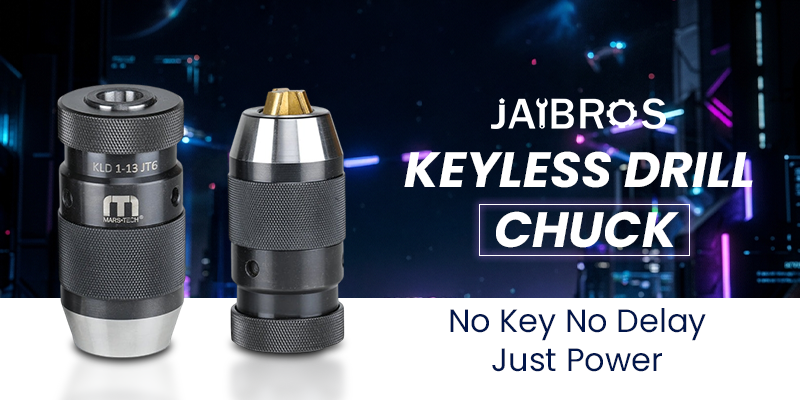
Slippage occurs when the drill bit moves inside the chuck during operation, causing inaccurate holes, poor surface finish, tool damage, and reduced machining efficiency. In severe cases, it can even create safety hazards and machine downtime.
Preventing slippage is essential for improving drilling precision, extending tool life, and maintaining production quality. By understanding the causes and applying proper maintenance and setup practices, machinists can significantly reduce this problem and achieve better machining performance.
What Causes Drill Chuck Slippage?
Several factors can contribute to tool slippage during machining operations. Identifying the root cause is the first step toward solving the issue effectively.
Common causes include:
Improper tightening
Worn chuck jaws
Incorrect tool size
Excessive cutting force
Poor-quality tooling
Dirt or oil contamination
High machine vibration
A damaged or poorly maintained drill chuck can lose gripping strength over time, making it difficult to hold tools securely during high-speed operations.
Importance of Proper Tightening
One of the most common reasons for slippage is improper tightening of the drill bit inside the chuck.
Operators should ensure:
The bit is centered correctly
The chuck is tightened evenly
The tool is fully inserted
Excessive force is avoided
For keyed systems, the tightening key should be used at all jaw positions to ensure balanced gripping pressure.
Modern keyless drill chuck systems also require proper hand-tightening to maintain sufficient holding force during machining.
Use the Correct Drill Bit Size
Using incompatible tools is another major cause of slippage. The drill bit diameter must match the chuck capacity properly.
Different drill chuck sizes are designed to support specific tool diameter ranges. Using undersized or oversized bits may reduce gripping performance and create instability during cutting.
Always check:
Maximum tool capacity
Minimum gripping size
Tool shank condition
Machine compatibility
Correct tool selection improves both safety and drilling accuracy.
Clean the Chuck Regularly
Dust, metal chips, coolant residue, and oil contamination can reduce gripping efficiency inside the chuck jaws.
Proper cleaning helps:
Improve jaw contact
Maintain gripping strength
Prevent internal wear
Extend operational lifespan
Cleaning practices include:
Removing metal chips
Wiping internal surfaces
Applying light lubrication
Avoiding excessive grease buildup
A clean drill chuck provides better clamping performance and reduces the risk of slipping during machining.
Inspect Chuck Jaws for Wear
Over time, chuck jaws naturally wear down because of repeated clamping pressure and friction.
Signs of worn jaws include:
Uneven gripping
Bit wobbling
Reduced clamping force
Visible surface damage
Worn chuck jaws may fail to hold the tool securely, especially during heavy drilling operations.
Industrial workshops should inspect chuck condition regularly and replace damaged components immediately.
Reduce Machine Vibration
Excessive machine vibration can loosen tool grip and increase slippage risk.
Common causes of vibration include:
Poor spindle alignment
Unbalanced tooling
Worn bearings
Incorrect feed rates
Damaged holders
A high-quality cnc drill chuck helps reduce vibration and improve machining stability in automated production systems.
Modern CNC environments require balanced tool-holding systems to maintain accuracy during high-speed machining.
Use High-Quality Tooling Systems
Low-quality chucks often have poor gripping accuracy and reduced durability. While many buyers focus mainly on drill chuck price, investing in reliable tooling provides better long-term performance.
Premium chuck systems offer:
Better jaw precision
Improved gripping force
Lower runout
Enhanced durability
Industrial-grade systems are especially important for high-production environments where precision and consistency are critical.
Avoid Excessive Cutting Force
Applying excessive feed rates or drilling pressure can overload the chuck and force the tool to slip.
To reduce stress on the chuck system:
Use correct cutting speeds
Apply proper feed rates
Use suitable drill geometry
Maintain adequate coolant flow
Balanced cutting conditions help maintain stable drilling performance while protecting both the tool and machine.
Importance of Proper Tool Shank Condition
Damaged or worn drill shanks reduce contact between the chuck jaws and the tool surface.
Before machining, operators should inspect the tool shank for:
Wear marks
Rust
Oil contamination
Surface damage
Clean and smooth shanks improve gripping reliability and reduce the chances of slipping during operation.
Benefits of Keyless Chuck Systems
Many modern industries are shifting toward advanced keyless drill chuck systems because they provide faster operation and easier tool replacement.
Benefits include:
Quick setup
Better convenience
Reduced downtime
Simplified operation
However, operators must still tighten the system properly to ensure sufficient holding strength during machining.
CNC Machining and Slippage Prevention
In CNC machining, precision is extremely important because even small errors can affect production quality.
A precision-balanced CNC drill chuck improves:
Hole accuracy
Tool stability
Surface finish
Machining consistency
Advanced CNC setups often use high-precision tool-holding systems designed specifically for high-speed and automated production environments.
Select the Right Chuck for the Application
Different industrial operations require different chuck systems.
Factors to consider include:
Material type
Machine speed
Tool diameter
Torque requirements
Production volume
Choosing the correct drill chuck sizes improves tool compatibility and ensures better gripping performance.
Heavy-duty industrial applications may require stronger clamping systems than light workshop drilling operations.
Maintain Proper Lubrication
Lubrication helps internal chuck components move smoothly while reducing friction and wear.
However, excessive lubrication can attract dust and reduce jaw gripping efficiency.
Best practices include:
Using light machine oil
Cleaning before lubrication
Avoiding over-application
Following manufacturer guidelines
Proper maintenance improves overall chuck reliability and lifespan.
Operator Training Matters
Improper handling remains one of the leading causes of tool slippage.
Operators should receive proper training on:
Correct tightening methods
Tool inspection
Maintenance practices
Safe machining procedures
Well-trained machinists can identify problems early and maintain better machining performance.
Future Trends in Chuck Technology
Modern manufacturing industries are continuously improving tool-holding systems to reduce slippage and improve machining accuracy.
Current innovations include:
Anti-slip jaw technology
Smart clamping systems
High-speed balanced chucks
Precision quick-change systems
Vibration-reduction designs
These technologies are helping industries improve productivity and machining reliability.
Conclusion
Preventing tool slippage is essential for maintaining machining accuracy, operational safety, and production efficiency. Proper tightening, regular maintenance, correct tool selection, and vibration control all play important roles in improving chuck performance.
Understanding the importance of proper drill chuck sizes, investing in a reliable cnc drill chuck, and balancing quality with drill chuck price can significantly improve machining results. Modern keyless drill chuck systems also provide convenience and faster setup times for industrial applications while maintaining strong gripping performance.
About Jaibros
Jaibros is a trusted supplier of industrial cutting tools and CNC machining solutions in India. The company offers a wide range of precision tooling products, drill chucks, carbide tools, measuring instruments, and machining accessories designed for modern manufacturing industries.
FAQs
1. What causes drill chuck slippage during machining?
Common causes include improper tightening, worn jaws, incorrect tool size, vibration, and poor maintenance.
2. How can I prevent drill chuck slippage?
Proper tightening, regular cleaning, correct tool selection, and reducing vibration help prevent slippage effectively.
3. Are keyless drill chucks reliable for industrial use?
Yes, modern keyless drill chuck systems are reliable when properly tightened and maintained.
4. Why are drill chuck sizes important?
Correct drill chuck sizes ensure proper tool fitment and improve gripping stability during machining.
5. Does drill chuck price affect quality?
In many cases, higher-quality systems may cost more but provide better durability, accuracy, and long-term performance.
Comments
Log in or sign up to join the conversation.