
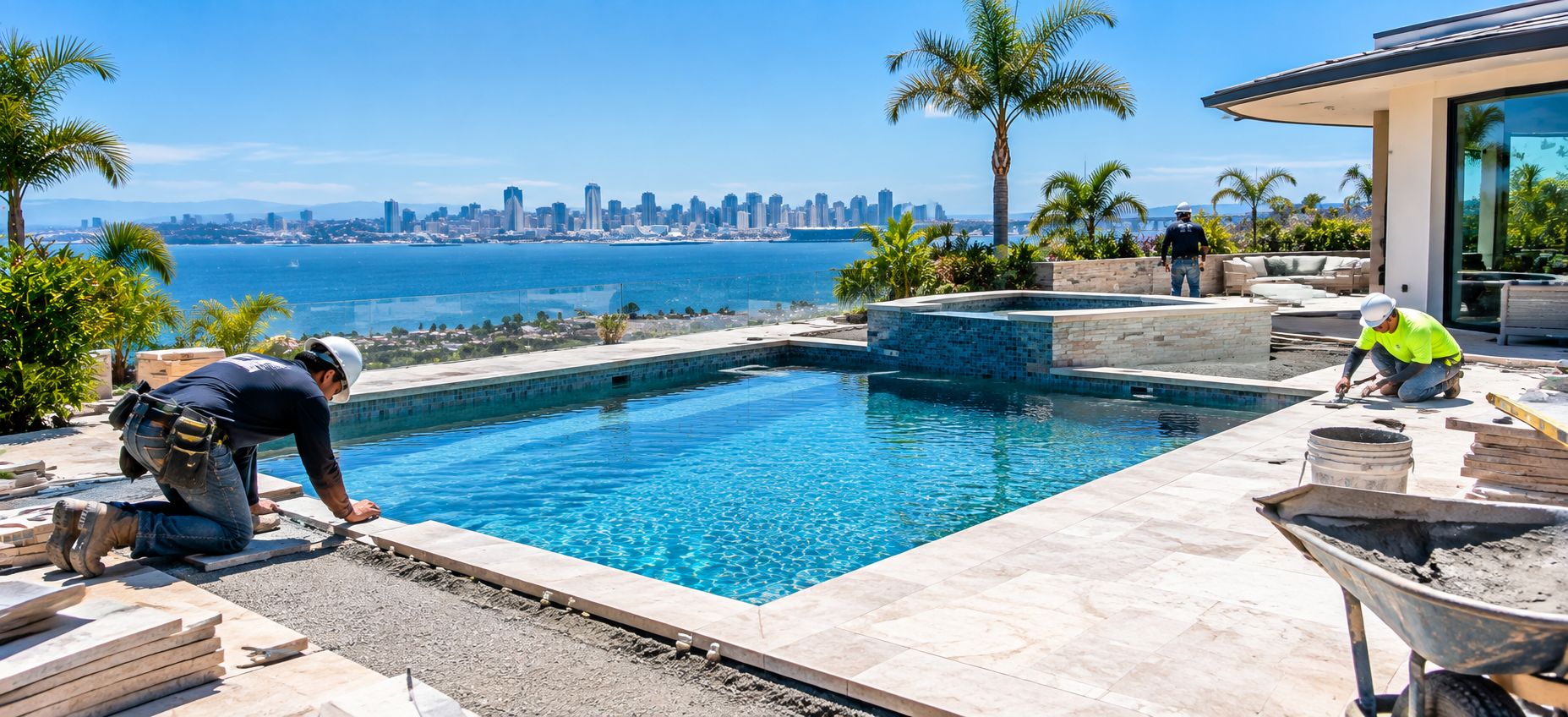
Building a custom swimming pool is one of the most rewarding home improvement projects you can undertake. It transforms an ordinary backyard into a private resort, adds significant value to your real estate investment, and creates a central space for family health and entertainment. However, turning your vision of a backyard oasis into a reality requires careful planning, architectural awareness, and a clear understanding of the engineering processes involved. Every property presents unique topographical features, soil conditions, and spatial boundaries that dictate how a custom aquatic venue must be engineered and built.
From initial architectural concepts to structural shotcrete placement, the modern pool building journey blends artistic design with heavy civil construction. Homeowners must evaluate structural materials, hydrotherapy spa integration, water feature placement, energy efficient mechanical systems, and landscape harmony long before excavation begins. Understanding the complete development lifecycle helps property owners make informed decisions that ensure long term durability, low operational costs, and timeless aesthetic beauty.
Partnering with experienced swimming pool contractors in San Diego ensures your project complies with all local building codes, environmental regulations, and structural engineering standards required for coastal and inland properties. Professional pool builders bring invaluable expertise in navigating zoning challenges, managing complex grading schedules, and sourcing premium materials built to withstand regional climate conditions. When you work with skilled builders such as the team at you gain access to decades of master craftsmanship, innovative design techniques, and dedicated project management focused on building luxury inground pools that last for generations.
Planning and Site Evaluation for Custom Inground Pools
Every successful pool installation starts with a comprehensive physical site evaluation. Professional designers examine property lines, setback requirements, overhead utility lines, and underground infrastructure before sketching initial concepts. Soil testing is critical, particularly on hillside lots or areas prone to movement, to determine whether expansive clay or rock layers exist. Engineering requirements vary significantly based on these environmental factors, directly influencing wall thickness, rebar reinforcing schedules, and foundation depths.
Sun exposure and prevailing winds also shape optimal pool placement within your landscape design. Positioning the water surface to capture maximum daily sunlight naturally warms the pool, lowering heating costs throughout the year. Strategic placement of windbreaks, shelter walls, or raised bond beams protects the swimming zone from debris while preserving ambient warmth. Additionally, planning clear pathways between indoor living spaces and outdoor entertainment areas creates a cohesive architecture that encourages natural indoor outdoor living.
Local zoning ordinances and municipal building permits dictate fundamental parameters including pool depth, safety barrier fencing, gate latch heights, and drainage flow paths. Architectural review committees in master planned communities often enforce aesthetic standards regarding materials, pool equipment screening, and night lighting intensity. Establishing clear communication with municipal planning departments during early stages prevents unnecessary construction delays and ensures seamless approval of structural engineering blueprints.
Choosing the Right Structural Materials for Your Pool
Selecting the foundational construction material dictates your pool design flexibility, structural longevity, and lifetime maintenance commitments. Reinforced shotcrete gunite remains the gold standard for custom residential and commercial pools due to its unlimited shaping potential. Shotcrete allows builders to construct complex geometric layouts, freeform tropical shapes, integrated elevated spas, deep diving wells, and custom water features directly into the earth with exceptional structural density.
Poured concrete structures offer tremendous structural strength and accommodate elaborate architectural finishes such as glass tile mosaics, natural quartz aggregates, and polished pebble surfaces. While alternative materials like prefabricated fiberglass shells or vinyl liners exist, they carry rigid size limitations, pre molded shape restrictions, and shorter lifespans. Custom concrete construction enables tailored depth transitions, custom ledge seating, built in sun shelves, and seamlessly integrated perimeter overflow edges designed to complement your precise yard dimensions.
The choice of interior pool finish dramatically alters water color, texture, and long term stain resistance. Premium pebble aggregate finishes incorporate natural river stones and ceramic coated quartz to yield rich water hues ranging from light Caribbean blues to deep lagoon aquamarines. These textured aggregate surfaces resist chemical wear far better than traditional plaster, ensuring your pool interior remains vibrant, smooth, and structural sound over decades of continuous immersion.
Designing Functional Aquatic Features and Sun Shelves
Modern pool architecture balances dynamic swimming zones with dedicated relaxation spaces tailored for all age groups. Baja shelves, also known as sun shelves or tanning ledges, have become an essential feature in high end pool design. These shallow water platforms, typically six to nine inches deep, provide a safe splash area for young children and create an ideal setting for in water lounge chairs and umbrellas.
Incorporating hydrotherapy spas directly into the main pool structure offers seamless visual integration and dual temperature flexibility. Raised spas created with stacked stone, smooth slate, or shimmering glass tile veneers serve as dramatic focal points within the overall pool landscape. Water cascading from an elevated spa spillway into the main pool provides soothing acoustic sounds while circulating heated, filtered water naturally throughout the basin.
Integrated swim benches, perimeter seating ledges, and deep end relaxation alcoves maximize usable pool area without encroaching on open swim lanes. For fitness focused homeowners, dedicated lap swimming channels can be seamlessly combined with wider shallow play zones. Designing multiple functional depth zones ensures your pool accommodates vigorous exercise, social gatherings, quiet evening relaxation, and safe family recreation within a single unified layout.
Integrating Captivating Custom Water and Fire Features
Custom water features elevate a pool from a standard body of water into an interactive sensory experience. Sheer descent waterfalls, rock grottos, sconce jets, and deck jets create dynamic water movement that cools surrounding air temperatures and masks unwanted neighborhood noise. Laminar jets launch crystal clear streams of water silently across the deck surface, illuminated internally by color changing light emitting diode systems for spectacular evening displays.
Fire elements introduce warmth, contrast, and high visual drama to nighttime poolside entertaining. Custom fire bowls, linear fire walls, and integrated fire pits positioned along raised pool beams balance the cool hues of circulating water with radiant amber flames. Combining automated gas fire features with cascading waterfalls creates an iconic elemental contrast that serves as a stunning backdrop for outdoor dining and gatherings.
Structural integration of heavy stone waterfalls or masonry fire structures requires specialized engineering considerations during early pool foundation layout. Heavy features demand reinforced footing pads, dedicated plumbing feed lines, and independent pump controls to maintain consistent water flow velocities. Proper hydraulic engineering ensures waterfalls operate efficiently without compromising primary filtration performance or increasing energy consumption unnecessarily.
Energy Efficient Hydraulic Systems and Smart Controls
The mechanical engine driving any high performance custom pool is its hydraulic pumping and filtration system. Modern pool designs utilize variable speed pumps that adjust rotation speeds based on specific operational tasks like basic filtration, spa jet operation, or waterfall display. Running variable speed pumps at lower RPMs for extended periods slashes electrical energy usage by up to eighty percent compared to traditional single speed pump systems.
Advanced sanitation technologies minimize chemical dependency while keeping pool water sparkling clear and gentle on human skin. Saltwater chlorination systems generate pure, natural chlorine continuously from low salinity water, eliminating harsh chemical odors and eye irritation. Auxiliary sanitation systems like ozone generators and ultraviolet light sterilizers neutralize contaminants instantly as water passes through the equipment pad, dramatically reducing overall chemical storage requirements.
Automated control systems allow homeowners to manage every aspect of their pool environment directly from smartphones or home automation networks. With intuitive digital interfaces, users can adjust water temperatures, activate spa jets, switch on LED lighting sequences, and engage water features from anywhere. Smart automation also schedules optimal filtration cycles during off peak electrical rate hours, ensuring maximum energy savings and effortless operational management.
Coping, Decking, and Surrounding Landscape Architecture
The transition between pool water and surrounding living spaces is defined by your choice of coping and deck materials. Pool coping forms the cap around the top edge of the pool wall, serving both as a structural finished edge and a visual frame for the water. Natural stones like travertine, limestone, flagstone, and precast concrete pavers offer slip resistant surfaces that stay comfortable underfoot even under direct summer sun exposure.
Decking materials should harmonize aesthetically with your home architectural style while providing safe, durable walkway surfaces. Poured decorative concrete, stamped textured concrete, porcelain deck tiles, and natural stone slabs allow continuous design flow from covered patio spaces directly to the pool edge. Incorporating proper deck drainage channels, perimeter slot drains, and subtle slope angles prevents deck runoff from washing soil, fertilizers, or debris back into the pool water.
Lush landscaping around the pool perimeter softens structural hardscapes and provides natural privacy screening. Selecting low debris, non invasive plant species prevents root damage to underground plumbing lines and keeps pool skimmer baskets free of falling leaves. Deep rooted palms, ornamental grasses, architectural succulents, and flowering perennials bring color, texture, and tropical ambiance to your poolside garden beds.
Construction Phase Execution and Quality Management
Building a custom inground concrete pool involves a series of sequential heavy construction stages requiring precise technical execution. The process begins with heavy machinery excavation, carefully shaping the earth to match detailed engineering blueprints. Steel rebar crews then weave a rigid structural cage throughout the excavation pit, establishing the framework that provides tensile strength against soil pressures.
Once rebar inspections are approved by structural engineers and municipal inspectors, high pressure shotcrete concrete is applied to form solid walls and floors. The pool structure must undergo a curing phase where concrete achieves maximum compressive strength before interior finishes, waterline tile, and stone coping are installed. Skilled masons lay perimeter tile and coping stones with precise leveling to ensure perfectly uniform waterlines across long architectural spans.
The final construction phases involve installing equipment pad components, laying deck surfaces, applying the selected interior plaster or aggregate finish, and immediately filling the pool with fresh water. Comprehensive startup procedures balance water chemistry, purge air from hydraulic lines, calibrate automated equipment, and initialize pump filtration cycles. Professional construction supervision at every step guarantees structural integrity, long term safety, and flawless operational performance.
Long Term Care, Maintenance, and Water Chemistry Balance
Maintaining pristine water clarity and structural integrity requires consistent water chemistry monitoring and routine preventive care. Balanced pool water relies on managing five core chemical parameters: pH levels, total alkalinity, calcium hardness, sanitizer concentration, and cyanuric acid stabilizer. Keeping these parameters within ideal ranges prevents scale formation on tile surfaces, protects internal heater exchangers, and prevents interior plaster etching.
Automated pool surface cleaners, robotic bottom vacuums, and in floor cleaning systems dramatically reduce manual maintenance chores. In floor circulation systems use pop up nozzles embedded in the pool floor to push settled debris toward main drains while circulating heated water evenly from the bottom up. Regular skimming of surface debris, backwashing filtration media, and inspecting pump strainer baskets ensures uninterrupted hydraulic efficiency.
Seasonal inspection of mechanical seals, heater burners, O rings, and automatic safety covers extends the operating life of your pool investment. Partnering with professional pool service technicians for periodic maintenance audits catches minor wear before it leads to costly mechanical failures. Proper ongoing care preserves interior surface smooth textures, maintains sparkling water clarity, and ensures your custom pool remains an inviting backyard sanctuary year after year.
Frequently Asked Questions
What is the typical timeframe required to construct a custom inground concrete pool?
The construction timeline for a custom inground concrete pool generally ranges between three to six months following permit issuance. Factors influencing the schedule include design complexity, soil excavation difficulty, weather conditions, material availability, and municipal inspection turnarounds.
How does a saltwater pool system differ from a traditional chlorine pool?
A saltwater pool utilizes an electrolytic chlorine generator to convert dissolved pool salt into pure chlorine automatically. This process eliminates the need to manually add liquid or tablet chlorine, resulting in softer feeling water that is gentler on skin, eyes, and swimwear while maintaining constant sanitation.
Why is professional soil testing necessary before beginning pool excavation?
Soil testing identifies expansive clays, unstable fill, high water tables, or subterranean rock formations that affect structural stability. Structural engineers use soil reports to design customized rebar reinforcement schedules and concrete wall thicknesses that prevent pool cracking or settling over time.
What are the most energy efficient features to include in a new pool design?
The most effective energy saving features include variable speed filtration pumps, LED pool lighting, high efficiency gas or hybrid heat pumps, automated pool covers to trap heat, and optimized hydraulic plumbing with large diameter pipes that reduce water resistance.
How deep should a custom pool be built for family recreation and safety?
Ideal depths depend on intended pool activities. Play pools designed for sports typically feature depths ranging from three and a half feet on the ends to five feet in the center. Pools designed for diving require deep wells constructed according to strict safety standards, usually starting at eight to nine feet deep.
Final Thoughts
Investing in a custom inground swimming pool transforms your property into an extraordinary personal haven while enhancing your outdoor lifestyle and long term home value. By understanding the fundamentals of site planning, structural material choices, hydraulic engineering, and functional aquatic design, homeowners can confidently navigate the building process from concept to completed reality.
Working alongside experienced design professionals ensures every water feature, lighting element, and patio surface blends seamlessly into your overall landscape architecture. A thoughtfully designed and expertly engineered pool delivers decades of healthy outdoor recreation, effortless relaxation, and unforgettable family memories right in the comfort of your own backyard.
Comments
Log in or sign up to join the conversation.