

Identify the right CNC tool for different materials with this easy guide. Improve cutting performance, accuracy, and tool life in CNC machining.
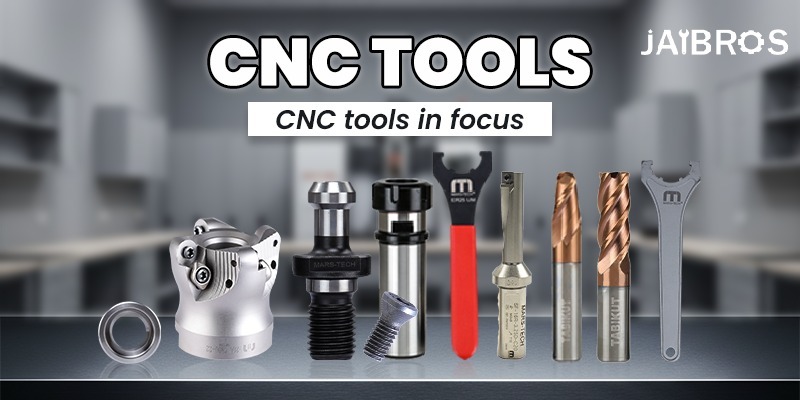
How to Identify the Right CNC Tool for Different Materials
Choosing the right tooling for machining processes is one of the critical choices that manufacturers must make. Every metal will react in a unique way during cutting processes, thus affecting their performance, quality of finishing, and tool life span. Being familiar with proper selection of cnc tool and materials will be instrumental in avoiding mistakes and saving time and money.
There is always a particular type of workpiece, depending on their hardness. In this case, CNC machines will prove to be very sophisticated, although their performance will heavily depend on choosing the appropriate tooling. Here is some guidance on proper choice of cnc tools.
1. Understand Material Properties Before Selection
Before selecting any tool, you must evaluate the material you are working with. Different materials respond differently to cutting forces, heat, and friction.
Soft materials (aluminum, plastics)
Require sharp edges and high-speed machining
Use tools with fewer flutes to avoid chip clogging
Hard materials (steel, titanium)
Need strong and wear-resistant cnc cutting tools
Lower cutting speeds help maintain tool life
Brittle materials (cast iron)
Require rigid setup and stable cnc tool holder
Avoid vibration to prevent chipping
Material analysis is the first step in selecting from various cnc tool types, ensuring better machining outcomes.
2. Choose the Right Tool Material and Coating
Tool material plays a major role in performance. Not all cnc tools are made the same, and each type serves a specific purpose.
Carbide tools
Ideal for high-speed machining
Suitable for most cnc machine tools
High-Speed Steel (HSS)
Good for softer materials and low-speed operations
Coated tools
Increase heat resistance and durability
Extend the life of cnc cutting tools
Uncoated tools
Better for softer materials where coating is not required
Selecting the right tool material ensures that your cnc tool types perform efficiently across different machining conditions.
3. Match Tool Geometry with Material
Geometry includes flute design, helix angle, and cutting edge shape. These factors directly impact chip removal and surface finish.
High helix angle tools
Best for soft materials like aluminum
Improve chip evacuation
Low helix angle tools
Suitable for hard materials
Provide better strength
Sharp cutting edges
Reduce cutting force
Ideal for precision work
Reinforced edges
Prevent wear in tough materials
Proper geometry selection helps maximize the efficiency of cnc machine tools and reduces stress on the cnc tool holder.
4. Select the Correct Tool Holder and Setup
The role of a cnc tool holder is often underestimated, but it is critical for accuracy and stability. A poor holder can ruin even the best tool.
Ensure proper clamping force
Maintain minimal runout
Use balanced holders for high-speed operations
Select compatible systems like BT40 for better rigidity
Using the right cnc tool holder improves tool life and machining precision. Many industries rely on BT40 systems for consistent and reliable performance.
5. Consider Cutting Parameters and Machine Capability
Even the best cnc tool will fail if cutting parameters are incorrect. Always match tool selection with machine capability.
Cutting speed
Higher for soft materials
Lower for hard materials
Feed rate
Adjust based on tool strength and material
Depth of cut
Avoid excessive load on cnc tools
Ensure compatibility with cnc machine tools
Maintain proper cooling and lubrication
Correct parameter selection ensures efficient use of cnc cutting tools and prevents unnecessary wear.
6. Identify Application-Specific Tool Types
Different machining operations require different tools. Understanding applications helps in choosing the right cnc tool types.
Drilling tools – for hole-making operations
End mills – for milling and profiling
Turning tools – for lathe operations
Boring tools – for internal finishing
Each operation requires a specific setup and compatible cnc tool holder. Advanced cnc machine tools support multiple operations, making tool selection even more critical.
7. Evaluate Tool Life and Cost Efficiency
Cost is not just about the price of the tool but also its lifespan and performance.
Long-lasting tools reduce replacement cost
High-quality cnc tools improve productivity
Efficient tools reduce machine downtime
Balanced systems like BT40 increase reliability
Always focus on long-term efficiency rather than short-term savings when selecting tooling solutions.
Conclusion
Finding the right tool to cut particular materials plays an important role in obtaining accuracy, efficiency, and economic benefits in the machining process. With knowledge about various material qualities, selection of appropriate tool materials, optimal geometry, and the right cnc tool holder, jaibros helps ensure a lot of improvement can be attained. The combination of proper utilization of the cnc machine together with the appropriate cnc tooling will definitely help in making the entire machining process more productive and durable. The choice of cnc tool types, in a strategic manner, not only increases efficiency but also minimizes mistakes and wastage.
FAQs
1. How do I choose the right CNC tool for aluminum?
Use sharp tools with high helix angles and fewer flutes for better chip removal.
2. Which tools are best for hard materials like steel?
Carbide or coated tools with strong edges are ideal for durability.
3. Why is a CNC tool holder important?
It ensures stability, reduces vibration, and improves machining accuracy.
4. What is the benefit of using BT40 holders?
They provide high rigidity and are widely used for stable machining operations.
5. How can I increase tool life in CNC machining?
Use proper cutting parameters, select the right tool material, and maintain good cooling conditions.
Comments
Log in or sign up to join the conversation.