

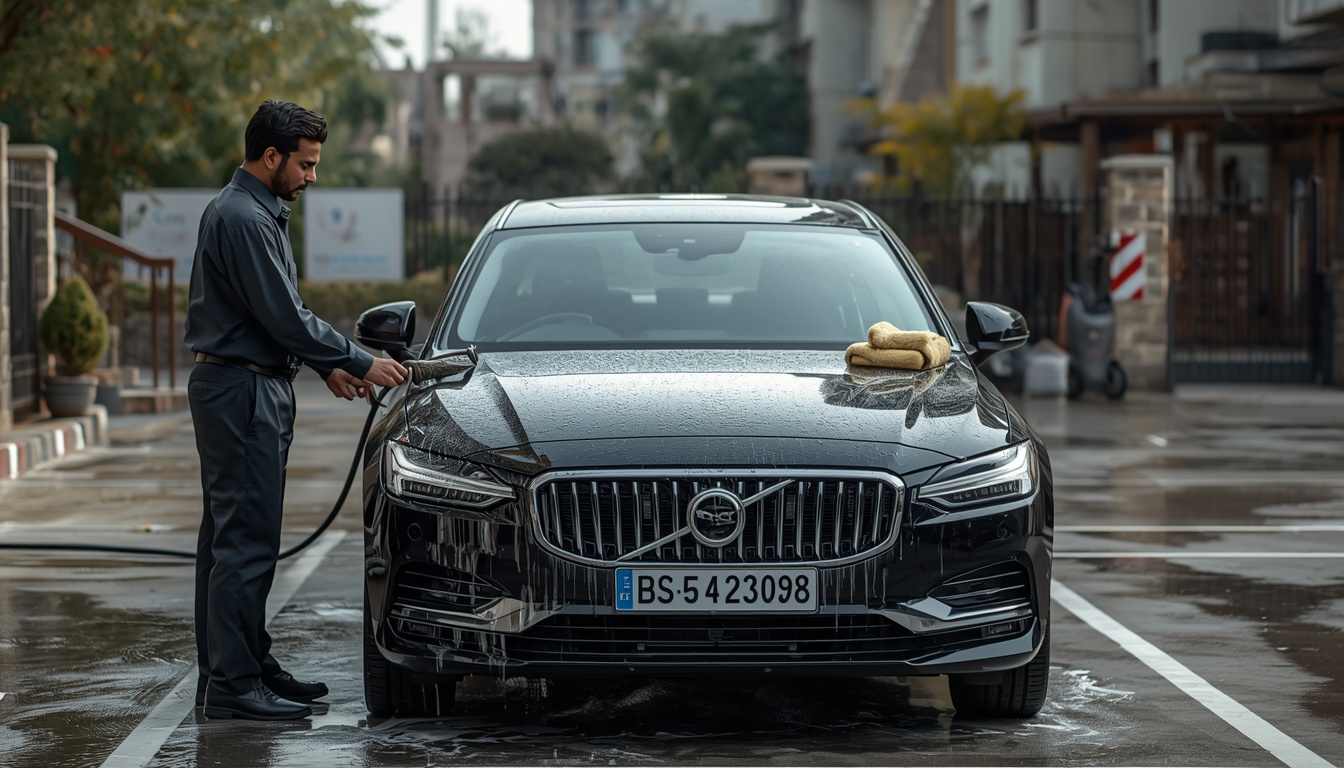
If you love travelling with your pet, you probably know how quickly pet hair can spread throughout your car. Hair can stick to seats, carpets, floor mats, door panels, and even hard-to-reach areas. A quick vacuum may remove some of it, but stubborn pet hair often requires a more careful cleaning approach. Choosing the Best car wash in Delhi can also help when your car needs a deeper interior clean after regular trips with your pet.
The good news is that you do not need complicated methods to keep your vehicle clean. With the right tools, techniques, and regular maintenance, you can remove pet hair effectively and keep your car interior fresh.
Why Is Pet Hair So Difficult to Remove?
Pet hair is different from ordinary dust and dirt. It can become trapped between fabric fibres and stick tightly to upholstery because of static electricity.
Long or fine hair can be especially difficult to remove from:
Fabric car seats
Floor carpets
Floor mats
Boot carpeting
Door panels
Seat gaps
Carpet edges
Fabric-covered surfaces
Simply running a vacuum over these areas may not always be enough. Some hair remains embedded deep inside the material.
Therefore, loosening the hair before vacuuming can make the cleaning process much more effective.
Start by Removing Loose Hair
Before using any cleaning product, remove as much loose pet hair as possible.
Take out removable floor mats and shake them outside the vehicle. This helps remove loose hair and dirt before you start detailed cleaning.
Next, check the seats, carpets, and other fabric surfaces. Use your hands or a suitable cleaning tool to collect larger clumps of hair.
Avoid rubbing the hair aggressively into the upholstery. Excessive rubbing can push the hair deeper into the fabric and make the problem harder to solve.
Use a Rubber Glove to Collect Pet Hair
One of the simplest methods for removing pet hair is using a slightly damp rubber glove.
Put on a household rubber glove and gently run your hand across the fabric surface. The friction between the glove and upholstery helps collect loose hair into small clumps.
Once the hair gathers together, simply pick it up and dispose of it.
This technique is particularly useful for:
Fabric seats
Carpeted areas
Floor mats
Boot interiors
However, test the method on a small area first, especially if your car has delicate upholstery.
Try a Pet Hair Removal Brush
Specialized pet hair removal brushes can make interior cleaning easier. These brushes are designed to collect hair from fabric and carpet surfaces.
Move the brush in one direction instead of repeatedly scrubbing the same area. Once the hair gathers into a visible pile, remove it before continuing.
For heavily affected areas, work in small sections. This allows you to see which areas have already been cleaned.
Use a Vacuum After Loosening the Hair
Vacuuming works best after the hair has been loosened from the upholstery.
Use a vacuum with an appropriate attachment and slowly clean the seats, carpets, and floor mats. Pay particular attention to areas where hair tends to collect.
Focus on Hidden Areas
Pet hair often gets trapped in places that are easy to overlook, such as:
Between the seats
Under the front seats
Around seat rails
Along carpet edges
Between seat cushions
Around door pockets
Inside the boot
A narrow vacuum attachment can help reach some of these areas.
Take your time rather than moving the vacuum quickly across the surface. Slow and controlled movements generally allow the vacuum to pick up more dirt and hair.
Clean the Floor Mats Separately
Floor mats usually collect a significant amount of pet hair because they are exposed to dirt, dust, and debris.
Remove the mats from the vehicle before cleaning them. Shake or vacuum them first to remove loose particles.
For fabric mats, use an appropriate brush or pet hair removal tool before vacuuming again.
If the mats require deeper cleaning, follow the manufacturer's care instructions. Avoid using excessive moisture if the material is not designed to handle it.
Don't Forget the Car's Interior Surfaces
Pet hair does not stay only on seats and carpets. It can also travel onto dashboards, door panels, center consoles, and other surfaces.
Use a microfiber cloth to wipe hard surfaces after vacuuming.
This is important because vacuuming can move small particles around the cabin. Cleaning the surfaces afterward helps remove the remaining dust and loose hair.
For sensitive surfaces, use a cleaner that is suitable for the specific material.
What About Pet Hair That Is Deeply Embedded?
Sometimes pet hair becomes tightly embedded in upholstery after repeated use. This is particularly common when pets regularly travel in the vehicle.
In such situations, basic vacuuming may not provide the desired result.
A professional car interior cleaning service can be useful for deeper cleaning. Professional cleaners may use specialized equipment and techniques to loosen embedded hair, clean upholstery, remove stains, and address unpleasant odors.
This can be especially helpful when preparing a vehicle for resale or after a long period of regular pet travel.
Professional Cleaning vs DIY Cleaning
Both DIY cleaning and professional services have their place.
DIY Cleaning | Professional Cleaning |
|---|---|
Suitable for regular maintenance | Better for deeper cleaning |
Requires your own time | Saves personal effort |
Basic tools may be enough | Professional equipment may be used |
Good for light hair accumulation | Useful for heavily embedded hair |
Can be done whenever needed | Usually requires an appointment |
For small amounts of hair, regular home maintenance may be enough. However, if hair has accumulated throughout the interior, professional car detailing can provide a more thorough cleaning.
How to Prevent Pet Hair from Building Up
Removing pet hair is easier when you prevent excessive accumulation in the first place.
Consider these simple habits:
Use a washable pet seat cover.
Brush your pet regularly before travel.
Keep a small cleaning brush in the car.
Vacuum the interior regularly.
Use a dedicated pet blanket on the seat.
Clean floor mats frequently.
Avoid allowing loose pet hair to accumulate for weeks.
These small steps can significantly reduce the time required for deep cleaning.
How Often Should You Clean Your Car If You Travel with Pets?
The ideal cleaning frequency depends on how often your pet travels with you.
If you take your pet in the car several times a week, quick cleaning once a week can help control hair buildup. A deeper interior cleaning can be considered when you notice persistent hair, stains, or odors.
For occasional pet travel, cleaning after each trip and performing a more thorough clean when needed may be sufficient.
The key is consistency. Regular cleaning prevents pet hair from becoming deeply embedded in upholstery.
When Should You Consider Professional Car Cleaning?
Professional cleaning may be a good option when:
Pet hair covers multiple areas of the interior.
Hair is deeply embedded in fabric.
Your car has developed a persistent odor.
Seats or carpets have visible stains.
DIY cleaning is taking too much time.
You want a thorough interior refresh before selling the car.
A professional service can save time and help restore the appearance and comfort of your vehicle.
Final Thoughts
Pet ownership and a clean car can easily go together with the right cleaning routine. Start by removing loose hair, loosen embedded hair with a suitable tool, and then vacuum the interior carefully. Regular maintenance will make every cleaning session easier.
For heavy buildup or a complete interior refresh, professional cleaning can be a practical choice. If you are looking for the Best car wash in Delhi, choose a service that offers proper interior cleaning and understands the needs of pet owners.
Ready to get rid of stubborn pet hair and refresh your car interior? Book a professional doorstep car cleaning service with GaadiGlow and give your vehicle the deep clean it deserves.
Comments
Log in or sign up to join the conversation.