
A good chair is one of the easiest ways to upgrade an office without spending a fortune, which is exactly why so many businesses now turn to second hand office chairs instead of buying new. But a pre-owned chair only earns its place in your workspace if it looks, feels, and smells the part. The good news is that with the right approach, even a tired, dusty find can be brought back to a like-new standard in an afternoon. This guide walks through a full cleaning and restoration process for used office chairs, along with tips specific to restoring a used reception chair so it makes the right first impression on visitors.
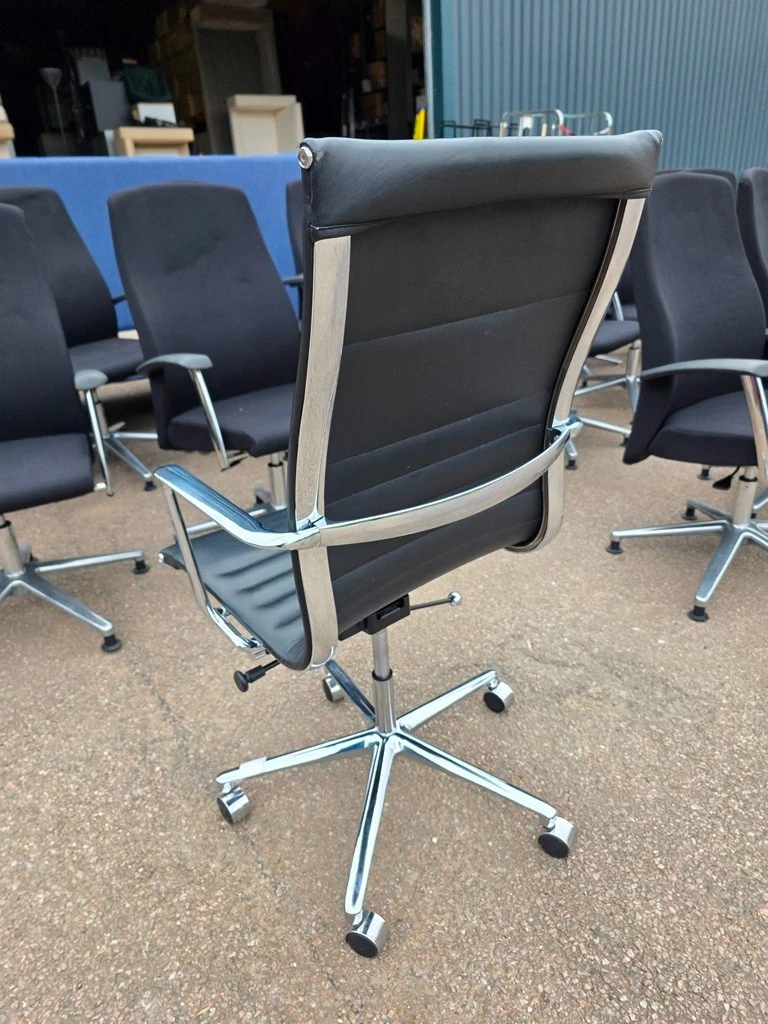
Why Buying Second Hand Office Chairs Makes Sense
Furnishing an office with second hand used office chairs is one of the most cost-effective decisions a business can make. You get the same ergonomic support, brand quality, and ninety-degree comfort as a new chair, often at a fraction of the price, and you keep perfectly usable furniture out of landfill. The only real difference between a second hand chair and a brand-new one is presentation, and that gap can be closed with a proper clean, a few repairs, and a little patience.
What You'll Need Before You Start
Cleaning Kit Checklist
Vacuum cleaner with an upholstery attachment
Mild dish soap or upholstery shampoo
Microfibre cloths and a soft-bristled brush
White vinegar and baking soda
Isopropyl alcohol wipes for arms and controls
Screwdriver and Allen key set
Silicone or lithium spray for moving parts
Leather conditioner (if applicable)
Step-by-Step Guide to Cleaning Used Office Chairs
Step 1: Inspect and Disassemble
Start by giving the chair a full inspection in good light. Check the seat and back cushions, the armrests, the five-star base, the casters, and the gas lift for damage, looseness, or excessive wear. Where possible, remove the seat cushion, armrests, and castors. Working on individual parts makes cleaning far more thorough than trying to clean the chair as one assembled unit, and it gives you a chance to spot problems that are easy to miss when everything is bolted together.
Step 2: Vacuum and Dust Everything
Before any liquid touches the chair, vacuum the entire surface with an upholstery attachment to lift loose dust, hair, and debris from seams, piping, and the underside of the seat. This step alone makes a noticeable difference to used reception chair stock that has been sitting in storage, and it stops you from grinding dust into the fabric once you start cleaning wet.
Step 3: Clean the Fabric or Leather Upholstery
For fabric seats, mix a small amount of mild dish soap with warm water, work it into a light foam, and apply it with a soft brush in gentle circular motions, always testing an inconspicuous patch first. Blot away moisture and soap residue with a clean, damp cloth rather than scrubbing, which can push staining deeper into the weave. For leather or faux leather, a simple wipe-down with a damp microfibre cloth and mild soap is usually enough, followed by a leather conditioner to stop the material drying out and cracking over time.
Step 4: Clean the Frame, Base, and Casters
Wipe down the plastic and metal frame with a damp cloth and mild detergent, paying close attention to the armrests and control levers, which tend to carry the most grime from daily handling. Isopropyl alcohol wipes work well for disinfecting these high-contact areas. Casters often collect a surprising amount of hair, fluff, and thread wound tightly around the axle; a flathead screwdriver or seam ripper is usually enough to clear it out. Once clean, a light spray of silicone lubricant on the wheels and gas lift mechanism restores smooth movement.
Step 5: Address Odours
Musty smells are common in used office chairs that have been in storage, but they are rarely permanent. Sprinkle baking soda generously over the fabric, leave it for several hours or overnight, then vacuum thoroughly. For a lingering smell, a light misting of a 50/50 water and white vinegar solution followed by air-drying in a well-ventilated space usually finishes the job without leaving any scent of its own.
Restoring a Used Reception Chair to Reception-Ready Condition
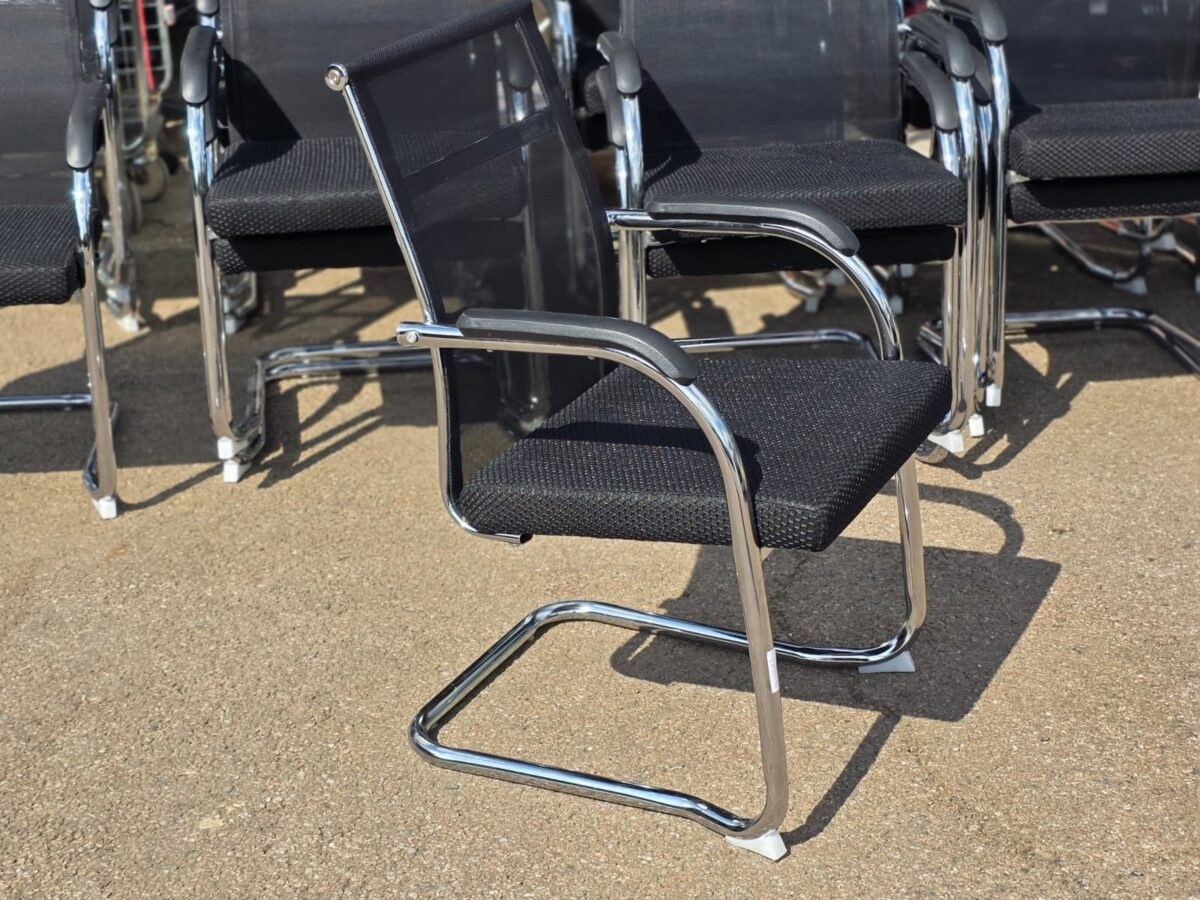
A reception chair carries more visual weight than a back-office seat because it is the first thing a visitor sees and sits in, so it is worth going a step further here. Beyond the standard clean, check that the chair sits level and doesn't wobble, tighten every visible bolt, and polish any chrome or metal detailing with a soft cloth to bring back the shine. If the armrests or headrest show cracking, replacement caps or pads are inexpensive and instantly modernise the look. A restored used reception chair should not just be clean; it should look intentional, as though it was chosen rather than simply inherited.
Fixing Common Wear and Tear Issues
Loose or squeaky joints: tighten all screws and bolts, then apply a small amount of silicone spray to hinges and pivot points.
Worn armrest pads: replacement covers or pads are widely available and are a quick, affordable upgrade.
Slow-sinking gas lift: often fixable with a gas cylinder replacement kit rather than replacing the whole chair.
Small tears or scuffs in leather: a leather repair compound in a matching colour can disguise minor damage effectively.
Stiff or sticking casters: remove trapped debris and lubricate the wheel housing rather than replacing the caster outright.
Fabric vs Leather: A Quick Comparison
Different upholstery types call for slightly different care. Use this as a quick reference once your chair is disassembled and ready to clean.
Task | Fabric Upholstery | Leather / Faux Leather |
Everyday cleaning | Vacuum weekly with upholstery attachment | Wipe daily with a dry microfibre cloth |
Stain removal | Fabric-safe upholstery shampoo, blot don't scrub | Mild soap and water, then leather conditioner |
Odour treatment | Baking soda left overnight, then vacuum | Wipe with diluted white vinegar solution |
Protection | Fabric guard spray after cleaning | Leather conditioner every 3 to 6 months |
Maintenance Tips to Keep Second Hand Used Office Chairs Looking Good
Restoration only pays off if it lasts, so build a light maintenance routine into the office cleaning schedule. A weekly vacuum, a monthly wipe-down of arms and controls, and a quarterly check of bolts and casters will keep chairs performing well for years. Keeping chairs away from direct sunlight also helps prevent fabric fading and leather cracking, which is one of the most common reasons older office seating starts to look dated.
When to Repair vs Replace
Most issues with second hand office chairs, from stains and odours to loose fittings and worn armrests, are fixable with the steps above. The exceptions are a cracked five-star base, a torn or badly damaged gas lift housing, or a frame that flexes under normal weight, all of which affect safety rather than appearance and are worth replacing outright. As a rule of thumb, if the core mechanism and frame are sound, cleaning and minor repairs will almost always get a used office chair back to a like-new standard.
Comments
Log in or sign up to join the conversation.