
In industries where precision, durability, and consistent performance are essential, selecting the right tungsten manufacturer plays a significant role in ensuring product quality and operational efficiency. Tungsten is recognized worldwide for its exceptional hardness, high melting point, excellent wear resistance, and remarkable strength under extreme temperatures. These characteristics make it an indispensable material for industries such as aerospace, automotive, mining, electronics, defense, energy, and manufacturing.
Whether a business requires high-performance components or custom-engineered metal solutions, working with an experienced supplier ensures reliability, product consistency, and long-term value. This article explores the importance of tungsten, its industrial applications, and the qualities businesses should consider when selecting a trusted manufacturing partner.
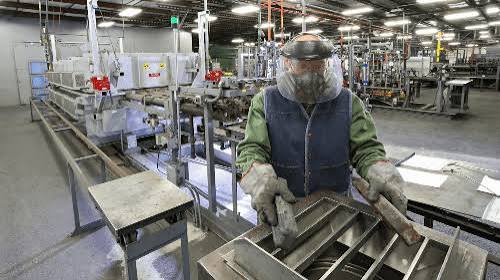
Understanding Tungsten and Its Industrial Importance
Tungsten is one of the strongest and most heat-resistant metals available today. It has the highest melting point among all pure metals, making it ideal for applications where conventional materials cannot withstand demanding operating conditions.
Its outstanding physical and mechanical properties include:
Exceptional hardness and durability
High melting point exceeding 3,400°C
Excellent resistance to corrosion
Superior wear resistance
High density for specialized engineering applications
Reliable thermal and electrical conductivity
These properties enable tungsten-based products to perform efficiently even in harsh industrial environments.
Major Industrial Applications of Tungsten
Tungsten is widely used across multiple sectors because of its unique performance characteristics. Manufacturers produce a wide range of components designed to meet specific industrial requirements.
Aerospace Industry
Aircraft and aerospace systems require materials capable of performing under intense pressure and extreme temperatures. Tungsten components are commonly used in balancing weights, shielding systems, and high-temperature engine applications due to their exceptional durability.
Mining and Construction
Mining equipment operates under abrasive conditions where wear-resistant materials are essential. Tungsten carbide tools significantly increase equipment lifespan while reducing maintenance costs and operational downtime.
Automotive Manufacturing
Automotive companies use tungsten in cutting tools, wear-resistant components, electrical contacts, and specialized engine parts. Its strength contributes to higher manufacturing precision and improved production efficiency.
Electronics Industry
The electronics sector relies on tungsten for semiconductor production, electrical contacts, heat sinks, and precision electronic components. Its thermal stability supports reliable performance in advanced electronic devices.
Medical Equipment
Medical technology manufacturers use tungsten in radiation shielding, imaging equipment, and specialized surgical instruments. Its density and durability make it an excellent material for healthcare applications.
Benefits of High-Quality Tungsten Products
Investing in premium tungsten products provides several long-term advantages for industrial operations.
Improved Product Durability
High-quality tungsten components resist wear and deformation even after prolonged use. This durability reduces replacement frequency and extends equipment life.
Enhanced Operational Efficiency
Precision-manufactured tungsten parts improve machine performance, helping businesses maintain consistent productivity while minimizing downtime.
Lower Maintenance Costs
Durable materials reduce equipment failures and maintenance requirements, allowing organizations to optimize operating expenses over time.
Superior Performance in Extreme Conditions
Tungsten maintains its structural integrity under high temperatures, heavy loads, and challenging industrial environments where many other materials fail.
Excellent Return on Investment
Although premium tungsten products may involve a higher initial investment, their long service life and reduced maintenance costs often result in significant long-term savings.
Factors to Consider When Choosing a Manufacturing Partner
Selecting the right supplier requires more than comparing prices. Businesses should evaluate several important factors before making a decision.
Manufacturing Expertise
Experience in precision metal manufacturing demonstrates technical capability and a deep understanding of industry-specific requirements. A knowledgeable supplier can recommend suitable grades, designs, and production methods for various applications.
Quality Assurance
Reliable manufacturers maintain strict quality control throughout the production process. Consistent inspections, material testing, and adherence to international standards ensure dependable product performance.
Advanced Manufacturing Technology
Modern production equipment enables greater precision, tighter tolerances, and consistent product quality. Companies that invest in advanced manufacturing technologies are better positioned to deliver superior results.
Custom Manufacturing Capabilities
Every industry has unique operational requirements. A manufacturer offering customized solutions can develop products tailored to specific dimensions, performance expectations, and technical specifications.
Reliable Supply Chain
Timely delivery is essential for maintaining uninterrupted production schedules. A dependable manufacturing partner should have efficient production planning, inventory management, and logistics capabilities.
Technical Support
Professional customer support helps businesses choose appropriate materials, optimize designs, and resolve technical challenges efficiently throughout the project lifecycle.
The Importance of Precision Engineering
Industrial applications often demand components manufactured within extremely tight tolerances. Precision engineering ensures each part performs consistently while meeting exact customer specifications.
Accurate machining improves:
Product reliability
Equipment compatibility
Manufacturing efficiency
Operational safety
Overall system performance
Precision manufacturing also reduces material waste and minimizes production errors, contributing to better cost efficiency.
Sustainability in Modern Metal Manufacturing
Sustainability has become an important priority across industrial sectors. Responsible manufacturers adopt environmentally conscious production practices while maintaining product quality.
Common sustainable initiatives include:
Recycling production materials
Reducing energy consumption
Optimizing manufacturing processes
Minimizing industrial waste
Improving production efficiency
These practices help reduce environmental impact while supporting long-term business sustainability.
Why Long-Term Supplier Relationships Matter
Building a long-term partnership with a reliable manufacturer offers several strategic advantages. Businesses benefit from consistent product quality, predictable delivery schedules, technical expertise, and ongoing product improvements.
Strong supplier relationships also improve communication, streamline procurement processes, and support continuous innovation as industrial requirements evolve.
Organizations working with experienced manufacturing partners often experience greater operational stability and improved supply chain reliability.
Future Trends in Tungsten Manufacturing
Industrial manufacturing continues to evolve through technological advancements and increasing demand for high-performance materials.
Some emerging trends include:
Advanced precision machining technologies
Automation in manufacturing processes
Improved quality inspection systems
Greater customization capabilities
Sustainable production practices
Enhanced research into high-performance tungsten alloys
These developments are expected to improve production efficiency while expanding the range of applications for tungsten-based products.
Conclusion
Choosing the right tungsten manufacturer is an important decision that directly influences product quality, operational efficiency, and long-term business success. A trusted manufacturing partner offers technical expertise, precision engineering, consistent quality standards, and dependable customer support to meet the evolving demands of modern industries. By evaluating experience, manufacturing capabilities, quality assurance processes, and customization options, businesses can establish reliable partnerships that contribute to sustainable growth and improved industrial performance.
Comments
Log in or sign up to join the conversation.