
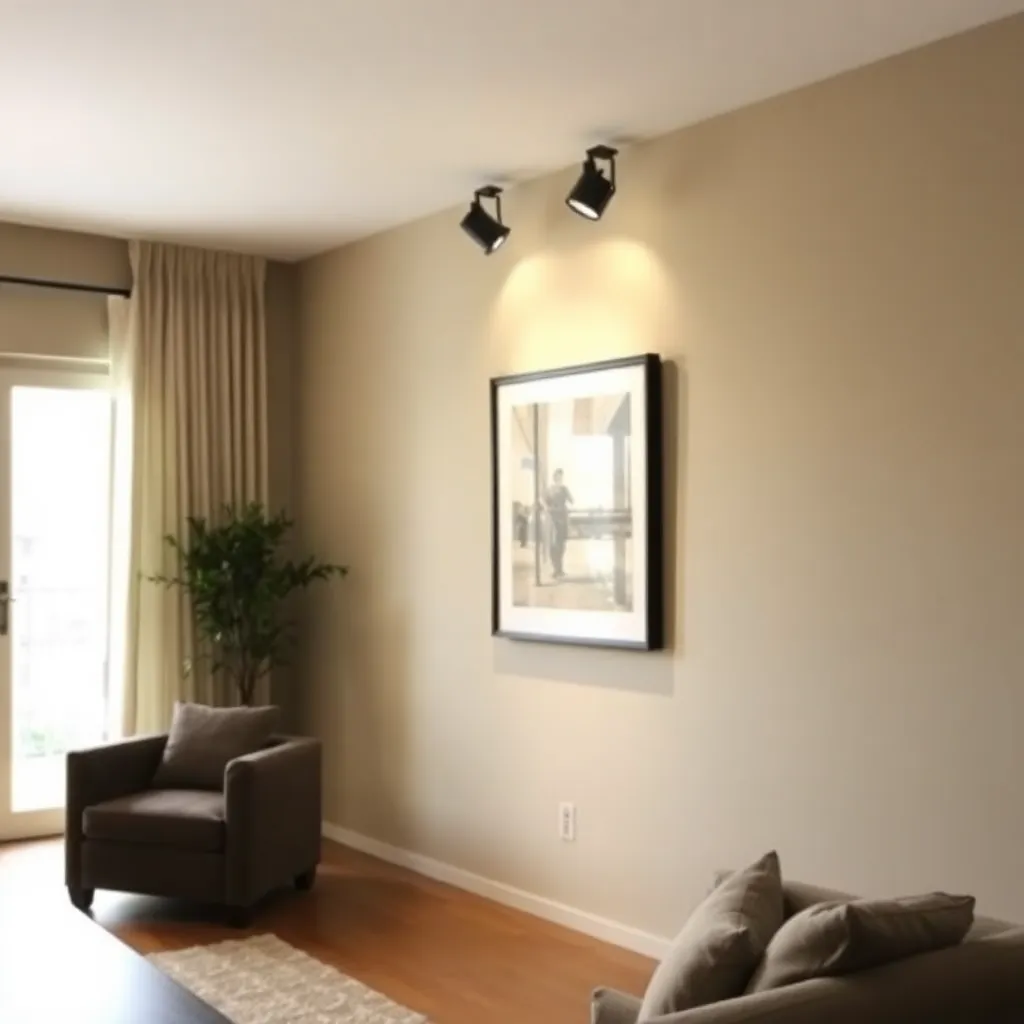
A table lamp may occupy only a small amount of space, yet it can influence an entire corner of a room.
It can make a console feel more balanced, give a reading chair a practical source of illumination, soften a bedroom bedside arrangement, or add warmth to an otherwise minimal setting.
Choosing the right one is therefore less about finding a beautiful object and more about understanding proportion, purpose, light quality, and context.
Match the Lamp to the Furniture
The relationship between the lamp and its supporting furniture is important.
A Wooden Coffee Table/طاولة كوفي خشب may benefit from a lamp placed on a nearby side table rather than directly on the centre of the coffee table. This keeps the central surface usable while allowing the warm glow to extend across the seating arrangement.
Furniture materials also influence the choice. Timber, stone, glass, and metal each create different visual relationships with a lamp base and shade.
Begin With the Surface
Before looking at lamp styles, examine the furniture where the lamp will sit.
A narrow console requires a different proportion from a deep sideboard. A bedside table may need a compact base, while a spacious living room cabinet can accommodate something more substantial.
Leave Enough Working Space
A lamp should not consume the entire surface.
Allow room for books, decorative objects, trays, or everyday items. The lamp should feel like part of the arrangement rather than the only object occupying it.
Think About Height
Height is one of the easiest ways to make a lamp feel either intentional or awkward.
A lamp beside a sofa should provide useful light without placing the bulb directly within the user's eye line.
On a bedside table, the top of the shade should generally relate comfortably to the height of the mattress and headboard.
Consider the Shade
The shade controls much of the lamp's visual character and light distribution.
Opaque shades direct illumination more selectively. Translucent materials create a softer glow.
A wider shade can feel substantial, while a narrow shade may suit a smaller piece of furniture.
Choose the Light for the Activity
A decorative lamp does not have to provide strong illumination, but a reading lamp does.
Ask how the area will actually be used.
If the lamp is intended for reading, writing, or detailed work, the output and direction of light become more important. If it is primarily atmospheric, softness may matter more.
Coordinate With the Interior Palette
A lamp does not need to match every other object in the room.
Instead, look for relationships.
The finish may echo a metal detail elsewhere. The shade may relate to curtains or upholstery. The base could complement a stone surface.
Subtle repetition creates cohesion without making the interior appear overly coordinated.
Explore Different Styles
The UAE market offers a wide variety of decorative lighting styles, from understated contemporary forms to more expressive sculptural pieces.
Table Lamps Dubai collections can range from compact bedside designs to larger decorative pieces intended for living rooms and entrance areas.
Rather than selecting based on trend alone, consider whether the shape will remain compatible with the room if other furniture changes later.
Use Pairs When Symmetry Helps
Two matching lamps can provide balance on a console, sideboard, or bedside arrangement.
Symmetry is particularly useful when furniture itself has a formal structure.
However, matching lamps are not mandatory. Two related but different designs can create a more relaxed composition when the rest of the room already has strong symmetry.
Consider Scale Across the Room
A small lamp may disappear in a large room with substantial furniture.
Likewise, an oversized lamp can dominate a delicate setting.
Stand back and assess the entire room rather than judging the lamp from close range.
Think About Shadows
The lamp should illuminate more than itself.
Look at where the light falls. Does it create a pleasant glow across the wall? Does it illuminate the surface beneath it? Does the shade produce a distracting shadow?
A lamp's effect can be very different depending on its position.
Use Dimmers for Flexibility
A dimmable table lamp is particularly useful in living spaces and bedrooms.
It can provide brighter illumination when required and become a softer decorative source later.
This makes one fixture capable of supporting several moods.
Don't Forget Practical Details
Cable placement matters. Switch accessibility matters. Shade cleaning matters. Stability matters.
A beautiful lamp that constantly gets knocked over or has an awkward switch quickly becomes frustrating.
For a premium interior, practicality should be invisible rather than ignored.
The ideal table lamp feels as though it naturally belongs where it has been placed. Its dimensions relate to the furniture, its light responds to the activity, and its materials complement the surrounding palette without copying it exactly. Start with the surface, consider height and shade proportions, then evaluate brightness and practical use. Once those fundamentals are right, decorative style becomes much easier to choose. A small lamp can then provide something surprisingly valuable: a focused point of warmth that makes the surrounding interior feel more complete.
Comments
Log in or sign up to join the conversation.