

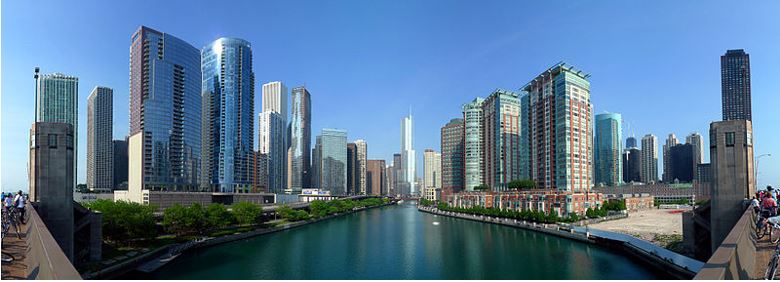
Known as the Windy City and most famous for its deep-dish pizza and architecture, Chicago has become a very popular city for renters looking to enjoy the hustle and bustle of an ever-growing city. Chicago is the third largest city in the U.S. and is home to many notable attractions including Millennium Park, Willis Tower, Navy Pier, and Cloud Gate.
But, before relocating to the Jewel of the Midwest, it's important to understand the cost of living in Chicago. Here are all of the details you need to know to ensure that you can afford to live comfortably in the city.
Cost of Living Overview
Chicago isn't the cheapest city to live in, but it's much more affordable when compared to other booming urban areas. According to PayScale, the cost of living in Chicago is 23% higher than the national average. Most cost of living expenses are more expensive in Chicago.
For example, you'll pay 55% more on housing and 26% more on transportation when compared to the national average. On the positive side, utilities tend to be cheaper and health care is on par with what the rest of the country pays.
Renting Costs
Compared to other cities, Chicago offers extremely affordable options for renters. Lower rental costs mean a lower cost of living.
In Chicago, the average rent for a studio apartment is $1,078. For a one-bedroom, you can expect to pay around $1,341 per month. A two-bedroom apartment averages around $1,744 per month, and in some neighborhoods you'll find complexes with three bedroom apartments that cost around $2,158 a month. Some of the most affordable rentals in and around the city include Lincoln Park, North Center, Edgewater, and Lincoln Square.
While these prices aren't the cheapest in the state, they're well below prices found in other big cities like New York and Dallas.
Utilities
As a renter, not only are you responsible for monthly rental costs, you'll also likely need to pay utility costs as well. Unless you find a complex that pays for water and electric costs, you can expect to pay a few hundred dollars a month towards utilities.
On average, Chicago residents pay around $121 a month for utilities, which includes heating, water, electricity, and garbage costs. If you factor in other utilities such as television, cable, and internet, you’ll want to add in another $40-$100 to the total monthly cost.
To find the most affordable internet service, compare the best internet providers in Chicago and then ask for price matching or a bundle deal. Most providers offer package discounts and savings opportunities for new customers.
Transportation
Another cost of living expense to consider is transportation. If you don't have a car, you'll need to rely on public transportation, such as the subway or bus, to get around the city. The Chicago Transit Authority offers an unlimited monthly pass for $100. This is less than the cost of similar passes available in New York and LA.
If you have a car, you'll need to purchase a Chicago City Vehicle Sticker. This is a yearly expense that ensures you're compliant with the Chicago Wheel Tax. Annual fees depend on vehicle type:
- Motorcycles - $46.49
- Passenger vehicle - $87.82
- Large passenger vehicle/ SUV - $139.48
- Pick-up truck or van - $206.63
- Large truck - $464.92
Another expense for owning a car is gas. Chicago gas prices are above the national average but have declined in the last few months. For a price of gas, you can expect to pay around $3.11 per gallon.
Food
You can't visit Chicago, let alone live there, without trying the amazing cuisine. The average three-course meal for two people at a mid-range restaurant in the city costs around $65.00. Most inexpensive restaurants cost around $12.
Make note that there's a 1.25% tax on prepared meals in downtown Chicago. Outside of the downtown area, the tax drops to 0.25%. You’ll also be charged state and local sales taxes.
Chicago is one of the few cities that taxes grocery store items. The tax rate is 2.25%. Thankfully most produce is priced lower than the national average, which helps to offset tax charges. To save money, cook at home as much as possible and only splurge on expensive meals for special occasions.
Entertainment
Chicago offers more entertainment that you can imagine. Enjoy time at the Chicago Symphony Orchestra where single tickets start at $23. Get your laugh on at Second City or listen to your favorite musicians at Lollapalooza, the city’s annual summer music festival. If you’re a sports fan, you can watch the Cubs at Wrigley Field or head to South Side for a White Sox game. There are also events for the Chicago Bears (football) and the Chicago Bulls (basketball).
Conclusion
Chicago isn’t the most expensive city to live in, but it’s not the most affordable either. By thoroughly understanding the cost of living in the city, you can ensure that you’re making the right choice in relocating to the windy city.
Comments
Log in or sign up to join the conversation.