
Achieve Superior Machining Results with High-Performance CNC Tools
Introduction
In today's competitive manufacturing industry, precision and operational efficiency are essential for maintaining product quality and reducing production costs. From automotive and aerospace to medical devices and heavy engineering, every manufacturing sector depends on reliable machining processes to produce accurate components within strict tolerances. While advanced CNC machines play a significant role, the quality of the cutting tools used is equally important.
A high-performance CNC tool is the foundation of efficient machining. It enhances cutting accuracy, improves surface finish, reduces machine downtime, and extends tool life. Choosing the right tooling not only increases production efficiency but also minimizes waste and maintenance expenses.
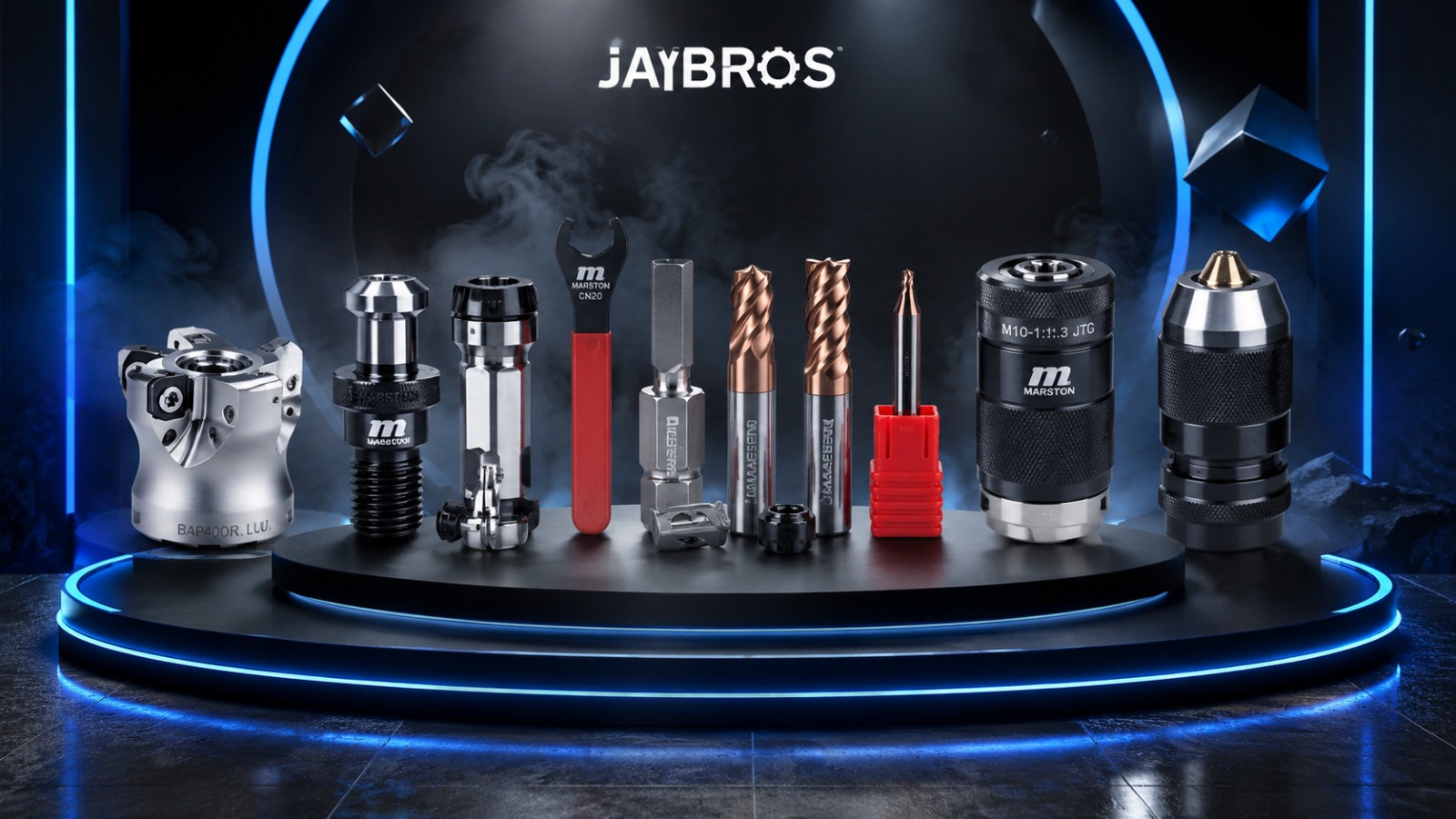
Manufacturers today often compare suppliers by purchasing CNC tools online or searching for CNC tools near me to find dependable solutions that match their production requirements. This guide explains how selecting the right tooling improves machining precision, supports operational excellence, and contributes to long-term business success.
Why High-Quality Tooling Matters
Modern CNC machining involves highly automated operations that require consistent accuracy. Even the most advanced machining center cannot produce superior results if poor-quality tools are used.
A premium CNC tool delivers several important advantages:
Better dimensional accuracy
Improved cutting consistency
Reduced machine vibration
Longer operational life
Lower production costs
Higher productivity
Low-quality tooling, however, wears quickly and often leads to inconsistent cuts, rough surface finishes, and frequent machine stoppages. These issues increase manufacturing costs while reducing customer satisfaction.
Precision Begins with the Right Tool
Precision is critical in industries where even a small dimensional error can result in product failure.
A reliable CNC tool helps manufacturers achieve:
Tight Tolerances
High-quality cutting edges maintain dimensional accuracy throughout long production runs.
Better Surface Finish
Superior tooling minimizes vibration and chatter, creating smoother surfaces that require less post-processing.
Consistent Repeatability
Manufacturers can produce thousands of identical components while maintaining the same quality standards.
Reduced Scrap
Accurate cutting reduces defective parts, lowering material waste and production costs.
These benefits are particularly important in industries where quality standards are extremely demanding.
Understanding the Types of CNC Machine
Selecting the appropriate tooling starts with understanding the different types of CNC machine used across manufacturing industries.
CNC Milling Machines
Used for drilling, contouring, slotting, and surface machining using rotating cutting tools.
CNC Lathes
Designed for machining cylindrical components by rotating the workpiece against stationary cutting tools.
CNC Routers
Suitable for machining plastics, wood, composites, and lightweight metals.
CNC Grinding Machines
Used to achieve superior surface finishes and high dimensional accuracy.
CNC Plasma Cutting Machines
Ideal for rapidly cutting conductive metals.
CNC Laser Machines
Provide exceptional cutting precision for sheet metals and delicate materials.
Each machine requires specialized tooling to achieve maximum productivity and machining quality.
Choosing the Best CNC Tools
Selecting the best CNC tools requires evaluating more than just pricing.
Manufacturers should consider:
Material Compatibility
Different workpiece materials require different tool geometries and coatings.
Tool Coatings
Modern coatings improve wear resistance while reducing heat generation during machining.
Rigidity
Rigid tooling reduces vibration and improves dimensional accuracy.
Cutting Speed
Premium tools support higher cutting speeds while maintaining excellent machining performance.
Selecting the correct CNC tool for each machining application significantly improves productivity while reducing operating costs.
Deskar Inserts: Reliable Performance for Modern Machining
Among today's most popular indexable cutting solutions are Deskar inserts.
These inserts are widely used in turning, milling, grooving, and profiling operations because they offer:
Excellent wear resistance
Consistent cutting quality
Fast replacement
Lower tooling costs
High-speed machining capability
Manufacturers appreciate Deskar inserts because they improve machining efficiency while reducing downtime associated with insert changes.
Selecting the correct insert grade and geometry further enhances machining performance across different materials.
Thread Mill: Improving Thread Quality
Threading is one of the most demanding machining operations.
A thread mill provides several advantages over conventional taps.
These include:
Better thread accuracy
Lower tool breakage
Improved chip evacuation
Multiple thread size capability
Greater machining flexibility
Thread milling is especially valuable when machining expensive workpieces where tool failure could become costly.
Precision Measurement with Digital Vernier Caliper
No machining process is complete without accurate inspection.
A digital vernier caliper allows operators to verify component dimensions quickly and accurately throughout production.
Benefits include:
Easy digital display
High measurement accuracy
Metric and inch conversion
Reduced reading errors
Faster quality inspections
Using precision measuring equipment ensures every finished component meets engineering specifications before leaving the production line.
Benefits of Investing in Premium Tooling
Investing in superior tooling offers several measurable advantages:
Improved machining consistency
Reduced downtime
Lower maintenance costs
Higher machine utilization
Longer equipment life
Better customer satisfaction
A premium CNC tool should be viewed as a long-term investment rather than simply a production expense.
By selecting reliable tooling, manufacturers improve both product quality and operational efficiency.
Buying CNC Tools Online vs Local Suppliers
The way manufacturers purchase industrial tooling has evolved significantly over the years. Today, businesses have the convenience of sourcing CNC tools online, while many still prefer searching for CNC tools near me to receive immediate support and faster delivery. Both options offer unique advantages depending on production requirements.
Advantages of Buying CNC Tools Online
Online purchasing has become increasingly popular because it provides manufacturers with access to a wider range of products and brands. Buyers can compare technical specifications, pricing, and customer reviews before making purchasing decisions.
Some key benefits include:
Larger product selection
Competitive pricing
Easy comparison between brands
Convenient ordering process
Access to the latest tooling technologies
Online sourcing is especially useful for businesses looking for specialized products that may not be available locally.
Advantages of Local Suppliers
Despite the growth of e-commerce, local distributors continue to play an important role in industrial procurement.
Searching for CNC tools near me allows manufacturers to benefit from:
Immediate product availability
Faster delivery
Technical consultation
Product demonstrations
Reliable after-sales service
Many successful manufacturers use a combination of online suppliers and local distributors to maintain flexibility while minimizing production delays.
Common Mistakes That Reduce Machining Performance
Even experienced machine shops sometimes make tooling decisions that negatively impact productivity and profitability.
Avoiding these common mistakes can improve machining performance significantly.
Selecting Tools Based Only on Price
Many businesses purchase low-cost tooling to reduce immediate expenses. However, poor-quality tools often require frequent replacement, generate inconsistent results, and increase production costs over time.
A quality CNC tool offers greater long-term value by delivering consistent performance and a longer service life.
Ignoring Workpiece Material
Every material behaves differently during machining. Aluminum, stainless steel, cast iron, titanium, and hardened alloys all require different cutting geometries, coatings, and machining parameters.
Using the wrong tooling reduces efficiency and shortens tool life.
Incorrect Cutting Parameters
Running machines with incorrect spindle speeds or feed rates creates unnecessary heat and vibration, leading to poor surface finish and premature wear.
Following manufacturer recommendations helps maximize tool performance.
Delaying Tool Replacement
Using worn cutting edges can damage expensive workpieces and place additional stress on machine spindles.
Routine inspection and timely replacement maintain consistent machining quality.
Poor Maintenance Practices
Proper cleaning, storage, and inspection of tooling significantly extend service life and reduce unexpected failures.
Tips for Maximizing Tool Performance
Manufacturers can improve machining efficiency by following several best practices.
Select Application-Specific Tooling
Choose tools designed specifically for the material being machined.
Monitor Tool Wear
Replacing tools before complete failure protects both the machine and the workpiece.
Optimize Machining Parameters
Using proper cutting speeds, feed rates, and coolant improves productivity while reducing wear.
Maintain Machine Rigidity
Stable machine setups minimize vibration and improve dimensional accuracy.
Invest in Premium Tooling
Selecting a reliable CNC tool allows manufacturers to achieve greater precision, longer tool life, and improved operational efficiency.
Future Trends in CNC Tooling
Modern manufacturing continues to evolve through innovation and digital transformation.
Several technologies are shaping the future of CNC machining.
Smart Tool Monitoring
Sensors now monitor tool wear in real time, allowing operators to replace tools before machining quality declines.
Artificial Intelligence
AI-powered machining software automatically adjusts cutting parameters for maximum efficiency.
Advanced Tool Coatings
Nano-coatings and advanced carbide technologies increase wear resistance while supporting higher cutting speeds.
Industry 4.0 Integration
Connected manufacturing systems collect machining data, helping businesses optimize productivity and reduce downtime.
Sustainable Manufacturing
Manufacturers are increasingly investing in durable tooling that minimizes waste while improving energy efficiency.
These innovations continue to improve machining accuracy while lowering production costs.
Why Tool Quality Is a Competitive Advantage
Manufacturing competition continues to increase across every industry.
Companies that invest in superior tooling experience:
Greater machining precision
Higher production efficiency
Lower operational costs
Reduced material waste
Improved customer satisfaction
Better profitability
Selecting a dependable CNC tool enables manufacturers to maintain consistent quality while meeting demanding production schedules.
Quality tooling is no longer simply an operational requirement—it has become a competitive advantage.
Conclusion
Precision and operational efficiency are the driving forces behind successful manufacturing. From selecting the right cutting geometry to using reliable measuring instruments and modern insert technologies, every decision influences machining performance. A premium CNC tool improves dimensional accuracy, extends tool life, reduces downtime, and lowers the total cost of production. As manufacturing standards continue to evolve, investing in quality tooling remains one of the most effective ways to improve productivity and achieve long-term business growth.
For businesses seeking reliable industrial tooling solutions, Jaibros is a trusted destination for premium machining products. Jaibros offers a comprehensive range of cutting tools, Deskar inserts, thread mill solutions, precision measuring instruments like the digital vernier caliper, and a wide variety of industrial accessories to meet the needs of modern manufacturing. With a strong commitment to quality, durability, and customer satisfaction, Jaibros helps manufacturers improve machining accuracy, streamline operations, and achieve greater operational efficiency across every production cycle.
Frequently Asked Questions (FAQs)
1. Why is choosing the right CNC tool important?
The right tooling improves machining accuracy, reduces downtime, extends tool life, minimizes waste, and enhances overall production efficiency.
2. What are the common types of CNC machine?
The major types of CNC machine include CNC milling machines, CNC lathes, CNC routers, CNC grinding machines, CNC plasma cutters, and CNC laser machines.
3. What are the advantages of using Deskar inserts?
Deskar inserts provide excellent wear resistance, faster replacement, consistent cutting performance, and lower tooling costs in turning and milling applications.
4. Why should manufacturers use a thread mill?
A thread mill produces accurate threads, improves chip evacuation, reduces breakage, and offers greater flexibility than conventional tapping methods.
5. Should I buy CNC tools online or from local suppliers?
Buying CNC tools online offers wider product selection and competitive pricing, while searching for CNC tools near me provides faster delivery, technical support, and immediate product availability. A combination of both sourcing methods is often the best approach.
Comments
Log in or sign up to join the conversation.