

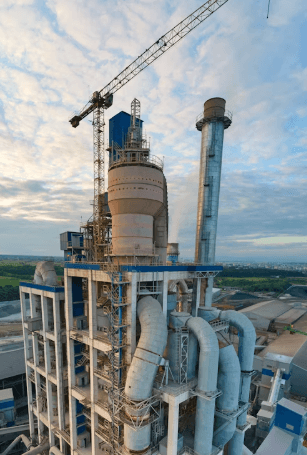
The Bio-CNG industry is evolving rapidly as businesses and governments invest in cleaner energy solutions. Modern Bio-CNG plants are no longer dependent only on mechanical systems. Today, digital monitoring and automation have become essential for achieving higher efficiency, stable gas production, and lower operating costs.
A Bio-CNG plant processes organic waste into renewable fuel through anaerobic digestion. Since every stage of this process depends on biological and mechanical performance, even small variations in temperature, pressure, pH, or feedstock quality can reduce methane production. This is where smart monitoring systems make a significant difference.
An experienced Bio-CNG Plant Manufacturer & EPC Company integrates advanced monitoring technologies that help plant operators track every important parameter in real time. These systems improve plant performance, reduce downtime, and increase profitability.
In this blog, let's understand how smart monitoring systems are transforming Bio-CNG plants and why they have become an important part of modern renewable energy projects.
Why Monitoring Is Essential in a Bio-CNG Plant
A Bio-CNG plant operates continuously. The digestion process involves microorganisms that are highly sensitive to changes in operating conditions.
Without proper monitoring, problems such as poor gas production, equipment failures, or process instability may remain unnoticed until they become expensive to fix.
Smart monitoring systems help operators:
Monitor plant performance 24/7
Detect equipment issues early
Maintain stable methane production
Improve operational efficiency
Reduce maintenance costs
Ensure plant safety
For businesses investing in renewable energy, these benefits directly improve the return on investment.
What Is a Smart Monitoring System?
A smart monitoring system combines sensors, automation, software, and communication technologies to collect and analyze real-time plant data.
The system continuously monitors critical operating conditions and alerts operators whenever any parameter moves outside the desired range.
Most modern Bio-CNG plants use:
PLC (Programmable Logic Controller)
SCADA (Supervisory Control and Data Acquisition)
IoT-enabled sensors
Remote monitoring software
Cloud-based dashboards
Mobile applications
A trusted Bio-CNG Plant Manufacturer & EPC Company designs and integrates these technologies according to the plant's capacity and operational requirements.
Real-Time Monitoring Improves Gas Production
Methane production depends on maintaining ideal biological conditions inside the digester.
Smart systems continuously monitor:
Digester temperature
pH level
Organic loading rate
Slurry consistency
Hydraulic retention time
Gas flow
If any parameter begins to change, operators receive immediate alerts and can take corrective action before production drops.
This helps maintain stable gas generation throughout the year.
Better Feedstock Management
Feedstock quality directly affects plant performance.
Different organic materials produce different methane yields.
Smart monitoring systems help track:
Daily feedstock quantity
Moisture content
Organic solids
Mixing ratio
Feeding schedule
By maintaining consistent feedstock quality, plants achieve higher digestion efficiency and better gas recovery.
This is particularly useful for plants processing agricultural waste, food waste, municipal organic waste, or industrial waste.
Continuous Gas Quality Monitoring
Raw biogas contains methane along with carbon dioxide, hydrogen sulfide, moisture, and other impurities.
Before compression, the gas must meet quality standards.
Monitoring systems continuously measure:
Methane concentration
Carbon dioxide level
Hydrogen sulfide concentration
Oxygen level
Moisture content
Maintaining gas quality ensures smooth operation of purification systems and improves the final Bio-CNG product.
An experienced Bio-CNG Plant Manufacturer & EPC Company selects gas analyzers that provide accurate and reliable measurements.
Predictive Maintenance Reduces Downtime
Unexpected equipment failures can stop production and increase maintenance expenses.
Instead of waiting for equipment to fail, smart monitoring systems identify early warning signs.
These systems monitor:
Motor vibration
Pump performance
Compressor efficiency
Bearing temperature
Electrical load
Pressure fluctuations
Operators receive maintenance alerts before major breakdowns occur.
Predictive maintenance helps:
Reduce repair costs
Increase equipment life
Improve plant availability
Prevent production losses
SCADA Systems Improve Operational Control
SCADA has become one of the most valuable tools in modern Bio-CNG plants.
It provides a centralized dashboard where operators can monitor the entire facility.
SCADA displays:
Live process data
Equipment status
Alarm history
Gas production trends
Power consumption
Plant efficiency reports
Operators can quickly identify abnormal conditions and make informed decisions without manually inspecting every section of the plant.
Remote Plant Monitoring
Many Bio-CNG plants are located in rural or industrial areas.
Smart monitoring allows plant managers to supervise operations remotely using computers, tablets, or smartphones.
Remote access enables:
Live production monitoring
Equipment status updates
Instant notifications
Performance reporting
Faster troubleshooting
This reduces response time and improves overall plant management.
Energy Consumption Optimization
Electricity is one of the major operating expenses in a Bio-CNG plant.
Monitoring systems analyze the power consumption of:
Pumps
Compressors
Blowers
Mixers
Purification units
By identifying inefficient equipment or unnecessary power usage, operators can optimize energy consumption and reduce operating costs.
Lower electricity usage also improves the overall sustainability of the project.
Improved Safety Through Smart Monitoring
Safety is one of the biggest priorities in any Bio-CNG plant.
Since methane is combustible, continuous monitoring is essential.
Smart safety systems include:
Gas leak detectors
Flame sensors
Pressure monitoring
Emergency shutdown systems
Fire alarms
Explosion-proof instrumentation
Automatic alerts allow operators to respond immediately and reduce the risk of accidents.
A reliable Bio-CNG Plant Manufacturer & EPC Company integrates these safety features into every stage of plant design.
Data Analytics Helps Improve Plant Efficiency
Monitoring systems collect valuable operational data every day.
This information helps plant owners analyze:
Daily gas production
Feedstock efficiency
Equipment utilization
Downtime causes
Maintenance history
Seasonal production trends
Using these insights, operators can optimize plant performance and improve productivity over time.
Data-driven decision-making also supports long-term planning and expansion.
Environmental Compliance Becomes Easier
Environmental regulations require proper monitoring of emissions and waste management.
Smart monitoring systems simplify compliance by tracking:
Emissions
Wastewater discharge
Odor control systems
Gas leakage
Process efficiency
Automated reports help businesses demonstrate compliance with regulatory standards and simplify inspections.
Better Operator Productivity
Manual monitoring requires operators to inspect equipment frequently and record data by hand.
Automation reduces repetitive work and allows operators to focus on improving plant performance.
Benefits include:
Faster decision-making
Reduced human error
Improved workflow
Higher operational efficiency
Better resource management
This improves both productivity and plant reliability.
Long-Term Financial Benefits
Although smart monitoring requires an initial investment, the long-term savings are substantial.
Businesses benefit through:
Higher methane production
Lower maintenance costs
Reduced downtime
Better equipment life
Lower electricity consumption
Improved process efficiency
Faster return on investment
These advantages make automation an essential part of modern Bio-CNG projects.
Why Choose an Experienced Bio-CNG Plant Manufacturer & EPC Company?
Installing advanced monitoring systems requires expertise in engineering, instrumentation, automation, and process control.
A trusted Bio-CNG Plant Manufacturer & EPC Company provides complete turnkey solutions, including:
Plant engineering
Automation integration
SCADA implementation
Sensor selection
Control panel design
Equipment procurement
Installation
Commissioning
Operator training
After-sales technical support
Having one experienced partner manage the complete project ensures smooth integration between mechanical systems and digital technologies, resulting in a more reliable and efficient Bio-CNG plant.
Conclusion
Smart monitoring systems have transformed the way Bio-CNG plants operate. Real-time monitoring, automation, predictive maintenance, and remote access help improve methane production, reduce downtime, optimize energy use, and enhance safety.
As Bio-CNG projects become larger and more advanced, digital technologies are no longer optional—they are a key part of efficient plant operations. Businesses that invest in automation benefit from better productivity, lower operating costs, and consistent plant performance.
Partnering with an experienced Bio-CNG Plant Manufacturer & EPC Company ensures that these smart technologies are integrated correctly from the beginning. With the right engineering approach, businesses can build future-ready Bio-CNG plants that deliver reliable renewable energy while maximizing operational efficiency and long-term profitability.
FAQs
1. What is a smart monitoring system in a Bio-CNG plant?
It is a digital system that monitors plant operations in real time using sensors, PLCs, SCADA software, and automation tools.
2. How does smart monitoring improve Bio-CNG plant performance?
It helps maintain stable gas production, detects problems early, reduces downtime, and improves operational efficiency.
3. What parameters are monitored in a Bio-CNG plant?
Temperature, pH, gas pressure, methane concentration, flow rate, equipment performance, and energy consumption.
4. What is SCADA in a Bio-CNG plant?
SCADA is a control and monitoring system that provides real-time data, alarms, reports, and centralized plant management.
5. Can smart monitoring reduce maintenance costs?
Yes. Predictive maintenance identifies equipment issues before failures occur, reducing repair costs and production losses.
Comments
Log in or sign up to join the conversation.