

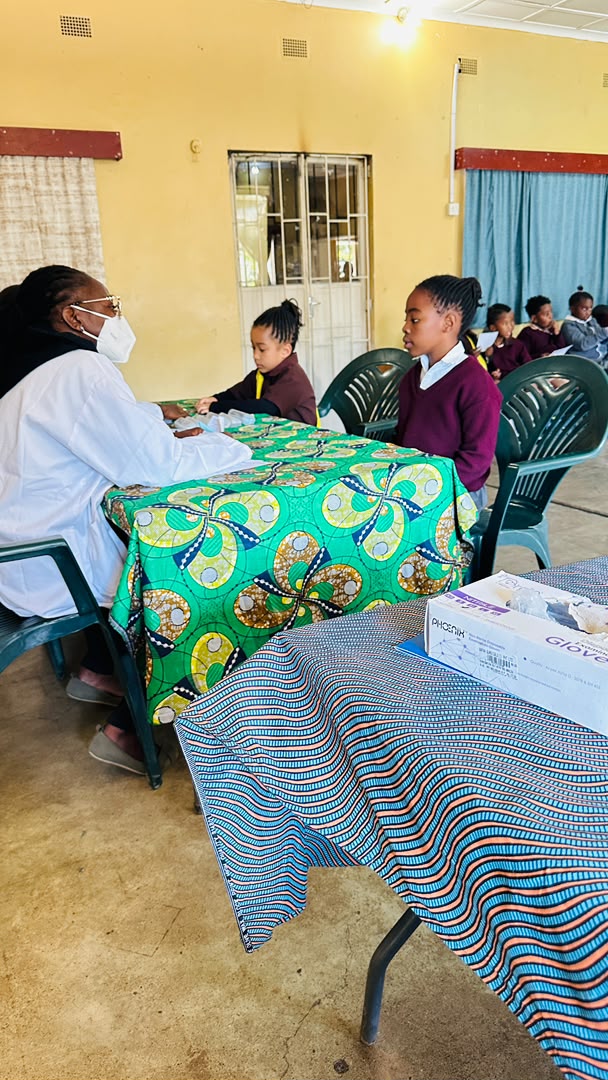
The classroom environment relies heavily on a child's ability to see clearly. From reading what is written on the chalkboard to participating in interactive digital learning and sports, clear sight is basic to academic achievement and personal growth. In 2026, school vision wellness programs launched by an eye clinic in Lusaka Zambia are changing how communities address pediatric eye care. By bringing targeted health screenings out of medical facilities and directly into primary and secondary schools, these initiatives identify visual impairments early, ensuring that children across the city can learn, develop, and excel with confidence.
The Critical Intersection of Vision and Pediatric Education
Many parents and educators assume that a child who struggles in school is simply unfocused, hyperactive, or academically behind. However, clinical evaluations at a professional eye care facility often reveal a entirely different underlying issue: undetected vision impairment. When children cannot see the board or read their textbooks comfortably, they naturally disengage from their schoolwork.
In the past, pediatric eye health was frequently managed reactively. Families would visit an eye specialist clinic Lusaka only after a child complained of severe headaches, eye strain, or a noticeable drop in academic performance. Unfortunately, relying on a child to report a vision problem is highly unreliable. Children who have lived with blurry or distorted vision since birth rarely complain because they have no baseline for normal, healthy sight. They assume that everyone sees the world through a fuzzy filter.
In response to this challenge, school vision wellness programs have shifted the focus toward proactive prevention in 2026. Specialized medical teams visit educational institutions across Lusaka to administer baseline screenings, ensuring that early signs of visual deficiencies are managed before they compromise a child’s educational journey.
Early Detection of Refractive Errors and Progressive Eye Conditions
The most common diagnoses uncovered during these school-based health checks are refractive errors, which include myopia (nearsightedness), hyperopia (farsightedness), and astigmatism (irregularly shaped cornea). In an era dominated by increased screen time from mobile phones, tablets, and computers, the global rise in pediatric myopia has also impacted urban centers like Lusaka.
When a school screening flags a potential tracking or clarity issue, the child is referred to a specialized vision care centre Lusaka for a complete, diagnostic investigation. These centers use advanced tools like digital autorefractors, visual field analyzers, and specialized corneal topography systems to accurately measure the precise geometry of the child's eyes. Correcting these issues with a precise prescription for eyeglasses can instantly change an underperforming student into an active, high-achieving participant in class.
Beyond common prescription updates, these school initiatives play an essential role in detecting progressive and complex ocular diseases that threaten long-term sight if left unaddressed.
Advanced Care for Retinal and Macular Abnormalities
While standard vision screenings primarily assess clarity at a distance, a comprehensive framework also helps uncover indicators of deeper ocular abnormalities. Conditions affecting the light-sensitive tissue at the back of the eye can emerge during childhood due to trauma, genetic factors, or systemic health issues.
If a screening indicates structural issues inside the eye, the child is immediately routed to a qualified retina specialist Lusaka. These sub-specialists use optical coherence tomography and fundus photography to assess the health of the retina and optic nerve. Catching early retinal thinning, structural defects, or pediatric retinal disorders gives local specialists the opportunity to provide targeted therapies and protective care that preserves peripheral and central sight for the rest of the child's life.
Specialized Management for Binocular Vision Disorders
Another major victory for school wellness programs in 2026 is the early identification of strabismus (misaligned or crossed eyes) and amblyopia (commonly known as lazy eye). These binocular vision disorders prevent the eyes from working together as a team, making spatial awareness, reading, and hand-eye coordination incredibly difficult for a growing child.
When one eye fails to align correctly, the brain receives two conflicting images. To prevent double vision, the brain may begin to ignore signals from the misaligned eye. If this suppression continues without intervention during early childhood development, the visual pathways for that eye may never fully mature, resulting in permanent visual loss.
Through dedicated school screenings, educators and medical teams can spot the subtle signs of eye misalignment before amblyopia becomes permanent. Children requiring intervention are directed to programs for squint eye treatment Lusaka. An eye specialist in Lusaka Zambia can provide targeted treatment plans that may include prescription glasses, specialized eye patching therapies, prism lenses, or minimally invasive corrective surgeries to realign the ocular muscles. Realigning the eyes during early childhood ensures the brain develops proper binocular coordination, giving the child healthy depth perception and a balanced visual field.
The Strategic Framework of School Vision Wellness Programs
The success of these programs across Lusaka stems from a collaborative approach that unites clinical professionals, local schools, parents, and community health organizers. The process is designed to be smooth, supportive, and non-disruptive to the academic year.
1. Teacher Orientation and Advocacy Training
Before clinical teams arrive at a school, eye care practitioners conduct introductory workshops for teachers and administrators. Educators are taught to look for behavioral indicators of vision issues, such as squinting at the board, tilting the head while reading, frequent eye rubbing, or sudden behavior changes during reading activities.
2. On-Site Visual Acuity Screenings
Ophthalmic technicians and trained personnel visit the school to conduct initial visual acuity assessments using standardized, child-friendly charts. These tests identify students who fall below standard visual benchmarks for their age groups.
3. Full Diagnostic Evaluations
Students who do not pass the preliminary screening receive a detailed referral document. Parents are guided to bring their children to a fully equipped eye specialist clinic Lusaka, where comprehensive testing checks for refractive errors, binocular eye alignment, and internal structural health.
4. Continuous Care and Monitoring
Pediatric vision needs change as children grow. School wellness programs create a system for annual check-ups, allowing specialists to track changes in prescription, adjust ongoing squint treatments, and verify that corrective lenses fit correctly and comfortably.
Cultivating a Culture of Ocular Health Literacy
Beyond individual diagnoses and treatments, the widespread presence of these wellness initiatives is driving a major shift in public health awareness across Zambia. For generations, eye care was often reserved for older adults suffering from conditions like cataracts or glaucoma. By centering conversations around children, these programs emphasize that eye health matters at every stage of life.
Educational workshops held alongside school screenings teach families about the importance of balanced nutrition, adequate outdoor play, and proper digital device habits. Parents learn to recognize that protecting their children from prolonged digital eye strain is just as important as scheduling routine medical check-ups. This growing awareness reduces the old stigma around wearing corrective glasses, transforming spectacles into a positive tool for school success.
Securing Bright Futures Through Professional Ocular Care
As Lusaka continues to grow as a progressive hub for education and commerce, protecting the physical health of its younger generation remains a priority. The expansion of school vision wellness initiatives reveals a clear truth: investing in pediatric eye care is a direct investment in a child's future academic and personal success.
By bridging the gap between local school systems and modern clinical facilities, these programs ensure that no child falls behind due to a preventable or treatable visual issue. Whether a student requires a pair of reading glasses from a vision care centre Lusaka, specialized alignment therapy, or advanced care from a retina specialist Lusaka, the medical community in Zambia is fully equipped to protect young eyesight.
If your child's school has not yet participated in an active vision screening program, or if you have noticed your child struggling with reading or focus, proactive intervention is the best step. Scheduling a comprehensive eye exam at a trusted eye clinic in Lusaka Zambia provides the foundation your child needs to see clearly, learn comfortably, and build a healthy future.
Schedule a comprehensive pediatric eye exam with a professional eye care specialist today.
Visit Our Website: wellbeingeyecentre.com
Call Us Directly: +260 573321075
Email Our Team: [email protected]
Comments
Log in or sign up to join the conversation.