

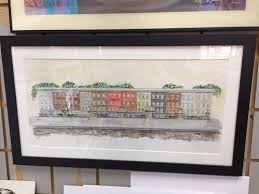
Professional Art work framing Brooklyn services do more than make artwork look attractive. The right frame, mat, backing, and glazing can help protect art from dust, light, physical contact, and other common sources of damage. A properly framed piece can also be easier to display, handle, and preserve for years.
Key Takeaways
Professional framing can protect artwork while improving its appearance.
UV-filtering glazing can help reduce fading caused by light.
Acid-free mats and backing materials are useful for preservation.
Proper spacing helps prevent artwork from touching the glazing.
Custom framing can provide better support for unusual sizes and materials.
Museum-style framing may be suitable for valuable or fragile artwork.
Why Does Professional Framing Matter for Artwork?
Professional framing helps create a protective barrier around artwork while also improving its presentation. The right materials can reduce the risk of fading, discoloration, bending, and accidental damage.
Artwork can be made from many different materials, including paper, canvas, fabric, photographs, and mixed media. Each type may need a different framing approach. A professional framer can consider the artwork's material, size, condition, and display location before choosing suitable framing components.
The goal is not simply to place art inside a frame. It is to create a setup that supports the artwork while keeping unnecessary pressure, moisture, dust, and light exposure under control.
How Can the Right Glass Protect Artwork From Light?
UV-filtering glazing can help reduce damage caused by ultraviolet light. This is especially important for artwork, prints, and photographs that may fade when exposed to strong light over long periods.
The Smithsonian Associates Art Collectors Program recommends UV-protective glass for fine art prints because light exposure can contribute to fading. It also recommends acid-free matting for prints.
The New York State Archives also recommends UV-filtering glass or acrylic as part of protective framing and advises keeping artwork separated from the glazing rather than allowing it to touch the glass directly. For artwork displayed near windows or in bright rooms, choosing suitable glazing can therefore be an important part of long-term protection.
Why Are Acid-Free Mats Important for Fine Art?
Acid-free matting helps reduce the risk of materials around the artwork causing discoloration or deterioration. This is particularly useful for paper-based artwork, photographs, prints, certificates, and other delicate pieces.
Poor-quality acidic materials can contribute to the gradual deterioration of paper and other artworks. The New York State Archives recommends acid-free matting and backing boards for preservation framing.
This is one reason Fine Art Framing Brooklyn NY services often consider the materials behind and around the artwork just as carefully as the visible frame. A good mat can also create space between the artwork and glazing. This prevents the artwork from pressing directly against the glass and gives the piece a cleaner visual presentation.
How Does Framing Help Prevent Physical Damage?
A properly fitted frame can protect artwork from everyday handling and accidental contact. It can also provide structural support for pieces that need a stable backing.
Paper artwork, for example, can crease or bend if it is stored or displayed without proper support. Canvas may require stretching or specialized framing to maintain a smooth and stable appearance.
Professional framing also reduces the need to repeatedly handle the artwork. Once the piece has been safely framed and installed, it can remain protected while being displayed.
Common Protective Framing Components
Framing Component | Main Purpose |
Acid-free mat | Helps protect paper and prints |
UV-filtering glazing | Helps reduce light-related fading |
Stable backing | Provides support behind the artwork |
Proper spacing | Keeps artwork away from glazing |
Quality frame | Provides structure and protection |
Professional mounting | Helps hold artwork securely |
What Is Museum-Quality Framing?
Museum-quality framing focuses on preservation as well as appearance. It is often considered for valuable, old, fragile, or sentimental artwork that needs additional care.
Museum framing may use archival materials, careful mounting methods, suitable glazing, and a frame deep enough to safely hold all components. The New York State Archives recommends preservation-focused materials and mounting techniques for valuable paper-based items.
Specialized framing can also be useful for antiques, historical documents, maps, textiles, and three-dimensional artwork. Different objects require different support and display methods.
How Does Custom Framing Improve Artwork Protection?
Custom framing allows the frame to be selected around the actual artwork instead of forcing the piece into a standard size. This can provide better support and create more suitable spacing between the artwork, mat, backing, and glazing.
Custom framing can also help address unusual artwork sizes, thick canvases, layered pieces, and objects that cannot be safely placed in ordinary frames. For canvas artwork, stretching is another important consideration. A properly stretched canvas can maintain a smoother surface and provide a stable base for framing or display.
How Should Artwork Be Framed for Long-Term Display?
The best approach depends on the artwork and where it will be displayed. However, several simple steps can help improve protection.
Identify the artwork material. Paper, canvas, photographs, and textiles may need different solutions.
Choose suitable glazing. UV-filtering glass or acrylic can help reduce light-related damage.
Use quality matting. Acid-free materials are preferable for preservation.
Create proper spacing. Artwork should not rest directly against the glazing.
Use stable backing. The backing should provide support without damaging the artwork.
Consider the display location. Direct sunlight, heat, moisture, and high-traffic areas may increase risks.
Professional framing is especially helpful when the artwork has sentimental, artistic, historical, or financial value.
What Are the Main Benefits of Professional Art Framing?
The biggest benefit is that professional framing combines protection with presentation. Instead of treating the frame as a simple decorative border, the framing process considers how each material interacts with the artwork.
It can help protect against light exposure, dust, physical contact, and unsuitable materials while making the artwork easier to display. For valuable or delicate pieces, choosing appropriate framing materials can be an important part of responsible care.
Ready to Protect and Display Valuable Artwork?
For anyone looking for professional Art work framing services locally, Williamsburg Art Framing offers custom framing, art framing, canvas stretching, collectible framing, and museum framing. The store has more than 30 years of custom framing experience and offers more than 2,000 framing samples in different styles and materials. It is located at 417 Graham Avenue, Brooklyn, NY 11211.
FAQs
1. Does professional framing really protect artwork?
Yes. Proper framing can help protect artwork from dust, physical contact, unsuitable materials, and light exposure. The level of protection depends on the artwork and the framing materials selected.
2. What type of glass is best for valuable artwork?
UV-filtering glazing is often considered for artwork that needs protection from light. The right choice can depend on the artwork, display conditions, and desired level of protection.
3. Why should acid-free matting be used?
Acid-free matting helps reduce the risk of acidic materials contributing to discoloration and deterioration, especially for paper-based artwork and photographs.
4. Is custom framing better for unusual artwork?
Custom framing can be useful for artwork with unusual dimensions, thick materials, canvases, or special display requirements because the frame can be built around the specific piece.
5. What is the difference between regular and museum framing?
Museum-style framing generally places greater emphasis on preservation materials, careful mounting, suitable glazing, and long-term protection. It can be considered for valuable, historic, or delicate pieces.
6. Can canvas artwork be stretched before framing?
Yes. Canvas can be professionally stretched to create a stable, smooth surface before it is framed or displayed. The appropriate method depends on the canvas and the desired presentation.
Comments
Log in or sign up to join the conversation.