

If you're here for the price, here's the useful answer first.
In 2026, shipping a standard car on an open carrier commonly falls around $650–$890 for 500 miles, $800–$1,350 around 1,000 miles, and $1,050–$1,800 for a roughly 2,500-mile trip. These are planning ranges, not guaranteed quotes. Your actual car shipping cost depends on your ZIP codes, vehicle, pickup date, and transport type.
Quick Car Shipping Cost Guide
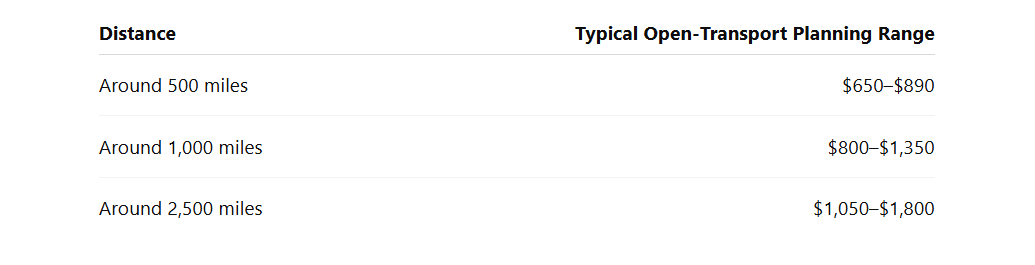
These 2026 benchmarks are for a standard vehicle using open transport. Larger SUVs and trucks, enclosed trailers, difficult locations, and urgent pickup can cost more.
So, how much does it cost to ship a car in your case? Let's narrow it down without making this complicated.
Why Two 1,000-Mile Shipments Can Have Different Prices
Distance matters, but auto transport is not priced like a taxi meter.
Imagine one car is going from Dallas to Atlanta. Another is traveling roughly the same distance but needs pickup in a small town far from an interstate.
The second car may cost more because the driver has to leave a busy route to collect it.
Your car shipping rates are mainly affected by:
Pickup and delivery ZIP codes
Total distance
Vehicle size
Whether the car runs
Open or enclosed transport
How soon you need pickup
Current carrier availability
This is why a mileage calculator can give you a rough idea, but not an exact price.
Open Transport: The Best Value for Most Cars
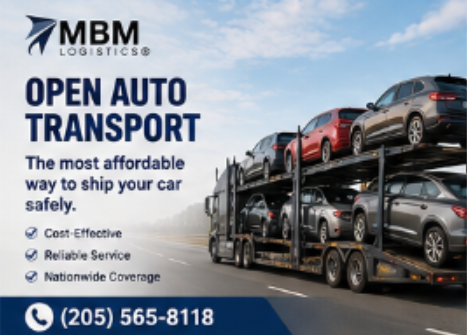
If you're shipping a Honda Accord, Toyota Camry, Hyundai Tucson, or another everyday vehicle, start by looking at open auto transport.
Open carriers are the large multi-car trucks you see on highways. Because several vehicles travel together, this is generally the most affordable way to move a standard car.
It works well for everyday cars, SUVs, pickups, dealership vehicles, and most used-car purchases.
If your goal is cheap car shipping, open transport usually makes more sense than paying extra for protection your vehicle may not need.
Enclosed Transport: When Paying More Is Worth It
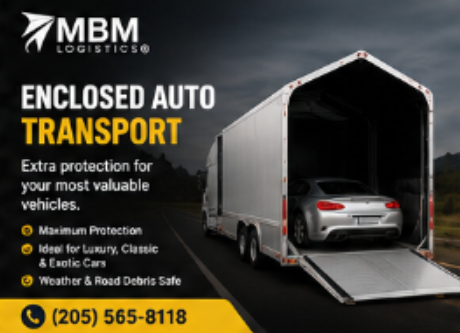
Now imagine you're shipping a restored 1967 Mustang instead of a daily driver.
That changes the decision.
Enclosed auto transport places the vehicle inside a covered trailer, offering additional protection from weather and road exposure. Current 2026 pricing guides commonly put enclosed shipping roughly 30% to 60% above comparable open transport, depending on the route and carrier.
Consider enclosed transport for:
Classic cars
Exotic cars
Collector vehicles
High-value luxury vehicles
Restored cars
Vehicles where extra protection is worth the added cost
For a normal commuter vehicle, open transport is usually enough. For a rare or valuable car, enclosed service can be money well spent.
Does a Truck or SUV Cost More to Ship?
Often, yes.
A Ford F-150 takes up more trailer space and weighs more than a Honda Civic. Carriers have limits on both space and weight, so larger vehicles can carry a higher rate.
This is why you should enter the exact year, make, and model when requesting a car shipping quote.
Also mention modifications. Lift kits, oversized tires, roof racks, or unusual vehicle dimensions can affect loading and pricing.
What If the Car Doesn't Run?
You can still arrange transport for many non-running vehicles.
The important part is telling the transporter before pickup.
If a vehicle cannot be driven onto the trailer, the carrier may need a winch or other loading equipment. That can limit the trucks available for the job and increase the price.
Buying from Copart, IAA, or another auction? Check the vehicle's operating condition before requesting transportation. Giving the car transport company the right information from the start helps avoid delays on pickup day.
Need Pickup Fast? Expect the Price to React
Here's a simple example.
Customer A says: “I can have the car ready any day next week.”
Customer B says: “I bought it today and need it picked up tomorrow.”
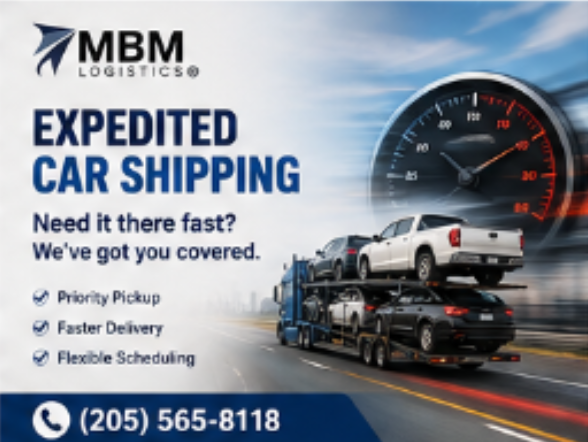
Customer A gives carriers more scheduling options. Customer B may need expedited car shipping, which can cost more because fewer trucks may be able to meet the deadline.
If your dates are flexible, mention that when asking for a quote. If they're not, be clear about the deadline upfront.
How Much Does Cross-Country Car Shipping Cost?

For cross-country car shipping, don't simply multiply the mileage by a fixed rate.
Per-mile pricing generally becomes lower as trips get longer. Kelley Blue Book's 2026 comparison, for example, found an average of about $1.02 per mile around 1,000 miles and about $0.56 per mile for its roughly 2,500-mile example.
That means a California-to-Florida or New York-to-California move will not necessarily cost two or three times as much as a 1,000-mile shipment.
The exact cities still matter. Los Angeles, Dallas, Atlanta, Miami, Chicago, and New York are different markets with different carrier supply and demand.
If you need to ship a car to another state, always price the actual origin and destination instead of relying only on a national per-mile average.
The Cheapest Quote Can Become the Expensive Choice

Seeing a very low price feels great—until nobody is willing to move the car for that amount.
When comparing auto transport companies, don't ask only, “Who is cheapest?”
Ask:
What is included? Is this based on my actual route? What happens if a carrier doesn't accept the shipment at this price?
A useful quote should help you budget realistically. A low number designed only to get your booking isn't useful if it changes before your car moves.
Want to Save Money? Keep It Simple
You don't need a complicated strategy to get a reasonable rate.
For an ordinary vehicle, choose open car transport. Give yourself some pickup flexibility when possible. Avoid waiting until the last minute. Provide accurate vehicle information. And compare the full service—not just the first price you see.
These simple choices can make your shipment easier for carriers to accept.
Get the Price for Your Actual Car and Route

Online averages answer one question: “What might car shipping cost?”
Your ZIP codes answer the question you actually care about: “What could my car cost to ship?”
Minute by Minute Logistics helps customers arrange door-to-door car shipping, open transport, enclosed transport, and long-distance vehicle moves across the United States.
To get a useful quote, have these five things ready:
Pickup ZIP code + Delivery ZIP code + Vehicle year/make/model + Running condition + Pickup date
Need an exact price for your vehicle? Enter your pickup and delivery ZIP codes to receive your car shipping quote.
Frequently Asked Questions
How much does it cost to ship a car 500 miles?
For a standard vehicle on an open carrier, a useful 2026 planning range is about $650–$890 for roughly 500 miles. Exact pricing depends on the route, vehicle size, season, and available carriers.
How much does it cost to ship a car 1,000 miles?
Around $800–$1,350 is a reasonable 2026 planning range for a standard car on open transport around 1,000 miles. Kelley Blue Book's 2026 comparison averaged about $1,020 for its 1,000-mile example. Your actual route may be priced differently.
What is the cheapest way to ship a car?
Open auto transport is generally the cheapest practical option for a standard vehicle. Flexible pickup dates and booking before the last minute may also give you more carrier options.
Is enclosed car shipping more expensive than open transport?
Yes. Enclosed transport commonly costs roughly 30%–60% more than open transport because fewer vehicles fit in the trailer and the service provides additional protection.
Is it cheaper to drive or ship a car across the country?
Driving can be cheaper in direct out-of-pocket cost, but compare the entire trip. Fuel, hotels, meals, time, mileage, and wear on the vehicle all matter. Shipping can make more sense when convenience and avoiding a multi-day drive are priorities.
Comments
Log in or sign up to join the conversation.