
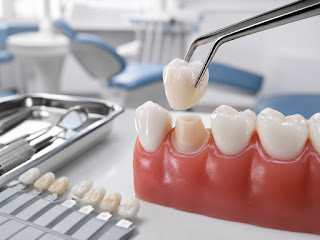
Teeth get damaged for many reasons - decay, injury, grinding or just years of wear. When that happens, dentists use various methods to repair the tooth & bring back its function. This process is what people generally refer to as tooth restoration & there isn't a single fix that works for everyone. The right option depends on how much damage there is as well as what the tooth needs to work properly again.
Why Teeth Need Repair
A cavity left untreated doesn't stay small. It spreads, weakens the tooth structure & can eventually reach the nerve. Cracked or chipped teeth face a similar problem - without treatment, small issues turn into bigger ones that are harder as well as more expensive to fix later. Catching damage early usually means simpler treatment. Get the smile you deserve with a dental crown in Victor Harbor-check us out!
Common Treatment Options
Fillings are the most basic form of repair, used for small to moderate cavities. Dentists remove the decayed part & fill the space with composite resin or another material.
Crowns cover the entire visible part of a tooth. They're used when a tooth is too damaged for a filling but still has a healthy root. Crowns restore both strength & shape.
Root canal treatment deals with damage that has reached the inner pulp of the tooth. It removes infected tissue as well as seals the tooth, often followed by a crown for added protection.
Bridges and implants replace teeth that are missing entirely. Implants have become more common in recent years since they function like natural tooth roots & don't rely on neighboring teeth for support.
Veneers are thin shells placed over the front of teeth, mostly for cosmetic correction rather than structural repair.
What's Changing in Dentistry
Digital scanning has replaced traditional molds in many practices, making the process faster & more comfortable. Same-day crowns, created using in-office milling machines, are also becoming more common - patients no longer need to wait weeks for a lab-made crown. Materials have improved too, with newer composites as well as ceramics that blend in better with natural teeth & last longer under everyday stress.
Choosing the Right Option
There's no one-size-fits-all answer here. A dentist will look at the extent of damage, the tooth's location & your long-term oral health goals before recommending anything. Getting a proper exam as well as X-rays is the only reliable way to know which repair method suits your situation.
Author Bio: –
Ansley has 12 years of experience in the dental world. You can find his thoughts at teeth alignment blog.
Comments
Log in or sign up to join the conversation.