
In the world of photography, the shoot is only half the story. The real magic—and often the real headache—happens afterward in the editing suite. Clients, friends, and even fellow photographers frequently ask the same burning question: “How long does it take a photographer to edit photos?”
The short answer? It depends. Heavily. A single portrait might take a seasoned pro just 5–10 minutes with basic adjustments in Lightroom, while a complex commercial retouch in Photoshop could eat up 45–60 minutes or more per image. For an entire real estate shoot of 20–30 photos, one photographer might spend 1–2 hours total, whereas a high-end wedding gallery of 500+ images can require 20–40 hours of dedicated editing spread over days or weeks.
Turnaround time to the patron is any other beast entirely. Many professionals supply within 3–7 days for smaller jobs, however peak-season weddings frequently stretch to four–8 weeks due to backlog queues. These numbers aren’t pulled from skinny air—they replicate actual workflows shared across pictures boards, pro blogs, and industry surveys. Editing isn’t just “slapping on a filter.” It’s culling, color correction, exposure fixes, lens corrections, cropping, polishing, noise discount, nearby changes, and occasionally full-scale retouching or innovative compositing.
Why does this remember so much? Because time is money. Every hour spent editing is an hour not spent capturing new customers, marketing your commercial enterprise, or enjoying life outdoor the laptop screen. For real estate photographers specially, who often deliver dozens of residences in keeping with week, inefficient editing can kill profitability. That’s in which specialised services step in to trade the game.
In this exhaustive 4000-phrase manual, we’ll smash down every variable that influences editing time. We’ll take a look at one-of-a-kind pictures genres, software program choices, ability tiers, batch-processing tricks, and the professionals/cons of DIY versus outsourcing. We’ll dive deep into real estate photography (a spot exploding with demand) and highlight how businesses like Pixelshouters—a trusted real property photograph enhancing employer—assist professionals reclaim hours at the same time as delivering stunning, list-prepared pics. By the quit, you’ll have actionable strategies to curb your editing time with out sacrificing exceptional. Let’s dive in.
Understanding the Photo Editing Process: What Actually Takes Time?
Before we speak numbers, allow’s map the workflow maximum photographers follow. Editing isn’t a unmarried button press; it’s a multi-level pipeline that may be damaged into clean phases.
Import and Organization (10–half-hour in keeping with shoot) Raw files land at the tough force. Photographers import into Lightroom or Capture One, upload key phrases, big name rankings, and returned up to the cloud. This step sounds boring but prevents chaos later. Skip it, and you’ll waste hours attempting to find files months down the line.
Culling (half-hour to two+ hours) This is the unsung hero of fast editing. Pros delete 50–80% of pictures right away—blurry ones, closed eyes, horrific expressions. Tools like Lightroom’s AI culling or 1/3-celebration apps (Imagen AI, Aftershoot) can automate this, however human judgment still regulations for innovative work. A wedding shooter culling 2,000 pictures may spend 2–three hours here alone.
Global Adjustments in Develop Module (2–10 minutes in line with photo) White stability, exposure, comparison, highlights, shadows, clarity, vibrance, and lens corrections. Lightroom shines here because you can sync presets throughout masses of photographs in seconds. A nicely-exposed real property shot may need simplest 3–5 mins of global tweaks.
Local Adjustments and Retouching (five–60+ mins in step with photo) This is wherein time balloons. Dodge and burn, spot restoration, frequency separation for pores and skin, object elimination, sky substitute, or digital staging. Portraits and beauty work demand the most—skin smoothing by myself can take 20–half-hour in step with face. Real property is lighter: straightening partitions, brightening home windows, putting off dirt specks.
Export and Delivery (15–45 mins) Web-sized galleries, excessive-res files for print, watermarks, metadata. Again, batch export in Lightroom saves huge time.
Quality Control and Revisions Double-checking on unique monitors, sending proofs, dealing with purchaser feedback. This hidden step can add 10–20% greater time.
Total consistent with-image time varies wildly by using genre and fashion. A panorama shooter using mainly Lightroom presets might common 3–five minutes according to keeper. A beauty retoucher charging premium quotes might make investments 45–ninety mins per portrait. Understanding those ranges is step one to optimizing them.
Key Factors That Determine Editing Time
No photographers edit the identical way, and no two shoots demand the equal attempt. Here are the biggest variables, backed by way of real-global examples from pros.
1. Number of Photos and Shoot Volume
This is the plain one. Shooting 50 snap shots for a headshot session? Editing may take 2–three hours total. A complete-day wedding with 1,500–3,000 raw files? Expect 20–40 hours of real modifying time, plus culling. Real estate photographers frequently supply 20–40 photos according to property. At 5 minutes per photo (a sensible common for fundamental enhancement), that’s 1.Five–3 hours in step with residence—possible in a single evening in case you’re efficient. Scale to 10 houses consistent with week and you’re looking at 15–30 hours of editing. That’s why quantity shooters obsess over speed.
2. Genre of Photography
Portraits & Weddings: Highest time sink. Skin retouching, body shaping, eye sprucing, and innovative shade grading push averages to 10–30 minutes according to photograph. One seasoned shared that a unmarried beauty retouch took 45 mins only for skin texture and luminosity.
Landscapes & Travel: five–15 minutes consistent with photograph. Focus is on coloration harmony, horizon straightening, and dodging skies.
Product & Commercial: 10–40 minutes. Precision is everything—putting off dirt, ideal reflections, composite backgrounds.
Real Estate: Surprisingly efficient. Most pix want straight verticals, brilliant windows, balanced lighting, and minor object removal. Pros record 2–6 mins in keeping with image for general work. A 25-image list may take 45–ninety minutes general. Advanced services like virtual staging or HDR blending add 10–20 minutes greater consistent with photograph.
Real property sticks out due to the fact the goal is practical enhancement, no longer artistic reinvention. Properties must look inviting yet real to existence—ideal for batch processing.
three. Photographer Skill Level and Experience
Beginners regularly spend 20–30 minutes according to photograph due to the fact they test and second-wager each slider. Veterans with customized presets and muscle reminiscence cut that to five–eight mins. One experienced editor cited that after they described their signature style, session enhancing dropped from 4–5 hours to underneath 2. Practice simply does make best—and quicker.
4. Software Choice: Lightroom vs Photoshop vs AI Tools
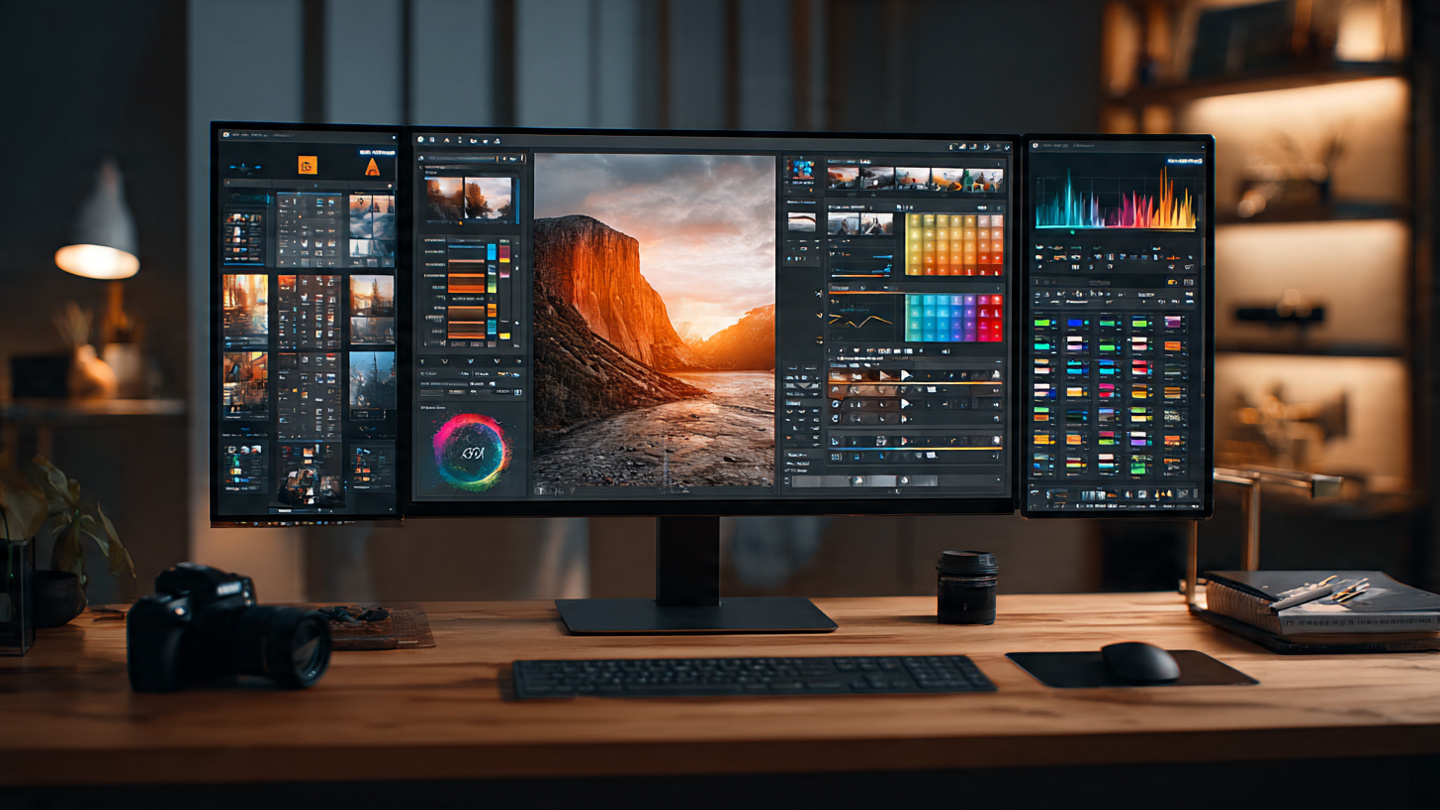
Lightroom is the speed king for batch work. Global adjustments sync across hundreds of pictures right away. Photoshop is for pixel-degree precision—cloning power lines, frequency separation, or complicated compositing—however it’s slower because it’s one image at a time. Many professionals use a hybrid workflow: 80% in Lightroom, 20% in Photoshop for heavy lifts.
AI gear are game-changers. Plugins like Luminar Neo, Imagen AI, or Aftershoot can cull and observe fundamental edits in mins. One photographer mentioned reducing wedding enhancing time by way of 60% after adopting AI-assisted culling. However, AI nevertheless wishes human oversight for exceptional control.
For real estate particularly, specialised editors rely on Lightroom presets tuned for belongings work—short sky replacements, window brightening, and colour correction. This continues according to-picture time low.
5. Editing Style and Client Expectations
“Natural” seems take much less time than excessive-style glamour or heavy innovative manipulation. A customer wanting Instagram-geared up perfection will add hours. Commercial clients demanding pixel-ideal composites can push unmarried images to one–2 hours.
6. Hardware, Workspace, and Workflow Optimization
Slow computers, uncalibrated monitors, or disorganized documents upload invisible drag. Pros the usage of rapid SSDs, dual monitors, and keyboard shortcuts shave minutes according to photo. Batch processing, presets, and actions in Photoshop are non-negotiable for performance.
7. Outsourcing vs DIY
We’ll cover this in depth later, but here’s the teaser: many photographers outsource to reclaim 20–forty hours in step with week. Services cope with the repetitive work, letting shooters consciousness on customer relationships and new bookings.
These elements interact in complicated approaches. A excessive-extent actual property shooter with solid Lightroom presets and a fast pc may edit a full property in below ninety mins. The identical quantity in portrait paintings could take all day.
Average Editing Times: Real Numbers from the Trenches
Let’s get unique with information drawn from expert photographers, Reddit threads, blogs, and industry reports.
Per-Image Averages:
Basic color/exposure fix: 5–10 minutes
Standard portrait: 10–20 mins
Heavy splendor retouch: 30–60+ minutes
Real estate enhancement (straighten, brighten, color correct): 2–6 minutes
Complex compositing or digital staging: 15–forty five mins
Session or Project Totals:
Family or engagement consultation (50–100 keepers): 3–6 hours
Full wedding day (300–six hundred delivered pictures): 20–forty hours of enhancing spread over days
Real property property (20–30 snap shots): 45–a hundred and twenty minutes total
Commercial product shoot (10 photos): 4–10 hours
Turnaround to purchaser (consisting of queue time):
Headshots or small jobs: 1–three days
Real property: 24–forty eight hours not unusual (many deliver same or subsequent day)
Weddings: 4–eight weeks average all through peak season
One real property photographer shared that modifying 20 pictures in line with residence takes about 60–ninety mins general the use of Lightroom batch equipment. Another uses an outside editor and gives you in 24 hours. Services frequently promise 12–24 hour turnaround for preferred real estate paintings because they specialize and use committed groups plus custom scripts.
These numbers vary. A sluggish week may can help you knock out edits faster; burnout or complicated consumer revisions stretch everything.
Real Estate Photography Editing: Why It’s a Special (and Speed-Friendly) Case
Real estate is booming, and image enhancing here follows its own policies. Unlike images wherein each eyelash matters, real property prioritizes smooth, vibrant, inviting spaces that help residences promote fast. Listings with professional pictures promote 32% quicker and for higher expenses, in step with a couple of studies—so exceptional enhancing is non-negotiable.
Typical workflow for a real property shooter:
Shoot 20–40 frames per belongings (interior, exterior, info)
Cull to pleasant angles
Apply preset for constant white stability and publicity
Straighten verticals, brighten home windows, update stupid skies if wanted
Remove small distractions (extension cords, dirt, minor muddle)
Export excessive-res and net versions
Time per belongings? Most solo photographers report forty five–90 minutes for basic edits. Add digital staging (furniture placement) and also you’re looking at every other 30–60 mins consistent with room. HDR blending for tricky lights can add time too.
This is in which outsourcing shines. Real estate photographers often shoot a couple of homes daily however can’t manage to pay for to spend evenings modifying. That’s precisely why specialized businesses exist. One standout participant in this area is Pixelshouters, a real property photograph editing organisation that has been supporting photographers and dealers global for over 8 years. With a team coping with hundreds of snap shots daily, they offer everything from simple enhancement and shade correction to superior sky replacement, HDR merging, item removal, and digital staging—all with a normal 24-hour turnaround.
Photographers who partner with Pixelshouters report slashing their publish-manufacturing time dramatically. Instead of spending 1–2 hours per assets, they add raw documents and receive polished, MLS-geared up snap shots the next day. The employer emphasizes herbal, practical results—no over-the-top filters that make rooms appearance fake. Their pricing is low-priced for high-quantity shooters, and that they even offer loose trials so new customers can test the workflow chance-unfastened. For busy real property pros in competitive markets, services like Pixelshouters aren’t a luxury; they’re a competitive aspect that keeps listings sparkling and agents glad.
Many photographers begin DIY and finally outsource as soon as extent hits five–10 residences weekly. The time stored interprets without delay to greater shoots, better advertising, or family time. Pixelshouters stands out because they recognize real property specifics: regular color across residences, proper perspective correction, and rapid delivery that matches tight list schedules.
DIY Editing vs Outsourcing: The Time and Money Equation

Let’s do the mathematics.
DIY Pros:
Full innovative manipulate
No extra value consistent with image
Learn and improve your craft
DIY Cons:
Time sink: 10–30 hours weekly for energetic shooters
Burnout danger
Inconsistent first-rate in the course of busy durations
Opportunity value (time not spent shooting or selling)
Outsourcing Pros (to agencies like Pixelshouters):
Reclaim 20–40 hours consistent with week
Professional consistency
Scalability—no more modifying bottlenecks during height seasons
Specialized know-how (virtual staging, drone modifying, 3-d excursions)
Fast turnaround—regularly 12–24 hours for real estate
Cons:
Per-photo cost (though often cheaper than your hourly charge)
Slight gaining knowledge of curve to short editors nicely
Many photographers calculate their “hourly price.” If you price $2 hundred/hour for shoots but spend 20 hours modifying at domestic, you’re successfully paying yourself a long way much less. Outsourcing at $2–five consistent with photograph all at once appears reasonably-priced. Real property shooters the usage of Pixelshouters often say the service will pay for itself in the first month through expanded bookings and quicker transport to retailers.
Hybrid approach works exceptional for plenty: deal with culling and innovative course yourself, outsource bulk modifications and retouching. Tools like Pixlmob or dedicated offerings combine seamlessly with Lightroom catalogs.
How to Dramatically Reduce Your Editing Time (Practical Tips)
Ready to cut hours from your workflow? Here’s a struggle-tested playbook:
Shoot for the Edit Nail publicity, white balance, and composition in-digicam. Use guide mode and custom white balance. Clean scenes earlier than capturing—no post-manufacturing miracles wanted.
Master Presets and Sync Build 3–five signature presets in Lightroom. One-click follow to complete shoots. Tweak best outliers.
Culling Is King Use AI culling equipment aggressively. Rate pix rapid—spend no extra than 2 seconds in keeping with thumbnail initially.
Keyboard Shortcuts and Actions Learn them. In Photoshop, record actions for repetitive responsibilities like dust elimination.
Batch Everything Possible Export in batches. Use clever collections in Lightroom.
Hardware and Software Upgrades Fast pc + calibrated screen = fewer frustrating slowdowns.
Outsource Repetitive Work For real estate extent, ship to Pixelshouters for enhancement, sky substitute, and staging. Keep creative manage on hero pictures.
Time-Block Editing Dedicate specific hours. Avoid multitasking. Many professionals edit in 90-minute focused sprints.
Review and Refine Workflow Monthly Track time according to consultation. Identify bottlenecks. Adjust.
Embrace AI Assistants Tools like Imagen AI or Luminar can manage 70–eighty% of basic edits mechanically.
Implement simply 3–4 of these and you’ll effortlessly keep 5–10 hours weekly.
The Future of Photo Editing: AI, Automation, and Specialized Services
AI isn’t changing photographers—it’s freeing them. Tools already deal with culling, simple coloration, or even simple retouching. In real estate, AI sky substitute and digital staging are becoming preferred. Companies like Pixelshouters combine human expertise with AI efficiency, turning in regular effects faster than solo editors can manipulate.
We’re also seeing extra area of interest services: drone editing, 360° excursions, video colour grading. The photographers who thrive can be people who shoot creatively and delegate the rest.
Conclusion: Time Is Your Most Valuable Asset
So, how lengthy does it take a photographer to edit images? Anywhere from 2 minutes to two hours in keeping with picture, and 1 hour to numerous weeks for complete projects—depending on all of the factors we’ve blanketed. The real query isn’t “how lengthy,” however “how can I make it quicker with out losing satisfactory?”
For real estate photographers juggling a couple of listings, the solution regularly lies in smart outsourcing. Services like Pixelshouters, a devoted real estate photo editing organisation, have perfected the stability of speed, pleasant, and affordability. With over 8 years of enjoy, lots of happy customers, and a 99% on-time shipping fee, they help professionals supply lovely property visuals in 24 hours or less—freeing shooters to awareness on what they do quality: shooting first-rate photographs and growing their business.
Whether you’re a hobbyist spending weekends modifying own family shots, a marriage seasoned buried beneath galleries, or a real estate photographer racing listing time limits, information your editing time is step one to studying it. Experiment, tune your hours, refine your system, and don’t be afraid to ask for help while volume grows.
Comments
Log in or sign up to join the conversation.