

If you have a chipped tooth or a small gap between your teeth or if your teeth are discolored, dental bonding is often one of the most affordable ways to improve your smile. People often ask, "How long does dental bonding last on teeth?"
The answer to this question depends on factors, including where the dental bonding is placed, your oral habits, and how well you care for your teeth. Understanding what to expect can help you decide whether dental bonding is the solution for your smile.
What Is Dental Bonding?
Dental bonding is a dental procedure that uses a tooth-colored composite resin to repair or enhance the appearance of a tooth. The material is shaped, hardened, and polished to blend with surrounding teeth.
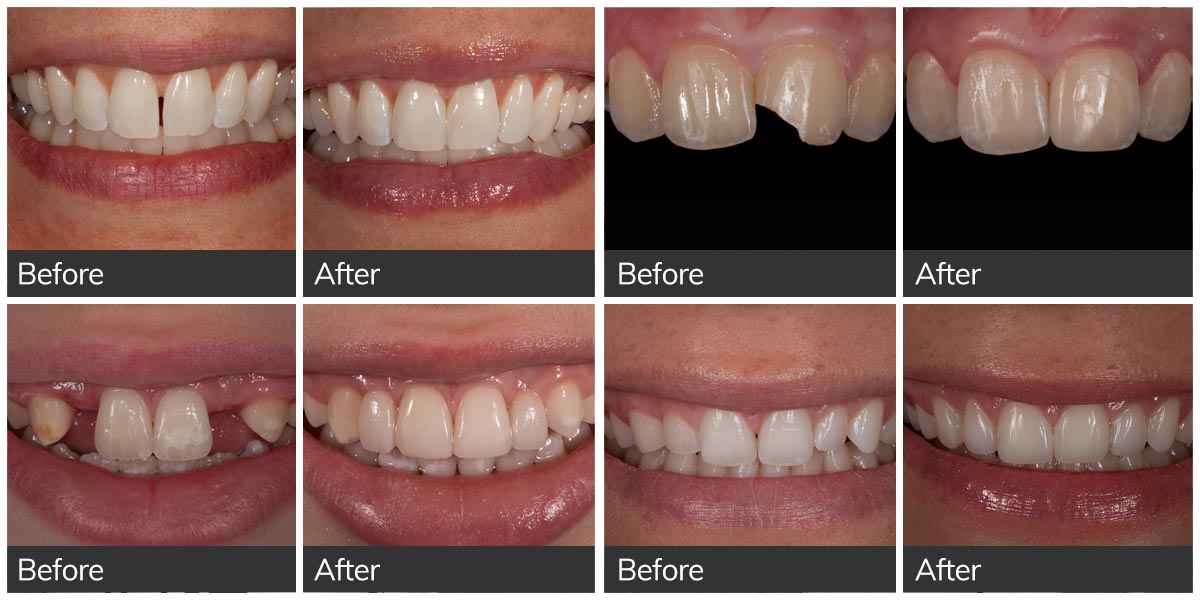
Dentists commonly use bonding to:
Repair chipped or cracked teeth
Close small gaps between teeth
Improve tooth shape
Cover stains or discoloration
Protect exposed tooth roots
Because the procedure is minimally invasive and often completed in a single visit, many patients choose bonding as an alternative to more extensive cosmetic treatments.
How Long Does Dental Bonding Typically Last?
In most cases, dental bonding can last between 3 and 10 years before needing repair or replacement.
The lifespan varies based on:
The location of the bonded tooth
The size of the bonded area
Daily oral hygiene habits
Diet and lifestyle choices
Teeth grinding or clenching
Bonding on front teeth that experience less pressure may last longer than bonding on teeth used heavily for chewing.
Here are some of them:
1. Your eating habits: hard foods can place stress on bonded teeth. Frequently chewing ice, hard candy, or other tough foods may increase the risk of chipping.
2. Oral hygiene: brushing, flossing, and professional cleanings help keep bonded teeth in good condition and reduce the risk of decay around the restoration.
3. Teeth grinding: grinding or clenching can wear down dental bonding material over time. If you grind your teeth at night, your dentist may recommend a custom nightguard.
4. Staining foods and drinks: Unlike porcelain restorations, dental bonding material can stain. Coffee, tea, red wine, and tobacco use may gradually affect the appearance of bonded teeth.
Signs Your Dental Bonding May Need Replacement
Even well-maintained bonding eventually shows signs of wear.
You may want to schedule an evaluation if you notice:
Chipping or cracking
Rough edges
Discoloration
Changes in shape
Gaps are forming around the bonded area
A trusted Livonia dentist can assess the condition of the bonding and recommend whether it should be repaired or replaced.
Dental Bonding vs. Other Tooth Replacement Options
Dental bonding works well for cosmetic improvements, but it isn't always the best solution for every situation.
Dental Bonding
Best for:
Small chips
Minor gaps
Cosmetic touch-ups
Advantages:
Affordable
Quick treatment
Usually completed in one appointment
Dental Bridge Front Teeth
A dental bridge front teeth solution may be recommended when one or more teeth are missing. Bridges fill the gap by anchoring an artificial tooth to neighboring teeth.
Best for:
Replacing missing front teeth
Restoring appearance and function
Dental Implants
A dental implant Livonia provider may recommend implants when a tooth is missing and a long-term replacement is desired.
Benefits include:
Stability
Natural appearance
Preservation of jawbone health
Long-lasting results with proper care
Your dentist can help determine which treatment best fits your needs, goals, and budget.
Practical Example
Imagine you chip a front tooth while playing sports. The damage is minor, and the tooth remains healthy. In this situation, dental bonding may be an excellent option because it can often restore the tooth's appearance in a single visit.
However, if the entire tooth is missing, a dental bridge or dental implant may provide a more appropriate long-term solution.
Common Misconceptions About Dental Bonding
"Bonding lasts forever."
No dental restoration lasts forever. While bonding is durable, it will eventually require maintenance or replacement.
"Bonding is as stain-resistant as porcelain."
Composite resin can stain over time, especially if exposed regularly to coffee, tea, tobacco, or wine.
"You don't need dental checkups after bonding."
Regular dental visits remain essential. Professional exams help identify wear and prevent small issues from becoming larger problems.
How to Make Dental Bonding Last Longer
Follow these simple tips:
Brush twice daily with a non-abrasive toothpaste
Floss every day
Avoid chewing ice and hard objects
Limit tobacco use
Reduce consumption of staining beverages
Wear a mouthguard if you grind your teeth
Visit your dentist for regular exams and cleanings
Good habits can significantly extend the life of your bonding and help maintain a healthy smile.
FAQs
Does dental bonding hurt?
Dental bonding is typically painless and often requires little to no tooth preparation. Many patients do not need anesthesia unless bonding is being used to fill a cavity.
Can bonded teeth be whitened?
No. Bonding material does not respond to whitening treatments. If discoloration occurs, the bonding may need polishing or replacement.
Is dental bonding permanent?
Dental bonding is considered durable but not permanent. Most patients will need repairs or replacement at some point.
Can dental bonding chip?
Yes. Although bonding is strong, it can chip or crack if exposed to excessive force or trauma.
How often should bonded teeth be checked?
Most dentists recommend examining bonded teeth during routine dental checkups every six months.
Final Thoughts
Dental bonding is a versatile and conservative cosmetic treatment that can improve the appearance of chipped, cracked, stained, or uneven teeth. While it doesn't last forever, many patients enjoy years of successful results with proper care and regular dental visits.
If you're considering dental bonding or exploring options such as a dental bridge, front teeth restoration, or dental implant in Livonia, treatment and professional guidance can help you choose the most suitable solution for your smile.
Looking for a Trusted Livonia Dentist?
At Platinum Dental Care, we provide personalized dental care designed around your goals, comfort, and long-term oral health. Whether you're interested in dental bonding, cosmetic dentistry, restorative treatments, or dental implants, our experienced team is here to help you achieve a healthy, confident smile.
Schedule a consultation with Platinum Dental Care today and discover the treatment options that best fit your needs.
Comments
Log in or sign up to join the conversation.