
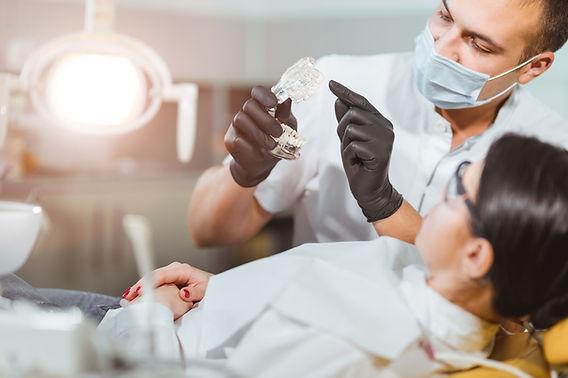
A damaged tooth does not always need a full dental crown. In some situations, a dental inlay can provide a durable way to restore a tooth while preserving more of its natural structure. If you're considering dental inlays in New Westminster, understanding how long they can last and what affects their durability can help you make a more informed decision about your oral health.
What Is a Dental Inlay?
A dental inlay is a custom-made restoration used to repair a tooth that has damage or decay affecting the chewing surface. Unlike a traditional filling, an inlay is fabricated to fit precisely within the prepared portion of the tooth.
Inlays are commonly used when the damage is too extensive for a regular filling but does not require a full crown.
They can help:
Restore damaged tooth structure
Improve chewing function
Strengthen a weakened area
Replace a larger filling
Preserve healthy natural tooth structure
How Long Do Dental Inlays Usually Last?
Dental inlays can last for many years when they are properly placed and maintained. Depending on the material used and individual circumstances, some restorations may last 10 years or longer.
However, there is no guaranteed lifespan. The condition of the tooth, oral hygiene, bite forces, diet, and everyday habits can all affect how long an inlay remains functional.
Patients searching for dental inlays near you should discuss expected longevity with their dental professional based on their specific situation.
What Factors Affect the Lifespan of an Inlay?
Several factors can influence the durability of a dental inlay.
Important considerations include:
The material used for the restoration
The condition of the natural tooth
Oral hygiene habits
Bite pressure
Teeth grinding or clenching
Diet and eating habits
Regular dental examinations
The quality of the restoration's fit
A well-maintained restoration is generally better positioned to provide long-term function.
How Can You Make a Dental Inlay Last Longer?
Daily oral hygiene is essential for protecting both the restoration and the natural tooth surrounding it.
To help maintain your inlay:
Brush twice daily with fluoride toothpaste.
Floss or clean between your teeth every day.
Avoid chewing extremely hard objects.
Don't use your teeth to open packages.
Wear a nightguard if recommended for grinding.
Keep regular dental appointments.
Follow your dentist's specific care instructions.
These simple habits can help reduce the risk of decay and damage around the restoration.
Are Dental Inlays Stronger Than Traditional Fillings?
Inlays can offer advantages in certain situations because they are custom-made to fit the prepared area of the tooth. The appropriate choice depends on the amount of damage and the remaining healthy tooth structure.
A traditional filling may be suitable for smaller areas of decay, while an inlay may be considered when a larger restoration is needed but a crown is not necessary.
A dental clinic in New Westminster can assess the tooth and explain which restoration is most appropriate.
What Happens During Dental Inlay Treatment?
The process usually begins with a thorough examination of the affected tooth. Your dentist may use X-rays or other diagnostic images to evaluate the extent of the damage.
Treatment may involve:
Removing decay or damaged tooth structure
Preparing the tooth
Taking a digital scan or impression
Creating the custom inlay
Placing a temporary restoration if needed
Checking the final inlay for fit
Bonding or cementing the inlay into place
Your dentist will explain the process and provide aftercare instructions.
When Should a Dental Inlay Be Replaced?
An inlay does not automatically need replacement after a specific number of years. It can continue functioning as long as it remains healthy, secure, and properly sealed.
However, replacement or repair may be considered if you notice:
A loose restoration
Cracks or visible damage
Pain when biting
New tooth sensitivity
Decay around the restoration
Changes in your bite
Food frequently becoming trapped around the tooth
Early evaluation can help prevent a small issue from becoming more complicated.
Why Are Regular Dental Visits Important?
Routine dental appointments allow your dental team to monitor the condition of your inlay and the tooth supporting it.
During regular visits, your dentist can check for:
Signs of decay
Gum health
Restoration wear
Bite changes
Cracks or damage
Problems around the edges of the inlay
Patients who maintain regular visits can often address concerns before they significantly affect the restoration.
Book Your Appointment Today!
A well-maintained dental restoration can support your smile and everyday oral function for many years. Book your appointment today with Artis Dental Centre for a personalized evaluation and professional treatment recommendations.
Call us today to schedule your consultation and speak with our dental team.
FAQs
How long can dental inlays last?
Dental inlays can last for many years, and some may remain functional for 10 years or longer with proper care. Individual results vary.
Are dental inlays better than fillings?
Neither option is universally better. The appropriate restoration depends on the size and location of the damage, remaining tooth structure, and your individual oral health.
Can a dental inlay fall out?
Although uncommon, an inlay can become loose or dislodged. If this happens, contact your dental professional promptly for evaluation.
How do I care for a dental inlay?
Brush twice daily, clean between your teeth every day, avoid damaging habits, and attend regular dental examinations to help maintain the restoration.
Comments
Log in or sign up to join the conversation.