
The jewelry market is going through a noticeable shift. For generations, buying a diamond was closely connected with tradition, rarity, and the idea that a mined stone was the natural choice. Today, shoppers have more information and more options than ever before. Lab-grown diamonds have become an important part of that change, influencing how people compare diamonds, think about value, and choose jewelry for engagements, anniversaries, celebrations, and everyday wear.
What makes this shift interesting is that lab-grown diamonds are not simply introducing another jewelry product. They are changing the conversation around what buyers actually want from a diamond. Price, appearance, certification, design, origin, and personal values now play a much larger role in the buying decision. As a result, jewelry businesses are adapting to a customer who wants to understand the product before making a purchase.
From New Idea to Everyday Jewelry Choice
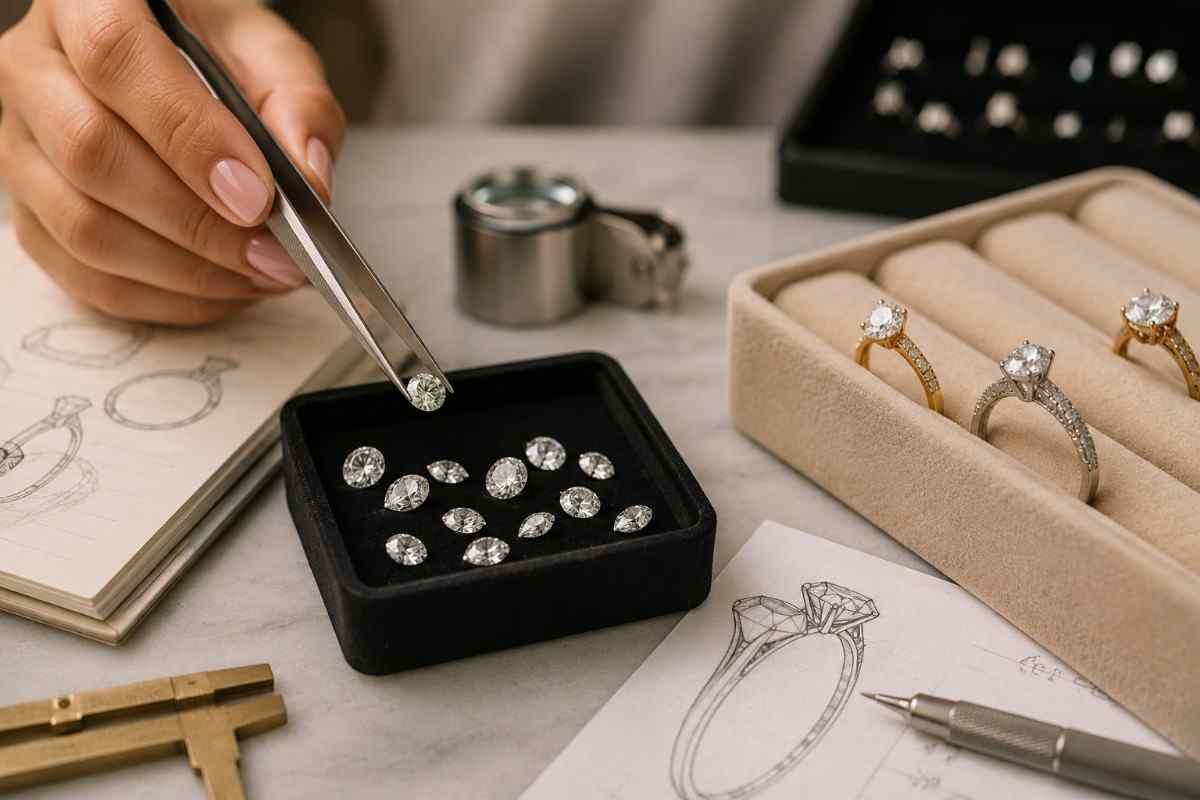
Lab-grown diamonds were once unfamiliar to many shoppers, but they are now widely discussed across the jewelry industry. These diamonds are created using advanced technology that recreates the conditions needed for diamond formation. Their chemical and physical characteristics are essentially the same as those of diamonds formed naturally underground, while their origin is different.
This distinction has helped expand the diamond market rather than simply divide it into two identical choices. A customer interested in a traditional mined diamond can still choose one, while another buyer may prefer a laboratory-created stone based on budget, size, design, or personal priorities. That wider choice is one of the clearest ways lab-grown diamonds are changing modern jewelry buying.
Technology Is Reshaping the Diamond Supply Chain
Behind the growth of lab-grown diamonds is a major technological development. Two commonly used methods are Chemical Vapor Deposition, known as CVD, High Pressure High Temperature, or HPHT. Both methods involve carefully controlled processes that allow diamond crystals to develop in a laboratory environment.
The importance of this technology goes beyond how a stone is created. It has introduced a different production model to an industry traditionally connected with mining and long supply chains. As production technology continues to improve, retailers can offer more choices in diamond shapes, sizes, and jewelry designs. This has made the market more flexible and responsive to changing customer preferences.
Value Is Becoming More Important Than Ever
Price has always mattered when people purchase jewelry, but lab-grown diamonds have made the idea of diamond value more complicated. Because laboratory-created diamonds can generally be purchased for less than comparable mined diamonds, buyers may have greater flexibility when deciding how to spend their jewelry budget.
For some customers, that may mean choosing a larger center stone. For others, the same budget might go toward a more detailed setting or a different diamond cut. This is particularly noticeable in engagement jewelry, where buyers often balance the stone with the overall design. A lab grown solitaire ring , for example, can allow a shopper to focus on the classic beauty of a single center diamond while making decisions around size and setting that fit their budget.
The Modern Buyer Wants More Information
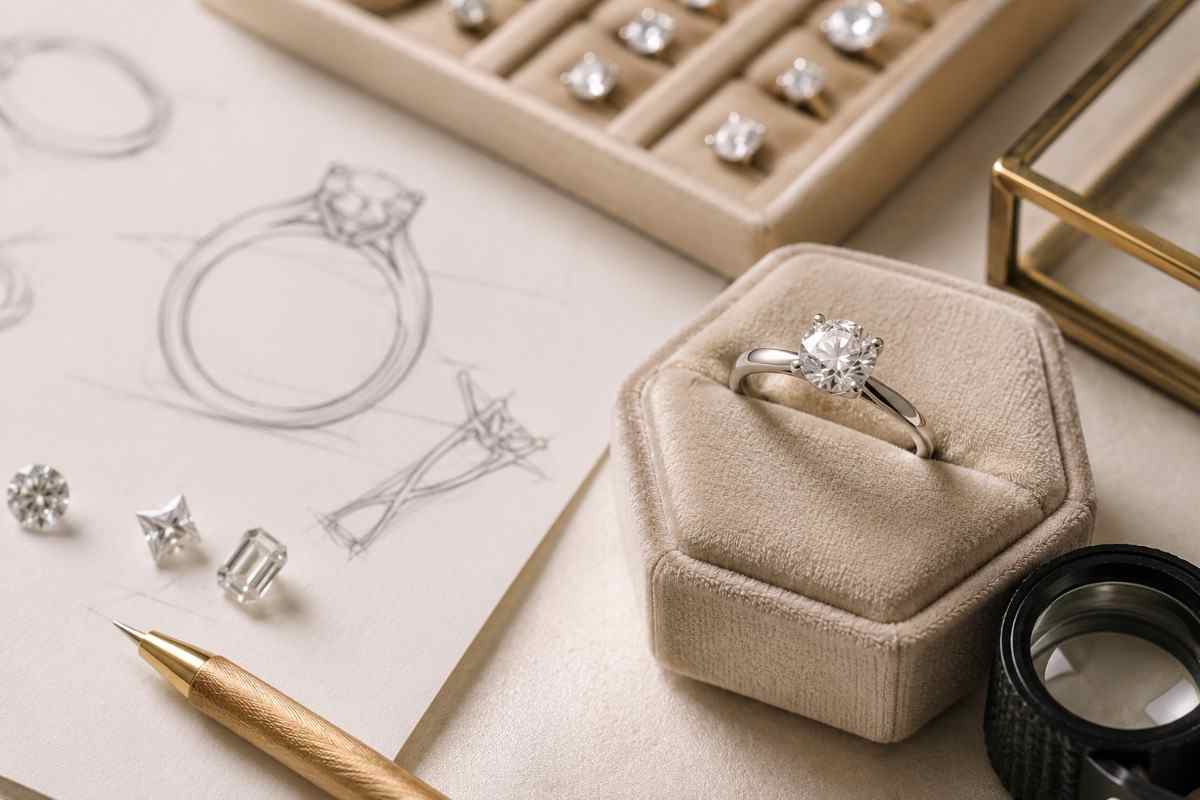
The jewellery customer of today is often more research-driven. Before purchasing, shoppers may compare diamond grades, certifications, cuts, metal choices, return policies, and product details across several websites. This has pushed jewellery retailers to provide clearer information instead of relying only on traditional sales language.
The change can also be seen in design preferences. Buyers are not necessarily looking for one definition of luxury. Some may prefer a simple solitaire, while others may want a more detailed design that creates additional visual impact. Designs such as halo rings for women show how buyers can prioritise the overall appearance of a piece rather than focusing only on the size of the centre diamond.
Jewellery Retail Is Becoming More Transparent
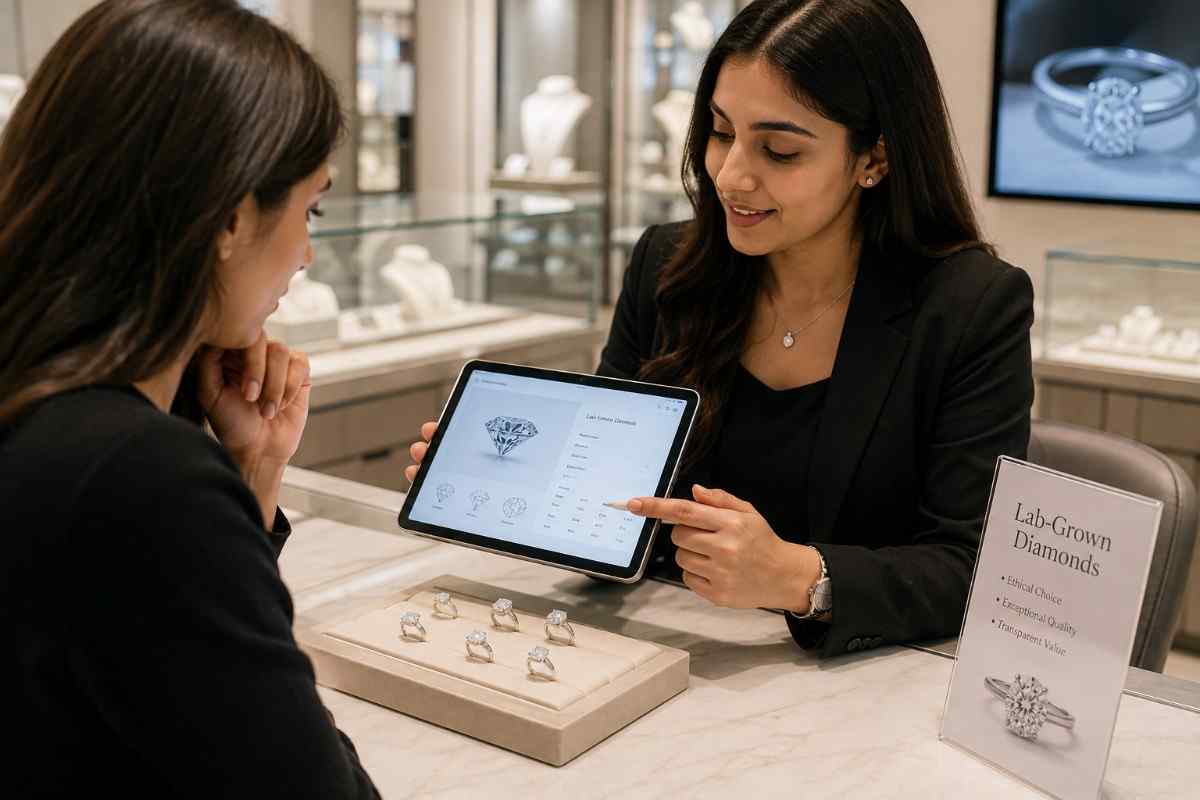
Lab-grown diamonds are also encouraging retailers to rethink how jewellery is presented online and in stores. Product descriptions, diamond specifications, grading reports, metal information, photographs, and customisation options have become increasingly important because customers want to understand what they are buying.
This creates a better environment for brands that focus on education alongside design. A jewellery brand such as ErayaSparkle, for instance, operates within a market where customers can explore different diamond choices before deciding what suits their needs. The broader lesson for the industry is clear: trust is becoming part of the product experience, not simply something added after a purchase.
Sustainability Is Part of the Conversation
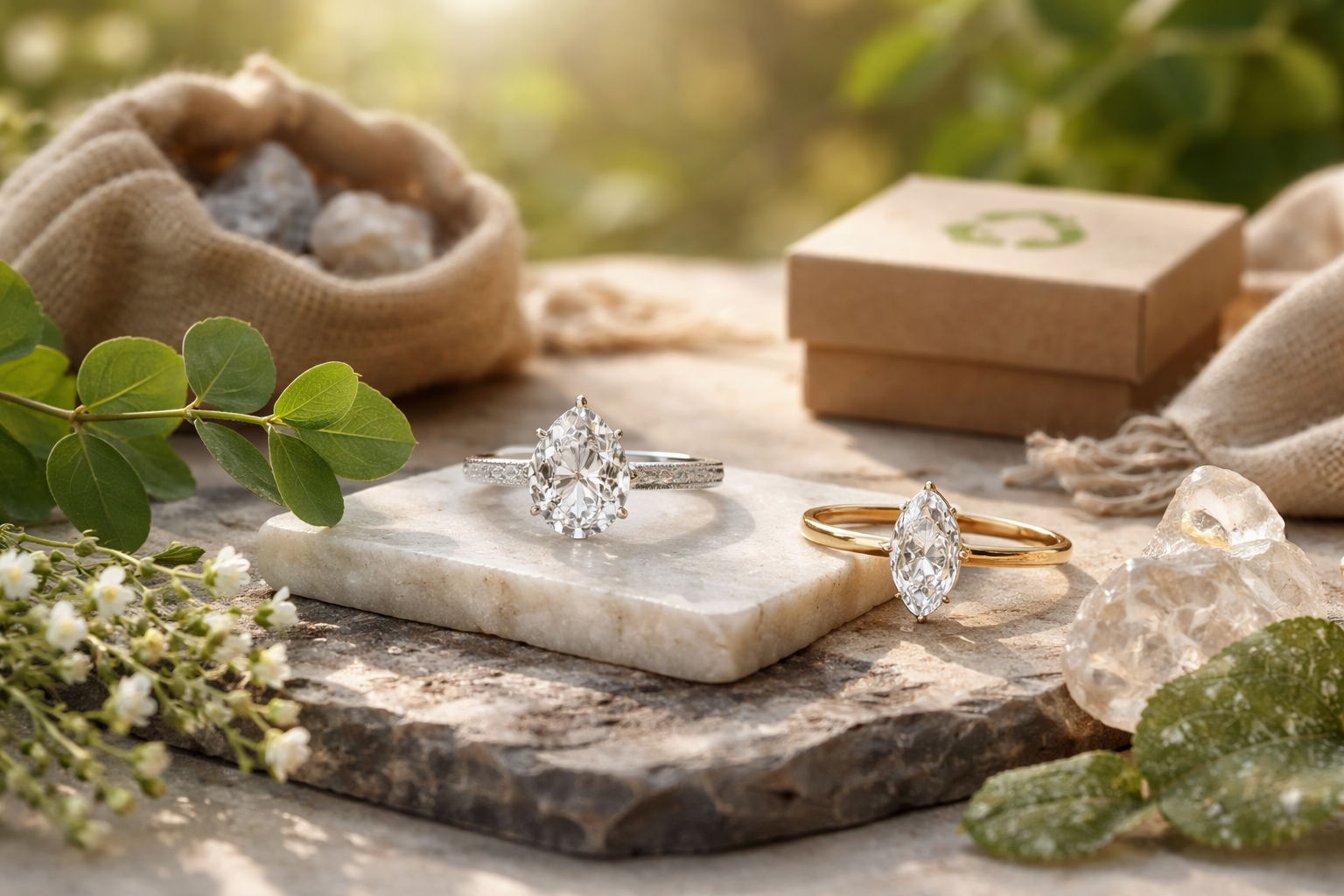
Environmental concerns have also influenced the discussion around modern diamonds. Lab-grown diamonds appeal to some buyers because they are produced in a controlled laboratory environment rather than extracted through traditional mining. However, it is important to avoid treating every laboratory-created diamond as automatically having zero environmental impact. Energy use and production methods still matter.
What has changed is the level of interest consumers show in a product's journey. People increasingly want to know how jewelry is made, where materials come from, and whether the product matches their personal values. This wider interest in responsible purchasing is affecting the jewelry industry well beyond diamonds.
Luxury Is Taking on a New Meaning
Luxury used to be strongly associated with rarity and high prices. Today, the idea can be much broader. Craftsmanship, personal design, quality, transparency, and the story behind a purchase can all influence whether a customer considers a piece luxurious.
That shift gives lab-grown diamonds an interesting position in the market. They allow designers and buyers to explore the visual appeal of diamond jewelry while making different choices about budget and sourcing. Even classic styles such as halo rings for women can therefore become part of a more personalized approach to luxury, where the design matters as much as the traditional idea of rarity.
What Comes Next for the Jewelry Market?
The growth of lab-grown diamonds does not necessarily mean that mined diamonds will disappear. Instead, the market is becoming more segmented, giving consumers clearer choices based on what matters most to them. Some buyers will continue to value the geological history and natural origin of mined diamonds, while others may place greater importance on price, technology, design flexibility, or laboratory origin.
This creates a more competitive and informed jewelry industry. A lab grown solitaire ring may appeal to one customer, while another may select a natural diamond or choose a completely different gemstone. The important change is that buyers now have more room to make those decisions according to their own priorities.
A More Choice-Driven Future
Lab-grown diamonds are changing the jewelry market because they have expanded consumer choice while influencing pricing, technology, retail practices, and ideas about modern luxury. Their impact is not limited to the stones themselves; it can be seen in the way customers research products, compare value, and think about the meaning behind a purchase.
The future of jewelry is therefore likely to be less about following one traditional path and more about informed personal choice. As technology develops and consumers continue asking better questions, the brands that provide clear information, quality craftsmanship, and meaningful options will be best positioned to serve the next generation of jewelry buyers.
Comments
Log in or sign up to join the conversation.