
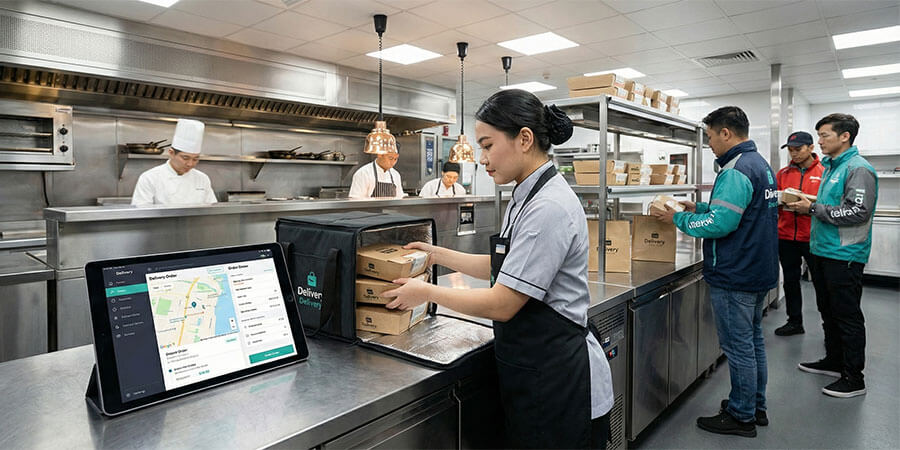
The food industry has experienced a major transformation in recent years, driven by changing consumer habits and the rapid growth of online ordering platforms. One of the biggest developments reshaping the market is the rise of kitchen delivery services. From restaurants and cafes to cloud kitchens and catering businesses, companies are increasingly relying on efficient delivery systems to meet customer expectations and improve operational performance.
Today’s customers value convenience more than ever before. Fast, reliable, and professional delivery solutions have become an essential part of the dining experience. Businesses that invest in streamlined delivery operations are better positioned to remain competitive in an evolving food service landscape.
Modern food entrepreneurs are now using kitchen delivery solutions to optimize logistics, reduce operational delays, and improve customer satisfaction.
The Growing Demand for Kitchen Delivery Services
Consumer behavior has shifted dramatically toward online food ordering and home dining experiences. Busy lifestyles, mobile technology, and digital platforms have all contributed to the increased demand for reliable food delivery services.
Restaurants and food businesses now recognize that delivery operations are no longer optional. Instead, they are a critical revenue stream that directly impacts customer retention and business growth.
Why Customers Prefer Delivery Services
Several factors contribute to the popularity of food delivery services:
Convenience and time savings
Access to a wider variety of food options
Easy mobile ordering systems
Contactless delivery options
Flexible meal scheduling
As customer expectations continue to evolve, businesses must adapt by improving delivery speed, food quality preservation, and service reliability.
How Kitchen Delivery Supports Food Businesses
Efficient delivery systems play a major role in helping food businesses operate successfully in competitive markets.
Expanding Customer Reach
Delivery services allow restaurants and food brands to reach customers beyond their physical location. Businesses can serve larger geographic areas without opening additional storefronts.
Increasing Revenue Opportunities
Online ordering and delivery channels create additional income streams for food businesses. Many restaurants now generate a significant portion of their sales through delivery platforms.
Improving Brand Visibility
A strong delivery presence increases brand exposure and helps businesses attract new customers through online platforms and mobile applications.
Supporting Flexible Business Models
Kitchen delivery systems support various food business models, including:
Cloud kitchens
Virtual restaurants
Meal preparation services
Catering businesses
Specialty food brands
The Rise of Cloud Kitchens and Delivery-First Concepts
The growth of kitchen delivery services has fueled the expansion of cloud kitchens, also known as ghost kitchens. These facilities focus exclusively on preparing food for delivery without traditional dine-in spaces.
Benefits of Cloud Kitchens
Cloud kitchens offer several advantages:
Lower operational costs
Reduced rental expenses
Flexible menu testing
Faster market entry
Scalability for multiple brands
This delivery-focused approach allows businesses to operate more efficiently while responding quickly to customer demand.
Key Elements of an Effective Kitchen Delivery System
Building a successful delivery operation requires careful planning and strong logistical support.
Fast Order Processing
Efficient kitchen workflows help reduce preparation time and ensure orders are completed quickly during busy periods.
Packaging Quality
Proper packaging is essential for maintaining food freshness, temperature, and presentation during transportation.
Reliable Delivery Coordination
Businesses must ensure smooth communication between kitchen staff, delivery drivers, and customers to minimize delays and errors.
Technology Integration
Modern delivery systems often rely on advanced technologies such as:
Real-time tracking
Automated order management
Mobile applications
Customer notifications
Digital payment systems
These technologies improve operational efficiency and enhance the customer experience.
Challenges in Kitchen Delivery Operations
While delivery services offer many benefits, businesses also face several operational challenges.
Maintaining Food Quality
Ensuring that meals arrive fresh and properly presented can be difficult, especially for long-distance deliveries.
Managing Delivery Costs
Fuel prices, driver wages, and packaging expenses can impact profitability if not managed carefully.
Handling Peak Demand
High order volumes during peak hours require strong operational coordination to avoid delays and customer dissatisfaction.
Customer Expectations
Modern customers expect fast delivery times, accurate orders, and responsive customer service. Meeting these expectations consistently is essential for long-term success.
The Role of Technology in Modern Food Delivery
Technology continues to reshape how food businesses manage delivery operations.
Smart Order Management
Digital systems help restaurants organize incoming orders, monitor preparation times, and coordinate dispatching more efficiently.
Real-Time Delivery Tracking
Customers appreciate the ability to track their orders in real time, improving transparency and trust.
Data Analytics and Customer Insights
Delivery platforms provide valuable customer data that businesses can use to improve menu offerings, marketing strategies, and operational efficiency.
Sustainability in Kitchen Delivery Services
Environmental sustainability has become an important focus for many food businesses.
Eco-Friendly Packaging
Many companies are switching to recyclable and biodegradable packaging materials to reduce waste.
Optimized Delivery Routes
Advanced route planning helps minimize fuel consumption and reduce environmental impact.
Reducing Food Waste
Improved inventory management and order forecasting help businesses minimize unnecessary food waste.
Future Trends in Kitchen Delivery
The future of kitchen delivery is expected to become even more technology-driven and customer-focused.
Automation and AI
Artificial intelligence and automation may improve order processing, delivery scheduling, and customer service efficiency.
Drone and Robot Deliveries
Some companies are already exploring autonomous delivery methods to improve speed and reduce operational costs.
Hyper-Personalized Customer Experiences
Future delivery platforms may use customer preferences and data analysis to offer personalized menu recommendations and promotions.
Why Kitchen Delivery Is Essential for Business Growth
Food businesses that invest in professional delivery systems are better prepared to meet changing customer expectations and market trends. Delivery services allow businesses to remain flexible, competitive, and accessible in a fast-moving digital economy.
Whether for restaurants, catering companies, or cloud kitchens, delivery operations have become a key component of long-term business success.
FAQs
What is kitchen delivery in the food industry?
Kitchen delivery refers to the process of preparing and transporting food orders directly from kitchens to customers through delivery systems or online platforms.
Why are kitchen delivery services important for restaurants?
Delivery services help restaurants expand customer reach, increase revenue opportunities, and improve convenience for customers.
How can businesses improve food delivery efficiency?
Businesses can improve efficiency by using smart order management systems, optimizing kitchen workflows, and ensuring reliable delivery coordination.
Conclusion
Kitchen delivery services have become a driving force behind the modern food industry’s evolution. As customer demand for convenience and fast service continues to rise, businesses must adopt efficient delivery strategies to remain competitive. From cloud kitchens and digital ordering systems to smart logistics and sustainable packaging, the delivery ecosystem is transforming how food businesses operate.
Investing in reliable kitchen delivery solutions helps businesses improve customer satisfaction, increase operational efficiency, and unlock new growth opportunities in today’s highly competitive food market.
Comments
Log in or sign up to join the conversation.