
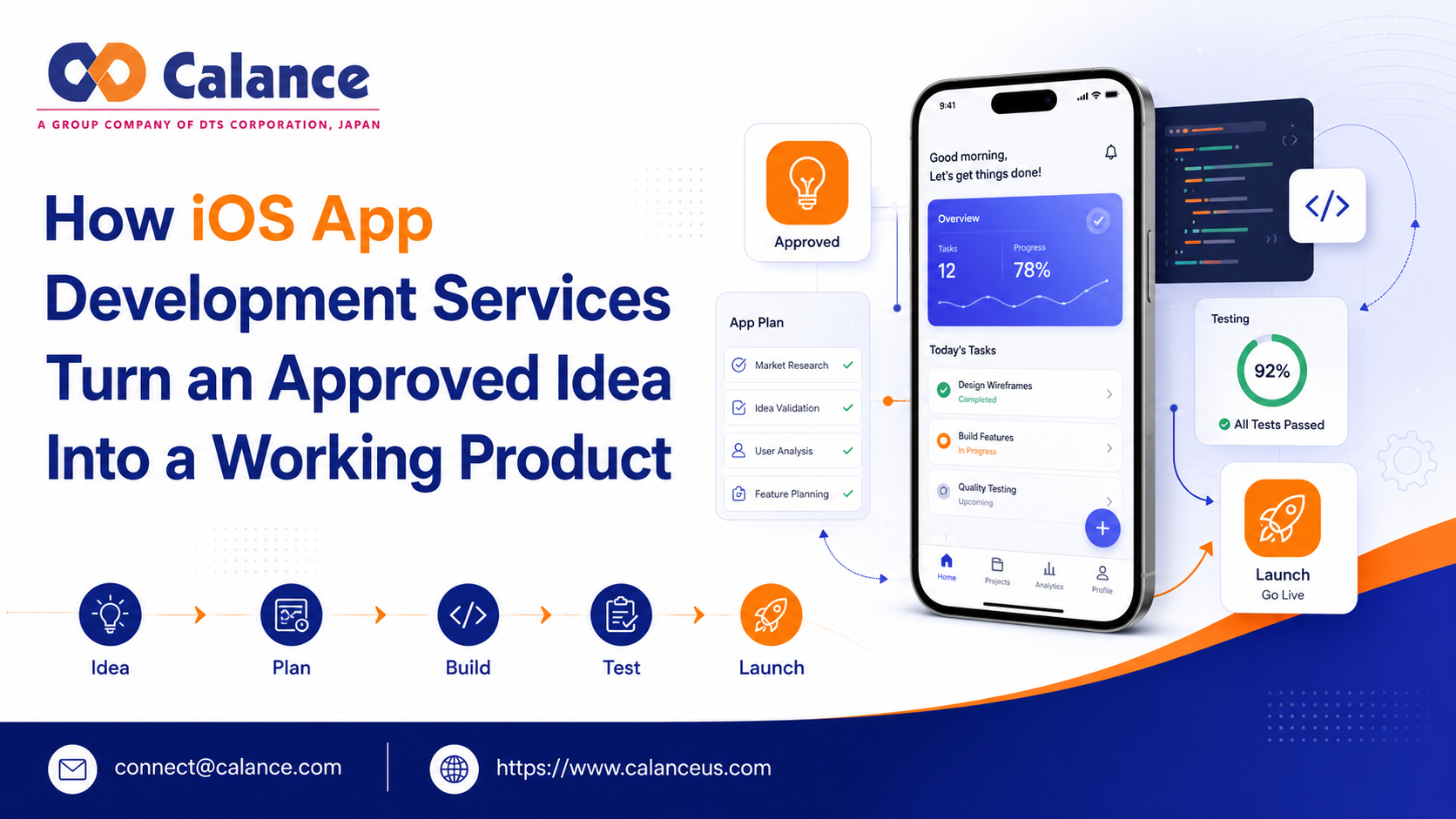
Approval creates a budget, but it doesn't create a working service. In July 2024, GAO's assessment of 21 DOD IT business programs found that 15 had reported cost or schedule changes since January 2022. Thirteen programs reported increases ranging from $0.5 million to $1.3 billion, while 7 reported delays of 15 to 36 months. The sample covers large federal systems, yet its warning is useful for app projects: delivery slips when operating questions stay open after technical work begins.
A release can pass technical checks while staff still lack access, training, support routes, or authority to change a broken process. Successful use requires a plan for ownership and dependencies, followed by rollout, controls, measurement, and correction. Those decisions belong in the delivery plan before the first sprint is committed.
Preparation must define the operating change
Preparation starts with the work the app will change. Teams should record the current task, its failure points, the people affected, and the result that should improve. The UK government's 7 Lenses of Transformation advises teams to define success, secure senior commitment, assess readiness, and use health checks during delivery. Those steps turn approval into a testable operating case rather than a feature request.
The preparation record should also name a baseline, such as task time, error volume, support demand, or another measure tied to the business case. The useful test for App Development Firms is whether they can connect the proposed app to the existing process, data sources, release method, and support model before giving a firm plan. Calance places process fit, integrations, user feedback, monitoring, and ongoing support within the same delivery scope.
Ownership and dependencies set the delivery sequence
One business owner needs authority to settle scope, process, policy, and adoption decisions. Technical leads can explain choices, but they can't decide which operational tradeoff the business will accept. The owner should identify who approves data access, signs off the release, handles support, and can change the underlying workflow.
The same rule applies when buying iOS App Development Services. The plan should expose identity systems, APIs, device rules, data quality, third-party services, App Store accounts, and support coverage. Missing access, test data, and release credentials are predictable. Local judgment is needed when teams disagree about exceptions, role boundaries, or how much process change users can absorb.
Rollout must test the workplace
A pilot should copy the conditions users will face, including real permissions, realistic data, supported devices, weak network conditions, and the actual help route. Apple's TestFlight overview allows up to 100 internal testers and 10,000 external testers, with each build available for up to 90 days. Capacity doesn't guarantee useful coverage, so the pilot group should represent the roles and working conditions most likely to expose a failure.
An iOS App Development Company should treat rollout evidence as part of delivery. Crash reports matter, along with incomplete tasks, repeated workarounds, delayed approvals, and support requests that point to unclear design. The release decision should state which defects block launch, which can wait, and who accepts the remaining risk.
User behavior shows whether the process changed
Training should follow the user's real task rather than the app's menu structure. Staff need to know when to use the app, what information they must enter, what happens next, and where to report a problem. Managers should compare actual behavior with the intended workflow because low use may reflect access trouble, duplicated work, weak trust in the data, or a process that rewards the old method.
Adoption needs an owner with time to act on those findings. A reminder campaign can't fix a missing permission or an approval rule that sends staff back to email. The team should separate knowledge gaps from design defects and policy conflicts because each needs a different response.
Controls and measures must exist before launch
Security and governance belong inside the delivery plan. NIST's Secure Software Development Framework says secure practices should be integrated into each software development life cycle and gives purchasers a shared vocabulary for working with suppliers. For an app project, that means defining access rules, security tests, logging, privacy checks, release approval, and rollback responsibility before production use.
Measurement should compare the new process with the baseline set during preparation. Useful measures may include completion rate, task time, error volume, active use by role, support demand, and service availability. The iPhone App Development Company involved in delivery should define how defects, operating changes, platform updates, and user feedback enter the maintenance queue. Calance describes post-deployment monitoring, updates, enhancements, and production support as continuing work after release.
Correction keeps the release tied to its purpose
Correction starts with a regular review of evidence and unresolved risks. Teams should compare expected gains with actual use, then assign each gap to product, process, training, data, or support ownership. The category matters because a code change won't repair a policy conflict, and more training won't repair a failed integration.
Maintenance needs thresholds for action. Rising task failures, repeated support themes, or a platform change should trigger review before users create permanent workarounds. The operating owner should decide whether to fix, pause, narrow, or retire a feature based on measured effect.
The go-ahead depends on 1 confirmed owner
App delivery works when technical release and operating adoption are managed as one body of work. The plan needs visible ownership from preparation through maintenance, with evidence guiding each correction. Before work begins, confirm 1 accountable operating owner who can make decisions, assign staff, approve process changes, and accept the measured outcome.
Frequently asked questions
What should be approved before iOS development starts?
The business should approve the target workflow, accountable owner, data access, release route, support model, and success measures. Each item needs a named decision-maker and a due date. Open questions can remain, but the plan must show how they affect scope and timing.
Who owns implementation after release?
A business operating owner should remain accountable after release. Product and technical teams can run the backlog and service, while the operating owner judges whether the app is producing the intended result. That owner also resolves conflicts between user needs, policy, and process rules.
How large should an iOS pilot be?
Pilot size should reflect risk and variation rather than a fixed percentage of the workforce. Include the roles, devices, locations, and working conditions that could change the result. A smaller representative group produces better evidence than a large group completing a shallow demo.
Which adoption measures matter most?
The best measures connect use to a completed business task. Track successful completion, time taken, error or rework volume, active use by role, and support demand. Downloads and logins can diagnose reach, but they don't prove that the process improved.
What belongs in the maintenance plan?
The plan should cover defect handling, platform updates, security work, service monitoring, ownership changes, and user feedback. It should define response targets and the route for approving changes. Budget and staff capacity need to match the expected service life because maintenance begins at launch.
For more info Contact Us or send mail : [email protected] to get a quote
Comments
Log in or sign up to join the conversation.