
The Indian private education sector is one of the largest employment generators in the country, and also one of the most operationally inefficient. A significant portion of that inefficiency sits in a single function
outbound calling.
Most coaching centres, private schools, and college admission offices in India run large inbound enquiry volumes during peak seasons. They hire counsellors to call those leads back. They pay those counsellors to sit at desks and dial numbers all day. A sizable portion of those calls go unanswered. A portion of the leads that do answer have already enrolled elsewhere. And the leads who were ready to convert but never got called in time those are the real cost.
AI calling for education is addressing this specific operational problem, and the business case for it is more straightforward than most institute owners initially expect.
The Actual Cost of a Manual Admissions Calling Team
Let us put some numbers to this. A mid-sized coaching centre in an Indian Tier 2 city Indore, Jaipur, Lucknow, Nagpur typically employs 4 to 6 admissions counsellors during peak season. The average salary for this role in these cities runs between ₹15,000 and ₹25,000 per month per person.
A team of five counsellors costs ₹75,000 to ₹1,25,000 per month in salaries alone. Add employer PF contributions, attendance irregularities, training time for new hires, and the management overhead of supervising a calling team, and the real cost climbs higher.
Now look at what that team actually produces. A counsellor making outbound calls can realistically complete 40 to 60 calls per day. Across a team of five, that is 200 to 300 calls per day. Connection rates on cold outbound calls typically run between 30% and 50% meaning the team reaches 60 to 150 actual conversations per day out of the calls made.
During heavy admission seasons, institutes receive 400 to 600 new enquiries per week. A team of five cannot keep up. Leads go stale. Revenue is lost.
What AI Calling Changes in This Equation
An AI voice bot calling the same 400 weekly enquiries operates on a completely different cost and speed profile.
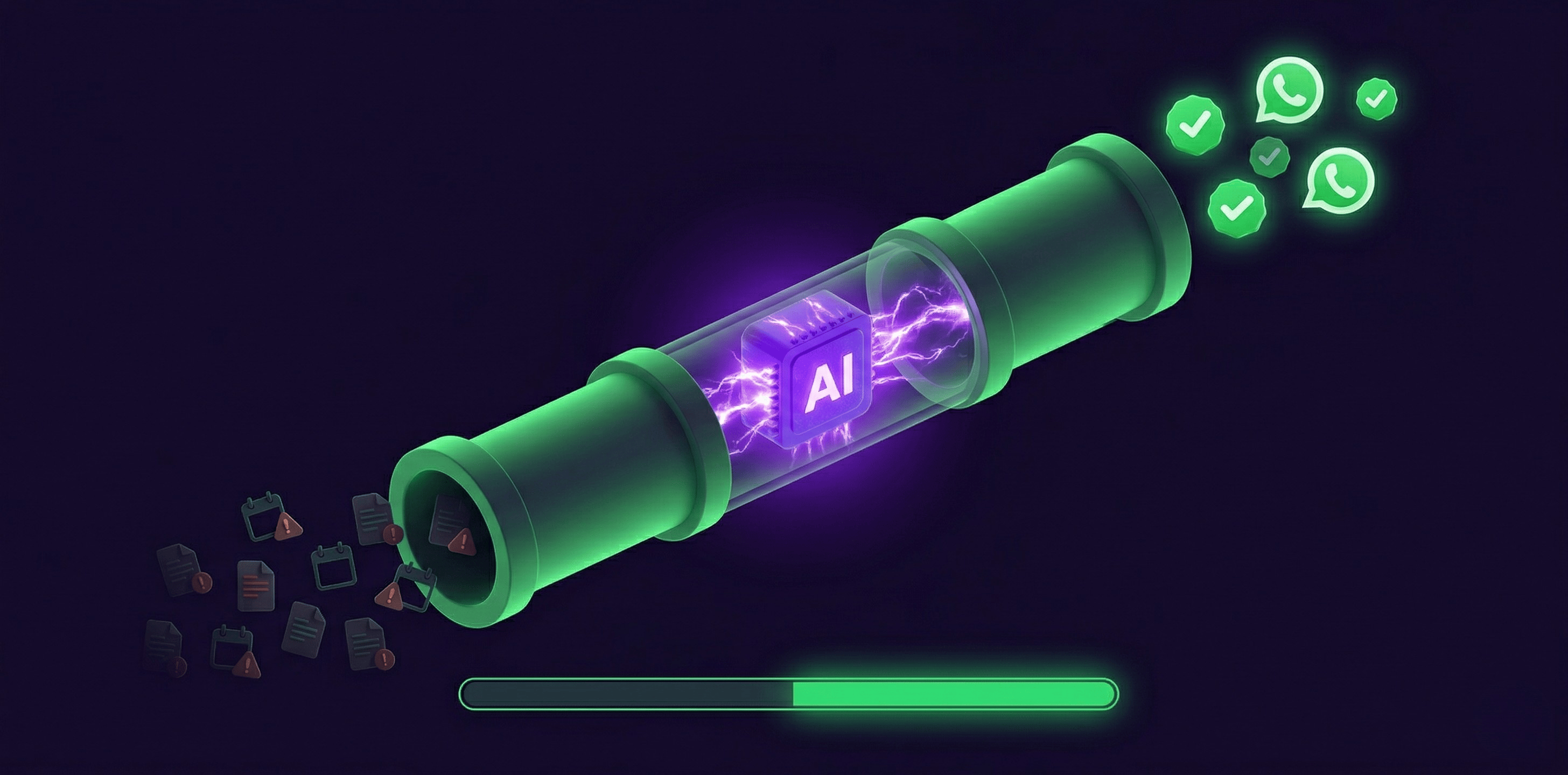
The bot calls every lead within minutes of the enquiry coming in. It does not have shift timings, attendance issues, or motivation problems on a slow Friday afternoon. It runs all calls in parallel not sequentially. Where a human team might take three days to work through a batch of 400 leads, the bot completes the first contact for all 400 within hours of the enquiries arriving.
The cost of the platform — Botsense's AI calling plans for education are available at flat annual rates with no per-minute charges — is a fraction of what five salaries cost over the same period. The exact plan details are at https://botsense.io/ai-calling-software-india/education/.
The human counsellors do not disappear from this model. They move to a different function. Instead of making 60 first-contact calls per day, they handle the warm leads that the bot has already qualified students and parents who have confirmed interest, asked specific questions, and indicated they want to speak to someone. The counsellors become closers rather than dialers. Their time produces more revenue per hour.
The Revenue Side of the Calculation
The cost savings are only part of the picture. The revenue impact of faster follow-up is the larger factor.
Research on lead response time is consistent across industries: the probability of converting a lead drops sharply when the first contact is delayed beyond five minutes. For education institutes running paid digital campaigns, every lead that goes cold before being contacted is money that was spent on advertising with no return.
If a coaching centre spends ₹50,000 per month on ads and generates 500 enquiries, and its conversion rate from enquiry to enrolment is 10%, that is 50 new students per month. At ₹30,000 average annual fees per student, those 50 conversions represent ₹15 lakh in revenue from that campaign.
If the follow-up speed improves and the conversion rate moves from 10% to 13% a modest improvement that faster response time alone can drive that is 65 enrolments instead of 50. That is an additional ₹4.5 lakh in revenue from the same ad spend. The incremental revenue from that improvement far exceeds the annual cost of the AI calling platform.
This is the business case that matters more than the cost saving on salaries alone.
Three Operational Use Cases Beyond Admissions
Admissions follow-up is the most visible use case, but education institutes using Botsense's platform for AI calling are running three different workflows.
Fee collection calls are the second major use case. Every institute carries a portion of students with overdue fees at any given point in the academic year. Calling those families manually consumes significant staff time and creates interpersonal awkwardness. The AI bot runs fee reminder campaigns across the full overdue list in a single batch confirming due amounts, asking for payment commitment dates, and sending payment links on WhatsApp immediately after the call. The bot escalates parents with disputes or special circumstances to the accounts team. The rest are handled without any human involvement.
Dropout prevention calls are the third. When a student misses several consecutive classes, the bot calls the parent automatically. This creates an early warning system for disengagement that most institutes currently do not have. Catching a potential dropout three weeks early is operationally cheaper than processing a refund request or losing the student mid-year.
Batch confirmations and event reminders are lower-volume but regular tasks reminding students about upcoming tests, confirming seminar attendance, alerting parents about result days. These are small administrative tasks that eat into staff time in aggregate. The bot handles them as scheduled campaigns.
Who Is Behind the Platform
Botsense is headquartered in Indore, Madhya Pradesh, and is an official Meta Business Partner. Their AI calling platform for education integrates with their WhatsApp Business API product and LeadSense CRM, which means education institutes can run voice follow-ups and WhatsApp follow-ups from the same system.
The company serves over 500 Indian businesses across categories including real estate, healthcare, and education. Their office is at AIC Prestige, Vijay Nagar, Indore, reachable at +91 9630336433 on WhatsApp, Monday to Saturday between 10 AM and 8 PM.
Setup for a new education client takes 3 to 5 working days. Scripts are written in collaboration with the institute's team, tested, and approved before any live calls go out.
The Bottom Line for Education Business Operators
The financial case for AI calling in Indian education is not complicated. The cost of the platform is lower than the cost of the staff it replaces or supplements. The speed improvement drives measurable conversion rate gains. The operational consistency no missed leads, no slow Mondays, no training cycles removes friction that costs money every admission season.
For institute owners and operators evaluating this, the starting point is a demo call where you hear the bot handle an actual admission enquiry script before making any commitment.
Full details on plans built specifically for education businesses: https://botsense.io/ai-calling-software-india/education/
Comments
Log in or sign up to join the conversation.